

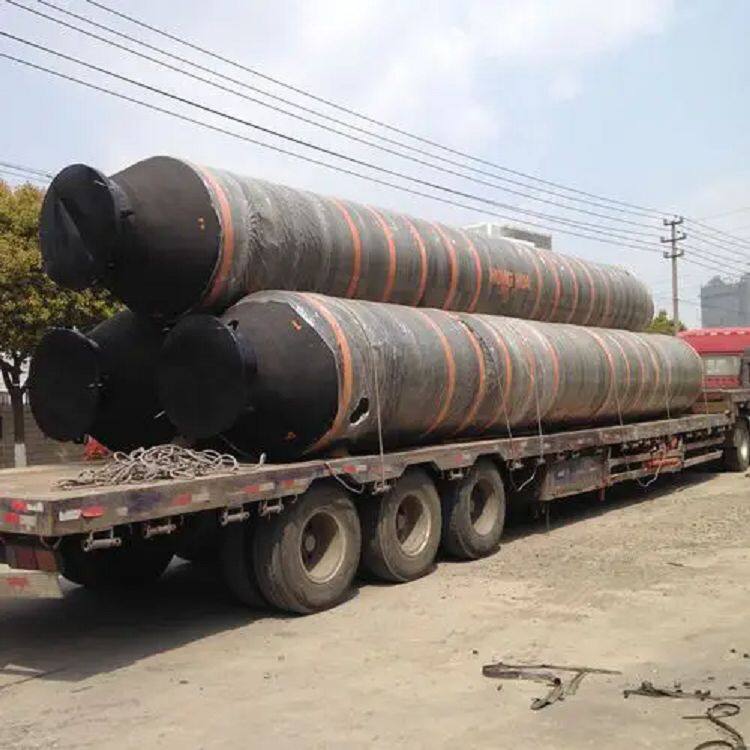
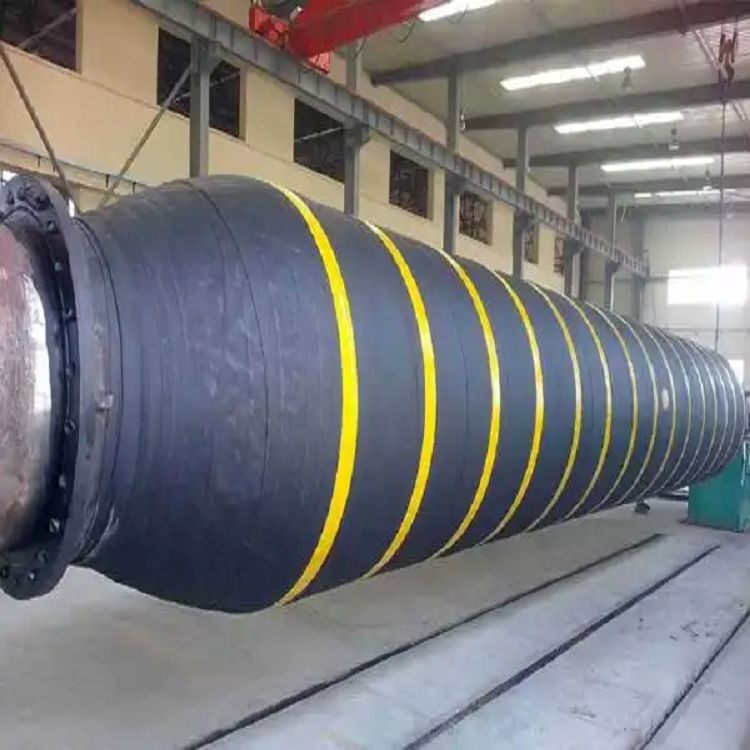
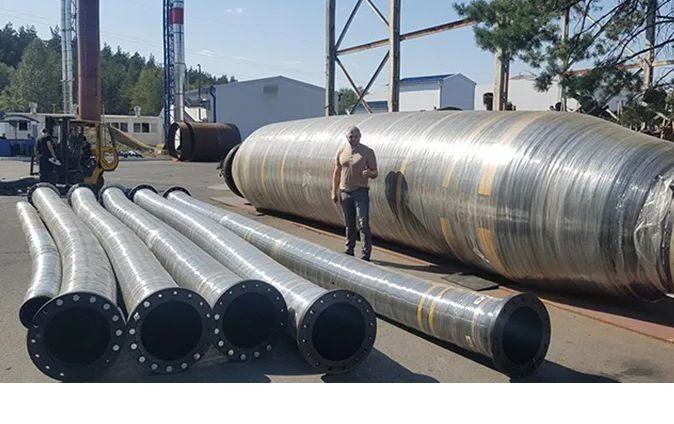
Shandong Xincheng Pipe Co., Ltd. is one of the most reliable manufacturers and suppliers of wear resistant materials self-floating hose in China, also supports customized service. Welcome to buy premium wear resistant materials self-floating hose for sale here from our factory. If you have any enquiry about free sample, please feel free to email us.
Products Description
Self-floating hose is part of dredging pipeline for dredger,usually with the steel pipe or HDPE pipeconnected in one set of pipeline.
Construction
Inner layer: Abrasive resistant synthetic rubber with high strength breaker plies and coated with a high
grade synthetic rubber interior surface.
Reinforcement: High tensile strength fabrics cord.
Cover: Synthetic rubber, resistant to abrasion, weathering, sea water and oil exposure. The cover, which incorporates reinforcing breaker plies is black with a bright orange spiral stripe or coated in tough bright
orange polyurethane.
Internal rubber layer- high-quality NR, SBR, BR
Inner rubber layer thickness: 15-45mm
Floating layer: PE
Reinforcement layer-------strong tire cord and Floating material layer
External rubber layer--SBR and CR blend
Length:usually 5.8m or 11.8m or at customer's request
Self-floating hose features
1. This kind of hose is high pressure resistance and abrasive resistance , and it is with the feature of
flexiable and bent,which is popular in dredging work mining.
2. All kinds of sand suction hose are made in suitable materials due to different purpose.
3. Abrasion resistant, weather resistant,and zone resistant.
4. Some customers said the life can be 3 years.
Application
The floating dredging hose are intended for port and dock discharing of sea water, silt, sand and other dredging application. They are commonly used in part of the construction process of docks and ports.
Advantages
1. Buoyancy: The hose is designed with buoyant elements or foam-filled sections that keep it afloat on the water's surface. This feature allows the hose to stay above water and prevent it from sinking during transfers.
2. Flexibility: Floating oil hoses are highly flexible to accommodate the movements of vessels, waves, and tides, ensuring a reliable and safe connection during oil transfer operations.
3. Reinforcement: These hoses are constructed with high-strength materials such as synthetic rubber, reinforced with layers of high-tensile steel wire or fabric. This reinforcement provides durability and the ability to withstand the high pressures and stresses associated with oil transfer.
4. End Fittings: Floating oil hoses have specialized end fittings that can be connected to loading and unloading points on vessels or offshore terminals. These fittings are designed to maintain a secure and leak-proof connection during the transfer process.
5. Safety: Safety is a paramount concern in the oil and gas industry. Floating oil hoses are designed with features such as leak detection systems and various safety mechanisms to minimize the risk of spills and accidents.
6. Size and Length: The size and length of a floating oil hose can vary depending on the specific application and the volume of oil to be transferred. Hoses used in offshore operations can be quite long to bridge the gap between a floating vessel and an onshore or offshore terminal.


