

Buoy
Our goal is to become your true partner in the field of buoy in China. Zhongtian is a provider of complete and innovative solutions for rotomolding needs. The service and sales team are easy to work with to meet needs of our clients.

Why choose us
Product Application
Our product range includes four series: dredging pipe products, blow molding products, rotational molding molds, and rotational molding products. It is used in various industries, such as the automotive industry, outdoor furniture, toys and children's products, entertainment facilities, public building facilities, medical equipment, various storage and use water tanks and oil tanks, etc.
Production Equipment
Zhongtian has CNC rolling machines with 3 rollers, CNC rolling machines with 4 rollers, CNC bending machines, CNC cutting machines, CNC shearing machines, CNC machining centers and other related tools and facilities. For dredging pipline production, Xincheng has 6 extruding machines, 8 rotational molding machines. For blow molding production, Xincheng has two blow molding machines.
Our Certificates
The certificates we have obtained are: GB/T19001-2016 / ISO9001:2015.
Production Market
Our products enjoy a good reputation among domestic and foreign customers. Our export market has gradually expanded to Europe and the United States.


Advantages of Buoy
Stability of buoy
Our polyethylene buoy are built to guarantee an excellent buoyancy and remain unsinkable.
01
High visibility
Pigments matching specifications are directly integrated into the polyethylene. No painting required.
02
Shock resistance
Our entire range of polyethylene buoy guarantees an excellent resistance to impacts. It is a shape-memory polymer (after a violent shock, our buoy recover their initial shapes).
03
High life expectancy
Buoys will not corrode and our buoy are designed for a long-lasting activity. Lifespan of buoys can be estimated more than years.
04
Costs savings
UV-stabilized polyethylene limits marine growth and enables an easy and fast cleaning “on board”. Large intervals between servicing result in major costs savings.
05
Types of Buoys
Weather information buoys
At the vanguard of this innovation are weather buoys that have been outfitted with a variety of sensors. These cutting-edge buoys gather information on several environmental variables in real-time, including wind speed, wave height, and water temperature.
Lighted buoys
Lighted buoys provide essential navigational aids throughout the night or in low visibility situations. Strong lighting systems on these buoys emit various colours and patterns that aid seafarers in identifying certain channels and risks.
Ice resistant buoys
These specialised buoys offer crucial data on sea ice movement, thickness, and other pertinent information while being built to resist severe conditions.
Mooring buoys
In order to give ships secure anchoring locations, mooring buoys are essential. These buoys, which are frequently found close to marinas, are moored to the seabed and furnished with sturdy chains or ropes that boats may safely attach to.
Portside buoy
A port side buoy indicates where risk will be on the port (left) side of the channel or where it will be on the left side as you pass. It is covered in green paint. There may or may not be a light indicator on top of portside buoys.
Cardinal buoys
Cardinal buoys are used to guide seafarers in the direction of safety when there is a potentially dangerous object in the centre of a large body of water.
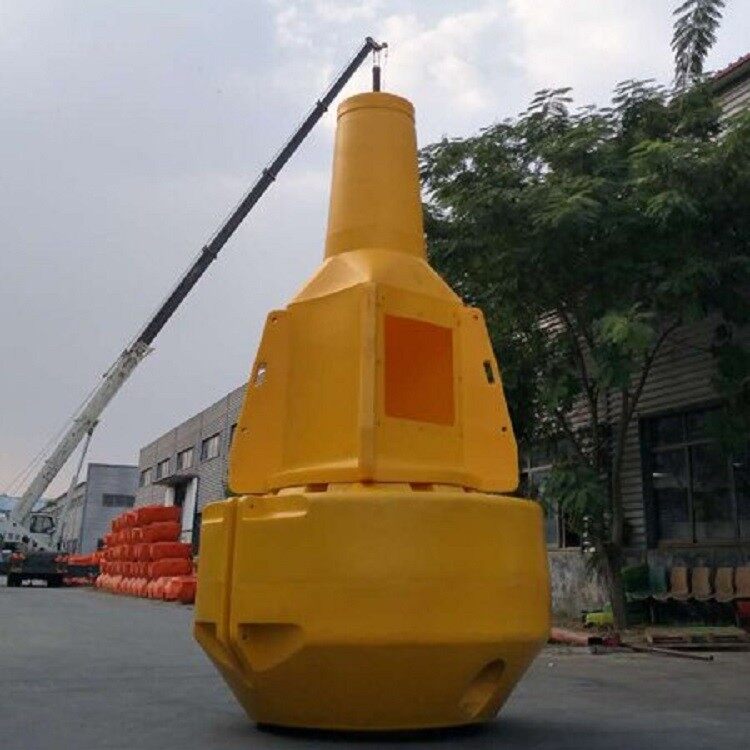
Clear route
In adverse weather conditions such as thunderstorms, dense fog, etc., buoy can provide clear route information to crew members, guide ships to navigate safely, and avoid ships deviating from their course.
Marking obstacles
Navigation marks can indicate marine obstacles such as dangerous areas, shallow waters, and reefs, reminding crew members to pay attention to safety and avoid collisions.
Reminder to ships
The alarm or flashing lights on the buoy can remind ships that are sailing to adjust their course in a timely manner to avoid collisions.
Positioning
In areas such as ocean joint oil supply stations and oil fields that require positioning, buoy can be used to determine the location and facilitate crew navigation.
Notification information
Buoy can also release various maritime meteorological information, navigation warnings, posters, etc., to assist crew members in making navigation decisions.
Buoys are useful in protecting the environment and safely securing boats, but it is essential to consider weather conditions when using them. In instances of wind, rain, waves, and currents, take extra care to maintain control of the vessel while approaching and leaving the mooring buoy.
If strong winds are present, approach the mooring buoy at a slow speed and allow the wind to push the vessel toward it. Be prepared to make frequent steering adjustments to maintain the right path.
Reduced visibility during rain May make it difficult to spot the mooring buoy, so approach slowly and use navigational aids if available. It May also make the deck slippery, so exercise caution when moving around the boat.
In choppy conditions, it's essential to keep the boat's bow pointing into the waves when approaching or leaving the mooring buoy. This will minimize the risk of the vessel's stern being lifted by a wave and pushed off course.
The presence of strong currents can make it challenging to approach the mooring buoy accurately. Consider the direction of the current when planning your approach, and be ready to make steering adjustments as needed. By following these guidelines and keeping a careful eye on the weather conditions, boaters can safely and effectively use buoys for their vessels.
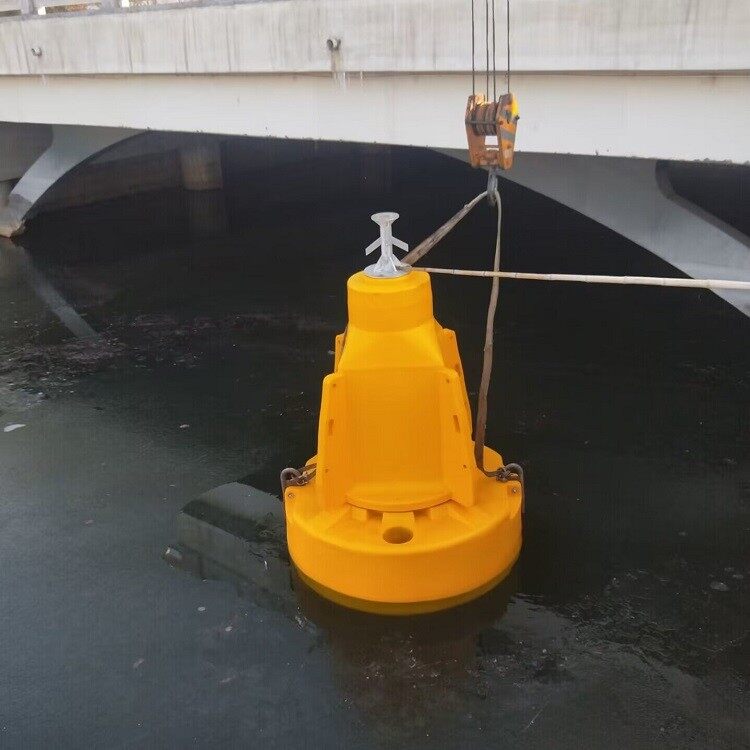
Maintance of Buoy
Regular inspection
Perform routine inspections of your buoys to identify any signs of wear, damage, or deterioration. Check for cracks, leaks, loose fittings, and corrosion.
01
Cleaning and debris removal
Clear away any accumulated marine growth, algae, or debris from the buoy's surface. This will maintain its visibility and prevent excessive weight that could compromise its buoyancy.
02
Chain and hardware maintenance
Inspect the chain, shackles, swivels, and other hardware components connected to the buoy. Look for signs of rust, corrosion, or excessive wear. Lubricate moving parts to ensure smooth operation and reduce friction.
03
Mooring line inspection
Carefully examine the mooring lines for signs of fraying, chafing, or degradation. Replace worn-out or damaged lines to maintain the buoy's stability and prevent unexpected failures.
04
Marker and signage maintenance
Check the visibility of any markers, labels, or signage attached to the buoy. Clear them of any obstructions and ensure they are legible. Replace faded or damaged markers to ensure easy identification by boaters and marine authorities.
05
FAQ
As one of the leading buoy manufacturers and suppliers in China, we warmly welcome you to buy high quality buoy in stock here and get free sample from our factory. Contact us for customized service.
MDPE Empty Pipe Float, Agricultural Chassis, self floating hose