

Can flanged HDPE pipes be used in irrigation systems?
In the realm of modern agriculture, the choice of pipes for irrigation systems is crucial. Among the various options available, flanged High - Density Polyethylene (HDPE) pipes have emerged as a potential candidate. As a supplier of flanged HDPE pipes, I am often asked whether these pipes are suitable for irrigation systems. In this blog, I will delve into the characteristics of flanged HDPE pipes and explore their viability for use in irrigation.
Characteristics of Flanged HDPE Pipes
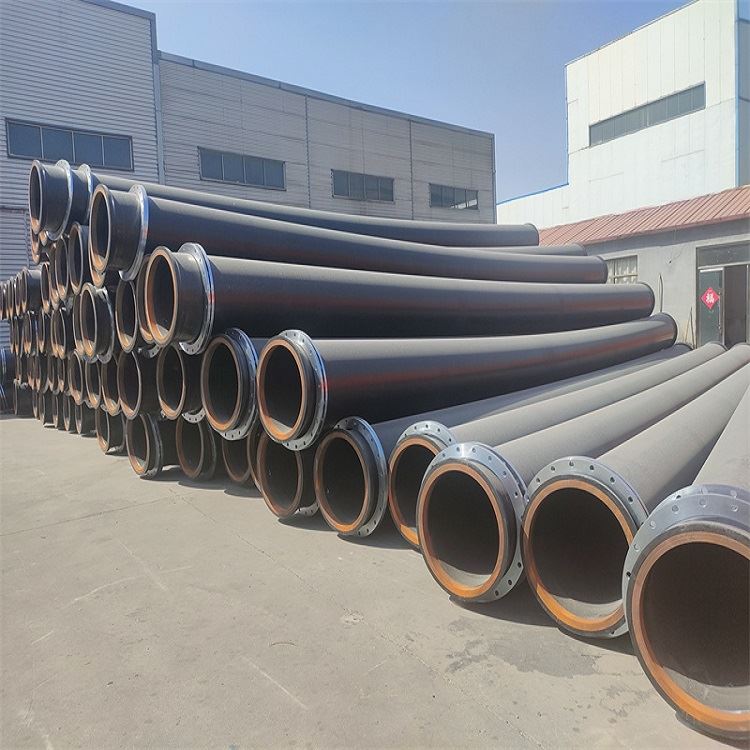
Flanged HDPE pipes combine the well - known benefits of HDPE material with the convenience of flanged connections. HDPE is a thermoplastic polymer with high strength - to - density ratio. It offers excellent corrosion resistance, which is a significant advantage in agricultural settings where the soil may contain various chemicals and minerals that can corrode metal pipes over time.
The flanged connections on these pipes simplify the installation process. Unlike traditional welding methods used for some pipes, flanged connections can be easily assembled and disassembled. This feature makes maintenance and system modification more straightforward. For example, if a section of the pipe needs to be replaced due to damage or a change in the irrigation layout, the flanged connection allows for quick removal and replacement without the need for specialized welding equipment.
We offer a variety of flanged HDPE pipes, such as Flanged Dredging HDPE Pipe, NO Welding HDPE Pipe with Both End Flange, and HDPE Pipe with Flange Both Ends. These products are designed to meet different requirements in various applications, including irrigation.
Advantages of Using Flanged HDPE Pipes in Irrigation Systems
- Durability and Longevity
HDPE pipes are known for their long service life. They can withstand harsh environmental conditions, including extreme temperatures, UV radiation, and soil movement. In an irrigation system, which may be exposed to the elements year - round, this durability is essential. Flanged HDPE pipes can resist cracking and leakage over time, reducing the need for frequent replacements. This not only saves on material costs but also minimizes the disruption to the irrigation process. - Chemical Resistance
Irrigation water may contain fertilizers, pesticides, and other chemicals. HDPE pipes are highly resistant to these substances, ensuring that the pipes do not degrade or contaminate the water supply. This chemical resistance is crucial for maintaining the quality of the irrigation water and protecting the crops from potential harm. - Flexibility
HDPE pipes have a certain degree of flexibility, which allows them to adapt to the natural contours of the land. In an irrigation system, this flexibility can be used to follow the terrain without the need for extensive excavation or the use of numerous fittings. This can significantly reduce the installation time and cost. Additionally, the flexibility helps the pipes to withstand ground movement caused by factors such as freezing and thawing, preventing damage to the system. - Cost - Effectiveness
In the long run, flanged HDPE pipes can be a cost - effective solution for irrigation systems. The initial cost of HDPE pipes may be comparable to or slightly lower than some other pipe materials. However, when considering the long service life, low maintenance requirements, and ease of installation, the overall cost of ownership is often lower. The flanged connections also reduce the labor cost associated with installation, as they do not require specialized welding skills.
Challenges and Considerations
- Pressure Rating
When using flanged HDPE pipes in an irrigation system, it is important to consider the pressure requirements. Different irrigation systems may operate at different pressures, depending on factors such as the type of irrigation (e.g., sprinkler, drip), the elevation of the land, and the distance of water distribution. HDPE pipes have specific pressure ratings, and it is necessary to select pipes with a pressure rating that can handle the maximum pressure in the system. If the pressure exceeds the pipe's rating, it can lead to pipe failure, such as bursting or leakage. - Sunlight Exposure
Although HDPE pipes have some resistance to UV radiation, prolonged exposure to direct sunlight can cause some degradation over time. In an open - field irrigation system, the pipes may be exposed to sunlight for extended periods. To mitigate this issue, it is recommended to use HDPE pipes with UV stabilizers or to bury the pipes underground. Burying the pipes also helps to protect them from physical damage and reduces heat loss in cold weather. - Compatibility with Other Components
An irrigation system consists of various components, such as pumps, valves, and sprinklers. It is essential to ensure that the flanged HDPE pipes are compatible with these components. The flange sizes and connection types need to match the requirements of the other parts of the system. In some cases, adapters may be required to ensure a proper fit.
Installation and Maintenance
Proper installation is crucial for the successful operation of flanged HDPE pipes in an irrigation system. During installation, it is important to ensure that the flanges are properly aligned and tightened. Over - tightening or under - tightening the flange bolts can lead to leakage or uneven stress distribution on the pipes.

Regular maintenance of the irrigation system is also necessary. This includes checking for leaks, inspecting the flanges for any signs of damage or wear, and ensuring that the pipes are not blocked. If any issues are detected, they should be addressed promptly to prevent further damage to the system.
Conclusion
Flanged HDPE pipes offer several advantages for use in irrigation systems, including durability, chemical resistance, flexibility, and cost - effectiveness. However, it is important to consider the pressure requirements, sunlight exposure, and compatibility with other components. With proper selection, installation, and maintenance, flanged HDPE pipes can be a reliable and efficient solution for agricultural irrigation.
If you are considering using flanged HDPE pipes for your irrigation system, I encourage you to contact us for more information. Our team of experts can provide you with detailed product specifications, help you select the right pipes for your specific needs, and offer guidance on installation and maintenance. We are committed to providing high - quality flanged HDPE pipes and excellent customer service.
References
- Thompson, J. R., & Lewis, D. (2018). "Plastic Pipes in Water Supply and Sewerage Systems." Elsevier.
- ASPE. (2019). "Plumbing Engineering Design Handbook." American Society of Plumbing Engineers.