

Can rotomoulded products be used in the agricultural industry? That's a question I get asked a lot as a supplier of rotomoulded products. And the answer is a resounding yes! In this blog, I'll share some insights on how rotomoulded products can revolutionize the agricultural sector.

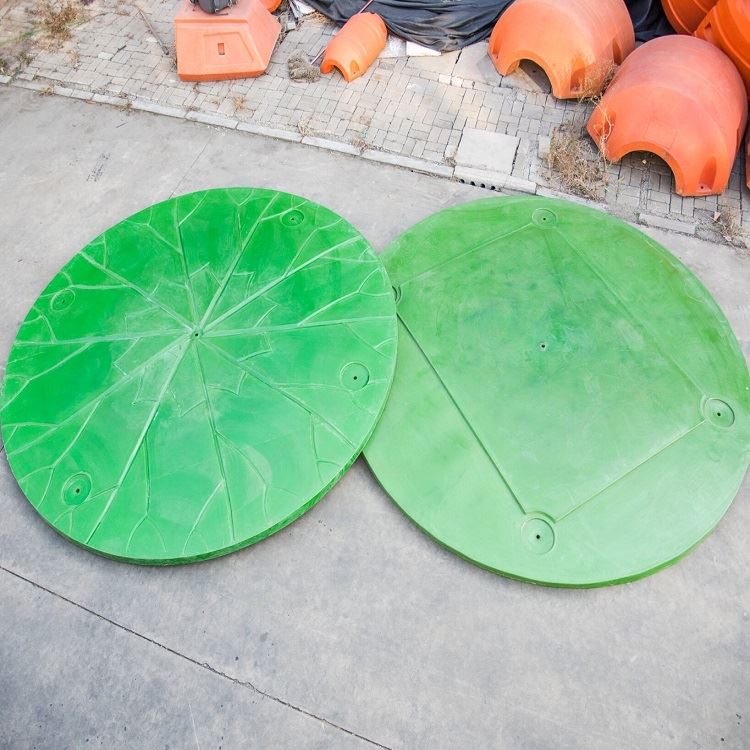
First off, let's talk about what rotomoulding is. Rotomoulding, or rotational moulding, is a manufacturing process that involves heating a hollow mold filled with plastic resin. The mold is then rotated slowly in multiple axes, causing the melted plastic to coat the interior of the mold evenly. Once cooled, the finished product is removed from the mold. This process allows for the creation of complex, seamless, and durable plastic products.
One of the key advantages of rotomoulded products in agriculture is their durability. Agricultural environments can be tough, with exposure to harsh weather conditions, chemicals, and rough handling. Rotomoulded products are made from high - density polyethylene (HDPE) or other tough plastics, which are resistant to corrosion, UV rays, and impact. This means they can withstand the rigors of daily use on the farm and have a long service life.
Let's take a look at some specific rotomoulded products that are well - suited for the agricultural industry.
Digestion Tanks
Digestion tanks are crucial for anaerobic digestion systems on farms. These systems break down organic matter such as manure, crop residues, and food waste to produce biogas, which can be used as a renewable energy source. Digestion Tank made through rotomoulding offer several benefits. They are seamless, which reduces the risk of leaks and contamination. The smooth interior surface of rotomoulded digestion tanks also makes them easy to clean and maintain. Additionally, the material used in rotomoulding is resistant to the corrosive nature of the substances inside the tank, ensuring a long - lasting and reliable solution for biogas production.
Traffic Safety Barriers
On large farms, there are often areas where traffic safety needs to be managed. Whether it's around machinery storage areas, livestock pens, or along farm roads, Traffic Safety Barrier can play an important role. Rotomoulded traffic safety barriers are lightweight yet strong. They can be easily installed and moved around as needed. Their bright colors make them highly visible, reducing the risk of accidents. And because they are made from tough plastic, they can withstand being hit by vehicles or equipment without significant damage.
Agricultural Chassis
The Agricultural Chassis is an essential part of many farm vehicles and equipment. Rotomoulded agricultural chassis offer a high level of design flexibility. They can be customized to fit the specific requirements of different types of machinery. The process of rotomoulding allows for the integration of complex shapes and features, such as mounting points for engines, axles, and other components. Moreover, the lightweight nature of rotomoulded chassis can improve the fuel efficiency of farm vehicles, which is a big plus considering the high cost of fuel in the agricultural industry.
Another advantage of rotomoulded products is their cost - effectiveness. The initial investment in rotomoulding equipment may be relatively high, but the cost per unit for large - scale production is quite low. This means that farmers can get high - quality products at a reasonable price. Also, the long service life of rotomoulded products reduces the need for frequent replacements, saving money in the long run.
In addition to the products mentioned above, there are many other rotomoulded items that can be used in agriculture. For example, water storage tanks are essential for irrigation systems. Rotomoulded water tanks can be made in various sizes and shapes to fit different farm layouts. They are leak - proof and can store large volumes of water safely.
Livestock feeders and waterers are also commonly made using rotomoulding. These products are designed to be easy to clean and refill, and they can be customized to meet the specific needs of different types of livestock. The smooth surface of rotomoulded feeders and waterers prevents the growth of bacteria and mold, ensuring the health of the animals.
When it comes to environmental friendliness, rotomoulded products are a great choice. As mentioned earlier, the use of digestion tanks for biogas production helps reduce greenhouse gas emissions by capturing methane from organic waste. And at the end of their life cycle, many rotomoulded products can be recycled, further reducing their environmental impact.
However, like any product, there are some considerations when using rotomoulded products in agriculture. One is the need for proper installation. While rotomoulded products are generally easy to install, following the manufacturer's instructions is crucial to ensure their optimal performance. Another consideration is the need for regular maintenance. Although rotomoulded products are durable, routine checks and cleaning can help extend their lifespan.
In conclusion, rotomoulded products have a lot to offer the agricultural industry. Their durability, cost - effectiveness, design flexibility, and environmental friendliness make them a great choice for farmers. Whether you're looking for a reliable digestion tank, a sturdy traffic safety barrier, or a customized agricultural chassis, rotomoulded products can meet your needs.
If you're interested in exploring how rotomoulded products can benefit your farm, I'd love to have a chat with you. We can discuss your specific requirements and find the best solutions for your agricultural operations. Contact me to start the conversation and let's work together to take your farm to the next level.
References
- "Rotational Moulding Technology" - A textbook on the principles and applications of rotomoulding.
- "Agricultural Engineering Handbook" - A comprehensive guide to various aspects of agricultural engineering, including the use of plastic products in farming.