

Hey there! As a marker buoy supplier, I often get asked about how to adjust the height of a marker buoy. It's a crucial aspect, especially when you want to ensure that the buoy serves its purpose effectively, whether it's marking a safe passage in the water, indicating a hazard, or delineating a specific area. In this blog, I'll walk you through the ins and outs of adjusting marker buoy height.
First off, let's understand why adjusting the height of a marker buoy matters. A buoy that's too low might not be visible enough, especially in rough waters or when there's a lot of debris floating around. On the other hand, a buoy that's too high can be unstable and might get damaged easily by strong winds or waves. So, getting the height just right is essential for both visibility and durability.
Now, different types of marker buoys have different ways of height adjustment. Let's start with the PE Shell Marker Buoy. These buoys are made of polyethylene shell, which is quite durable and resistant to harsh marine environments. To adjust the height of a PE shell marker buoy, you usually need to look at the mooring system.
The mooring system is what keeps the buoy in place and also determines its height above the water. Most PE shell marker buoys come with a chain or rope attached to an anchor at the bottom. By adjusting the length of the chain or rope, you can control the height of the buoy. If you want to raise the buoy, you simply shorten the chain or rope. Conversely, if you need to lower it, you lengthen it.
It's important to note that when adjusting the chain or rope, you should do it carefully. Make sure the connections are secure so that the buoy doesn't come loose. You can use shackles or other appropriate fasteners to ensure a tight connection. Also, consider the water depth and the expected wave conditions. In deeper waters or areas with strong waves, you might need to have a longer chain or rope to allow for more movement without the buoy getting damaged.
Next up, we have the Pu Foamed Marker Buoys. These buoys are filled with polyurethane foam, which provides excellent buoyancy. Adjusting the height of a Pu foamed marker buoy is similar to the PE shell marker buoy in terms of the mooring system. However, because of the foam filling, these buoys are generally more buoyant and might require a bit more attention when adjusting the height.
The foam inside the buoy can affect its stability, especially if the height is not adjusted properly. When you're shortening or lengthening the mooring chain or rope, make sure to check the balance of the buoy. You don't want it to tilt to one side, as this can reduce its visibility and effectiveness. It's a good idea to test the buoy in the water after making any height adjustments to ensure that it sits level and is visible from all angles.
Another type of marker buoy is the Marker Buoys with Both End Eyes. These buoys have eyes at both ends, which can be used for different mooring configurations. Adjusting the height of these buoys can be a bit more flexible because of the additional attachment points.
You can use the end eyes to connect the buoy to different types of mooring systems, such as a double-chain system or a combination of chain and rope. This allows you to fine - tune the height of the buoy according to your specific needs. For example, if you want to have a more stable height in a particular area, you can use a double - chain system attached to the end eyes. This can provide better control over the buoy's position and height compared to a single - chain system.
When adjusting the height of marker buoys, you also need to consider the visibility requirements. In some areas, there might be regulations regarding the minimum height of buoys for safety reasons. Make sure you're aware of these regulations and adjust the height accordingly. You can also use reflective materials or lights on the buoys to increase their visibility, especially at night or in low - light conditions.
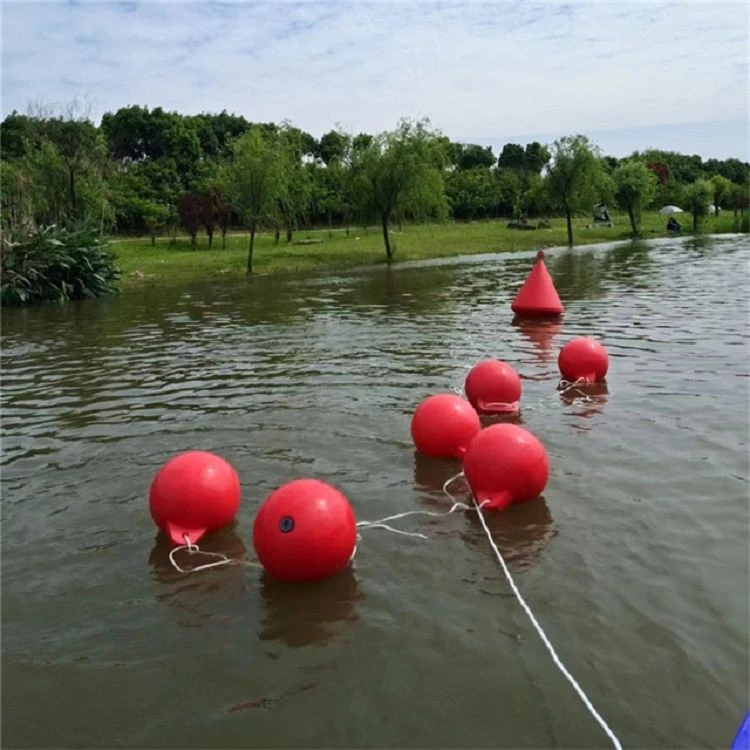
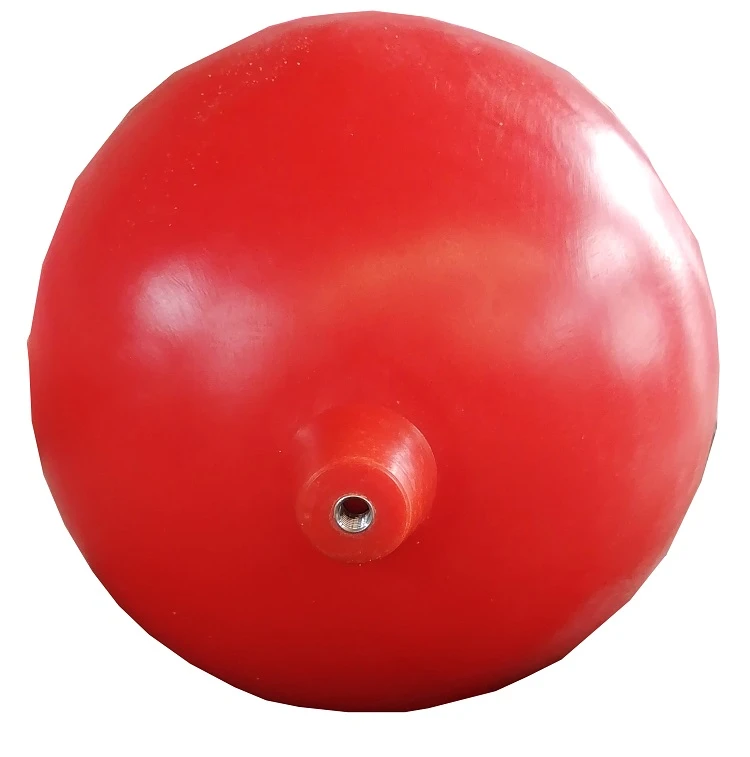
In addition to the mooring system, the weight of the buoy itself can also affect its height. If you find that the buoy is sitting too low or too high, you might need to add or remove some weight. For example, you can add small weights to the bottom of the buoy to lower it, or remove some internal components (if possible) to raise it. However, be careful when making these adjustments as it can affect the buoy's balance and stability.
It's also a good practice to regularly inspect the marker buoys. Check the mooring system for any signs of wear and tear, such as rust on the chains or fraying of the ropes. Replace any damaged parts immediately to ensure the buoy's safety and proper height adjustment.
In conclusion, adjusting the height of a marker buoy is a combination of understanding the buoy type, the mooring system, and the environmental conditions. By following the steps I've outlined above, you can ensure that your marker buoys are at the optimal height for maximum visibility and functionality.
If you're in the market for high - quality marker buoys or need more advice on buoy height adjustment, feel free to reach out. We're here to help you with all your marker buoy needs. Whether you're a marina owner, a shipping company, or an individual looking to mark a private area, we have the right solutions for you. Contact us for more information and let's start a great partnership!
References:
- Marine Safety Manuals
- Buoy Manufacturer's Guides