

Hey there! I'm a supplier of marker buoys, and today I wanna chat about how you can tell if a marker buoy needs to be replaced. It's an important thing to figure out, whether you're using them for marine navigation, fishing, or any other water - related activities.
Physical Damage
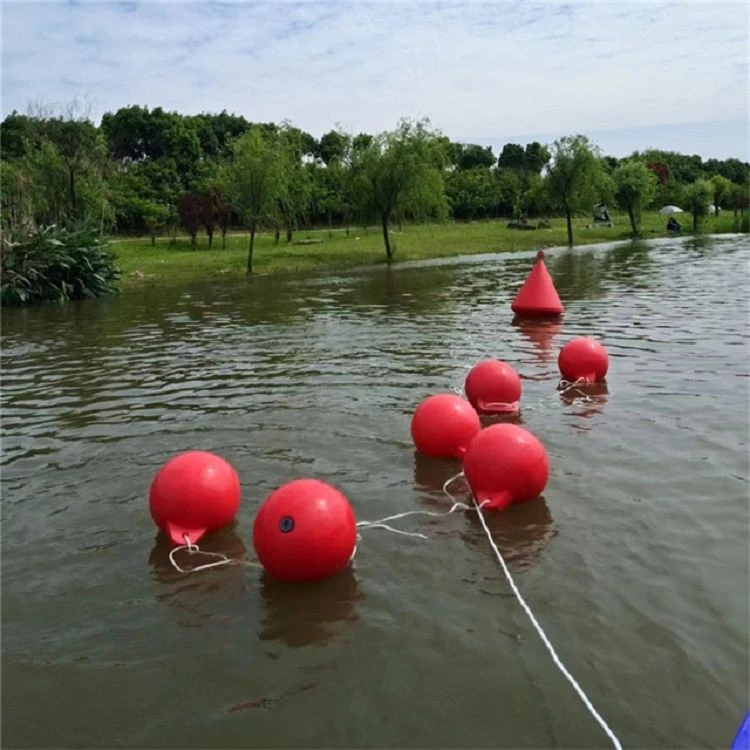
The first and most obvious sign is physical damage. Take a good look at the buoy. If you see cracks on the surface, it's a big red flag. Cracks can start small, but over time, they'll get worse. Water can seep into these cracks, which will make the buoy heavier. And when a buoy gets heavier, it might not float properly. For example, a crack on the side of a Pu Foamed Marker Buoys can gradually let water in, affecting its buoyancy.
Dents are another issue. A big dent can change the shape of the buoy. This can mess with its stability in the water. If a buoy is constantly tilting or leaning to one side because of a dent, it's not doing its job effectively. You might also notice that the paint on the buoy is chipping or peeling. This isn't just a cosmetic problem. The paint on marker buoys often serves a purpose, like making them more visible. When the paint starts to go, the buoy becomes harder to spot from a distance.
Wear and Tear
Over time, normal wear and tear can take a toll on marker buoys. The material of the buoy will start to break down. For instance, if it's a plastic buoy, exposure to sunlight, water, and chemicals in the water can cause the plastic to become brittle. You'll notice that it's more prone to cracking and breaking.
The attachment points of the buoy are also areas to watch. If the buoy has ropes, chains, or other connections, check how they're holding up. If the ropes are frayed or the chains are rusted, it's a sign that the buoy might not be securely attached. This can lead to the buoy drifting away or getting lost. A Marine Marker Buoys that isn't properly attached is useless for marking a specific location.
Functionality Issues
One of the main functions of a marker buoy is to be visible. If the buoy is no longer visible from a reasonable distance, it needs to be replaced. This could be due to a number of reasons. Maybe the color of the buoy has faded so much that it blends in with the water. Or, if it's a lighted buoy, the light might not be working properly.
Some marker buoys are used to mark underwater hazards. If the buoy has shifted from its original position, it's not accurately marking the hazard anymore. This can be dangerous for boats and other watercraft. You can use GPS or other positioning systems to check if the buoy is in the right place. If it's off by a significant amount, it's time to consider a replacement.
Environmental Factors
The environment where the buoy is located can also give you clues about its condition. If the buoy is in an area with a lot of strong currents or waves, it's going to experience more stress. These conditions can cause more rapid wear and tear. For example, a buoy in a busy shipping lane is likely to get bumped into by boats more often. This can lead to more physical damage.
On the other hand, if the buoy is in a salt - water environment, the salt can corrode the metal parts of the buoy. Rust can spread quickly and weaken the structure. Even in freshwater, there can be contaminants that can damage the buoy over time.
Buoyancy Problems
Checking the buoyancy of the marker buoy is crucial. If a buoy is starting to sink or is not floating at the right level, it's a clear indication that something is wrong. You can do a simple test by observing how the buoy sits in the water. If it's lower in the water than it used to be, it might be taking on water or the foam inside (if it has foam) might be breaking down.
A buoy that's supposed to be floating upright but is now listing to one side could also have a buoyancy issue. This could be due to an internal problem, like a leak in one part of the buoy. Marker Buoys with Both End Eyes are often used in specific applications, and any buoyancy problems can really affect their performance.
Age of the Buoy
The age of the buoy is also a factor. Even if a buoy looks okay on the outside, it might be nearing the end of its useful life. Different types of marker buoys have different lifespans. A high - quality buoy made from durable materials might last longer than a cheaper, lower - quality one. As a general rule, if a buoy has been in use for a long time, say 5 - 10 years or more, it's a good idea to start thinking about a replacement.
How to Make the Decision
So, how do you decide when it's time to replace a marker buoy? You need to consider all these factors together. If a buoy has just one small crack but is otherwise in good shape, you might be able to repair it instead of replacing it. But if it has multiple issues, like physical damage, functionality problems, and buoyancy issues, it's probably time for a new one.
It's also important to think about the cost - benefit. Sometimes, repairing a buoy can be almost as expensive as buying a new one. And a new buoy will likely come with a warranty and better performance.
If you're not sure whether a buoy needs to be replaced, it's a good idea to consult with an expert. They can give you a more accurate assessment based on their experience.

Contact for Procurement
If you've determined that you need to replace your marker buoys, I'm here to help. As a supplier, I can offer you a wide range of high - quality marker buoys. Whether you need Pu Foamed Marker Buoys, Marine Marker Buoys, or Marker Buoys with Both End Eyes, I've got you covered. Reach out to discuss your requirements, and we can work together to find the best solution for your needs.
References
- "Marine Navigation Aids Handbook"
- "Guide to Buoy Maintenance and Inspection"
- Industry reports on marker buoy durability and performance