

As a seasoned supplier of marker buoys, I've had the privilege of witnessing firsthand the remarkable functionality and diverse applications of these essential marine devices. In this blog post, I'll delve into the inner workings of marker buoys, exploring their design, operation, and the critical role they play in various maritime activities.
Design and Construction
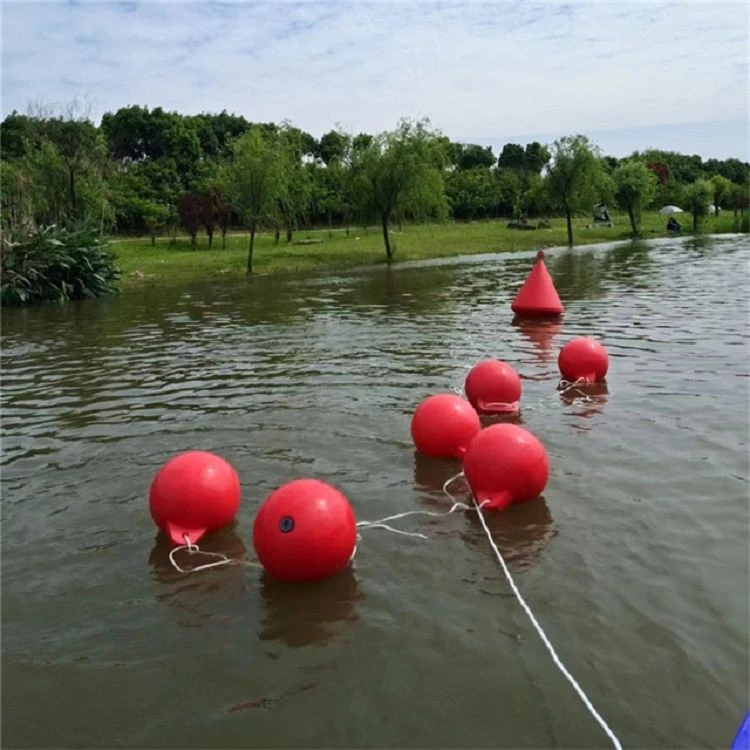
Marker buoys come in a wide range of shapes, sizes, and materials, each tailored to specific applications and environmental conditions. At their core, however, they share a common design philosophy: to provide a highly visible and stable reference point on the water's surface.
The buoyant body of a marker buoy is typically constructed from materials such as high-density polyethylene (HDPE), fiberglass, or steel, chosen for their durability, resistance to corrosion, and ability to withstand the harsh marine environment. The shape of the buoy is carefully engineered to ensure maximum stability and visibility, with common designs including cylindrical, spherical, and conical shapes.
In addition to the buoyant body, marker buoys are equipped with a variety of components to enhance their functionality. These may include reflective materials, lights, radar reflectors, and acoustic beacons, all of which serve to increase the buoy's visibility and detectability, especially in low-light or adverse weather conditions.
How Marker Buoys Work
The primary function of a marker buoy is to mark a specific location on the water's surface, providing a visual or electronic reference point for mariners, fishermen, and other users of the waterways. This can be achieved through a variety of means, depending on the type of buoy and its intended application.
One of the most common ways marker buoys work is by floating on the water's surface, held in place by an anchor or mooring system. The buoy's position is determined by the length and weight of the anchor line, as well as the depth and current of the water. Once in place, the buoy remains stationary, providing a fixed reference point that can be easily identified by mariners using visual or electronic navigation aids.
In addition to floating marker buoys, there are also a variety of submersible and semi-submersible marker buoys available. These buoys are designed to operate below the water's surface, providing a more discreet and stable reference point for applications such as underwater surveys, scientific research, and military operations.

Types of Marker Buoys
There are many different types of marker buoys available, each designed for a specific purpose and application. Some of the most common types of marker buoys include:
- Navigation Buoys: These buoys are used to mark the boundaries of shipping lanes, channels, and other navigable waterways. They are typically equipped with lights, reflective materials, and other visual aids to ensure maximum visibility, especially at night or in low-light conditions.
- Mooring Buoys: These buoys are used to provide a secure and stable mooring point for boats and other vessels. They are typically anchored to the seabed and equipped with a strong mooring line or chain, which is used to attach the vessel to the buoy.
- Fishing Buoys: These buoys are used to mark the location of fishing nets, traps, and other fishing gear. They are typically equipped with a flag or other visual marker to make them easily visible from a distance.
- Research Buoys: These buoys are used to collect data on a variety of environmental parameters, such as temperature, salinity, and water quality. They are typically equipped with sensors and other monitoring equipment, which transmit data back to a shore-based station or research vessel.
Applications of Marker Buoys
Marker buoys have a wide range of applications in the maritime industry, including:
- Navigation: Marker buoys are essential for safe navigation in the world's waterways. They help mariners to identify the location of shipping lanes, channels, and other navigable waterways, as well as to avoid hazards such as rocks, shoals, and other obstacles.
- Fishing: Marker buoys are used by fishermen to mark the location of fishing nets, traps, and other fishing gear. They help fishermen to locate their gear quickly and easily, as well as to avoid losing it in the water.
- Marine Research: Marker buoys are used by scientists and researchers to collect data on a variety of environmental parameters, such as temperature, salinity, and water quality. They help researchers to monitor changes in the marine environment over time, as well as to study the behavior and distribution of marine organisms.
- Military Operations: Marker buoys are used by the military for a variety of purposes, including navigation, surveillance, and mine detection. They help military personnel to identify the location of friendly and enemy vessels, as well as to avoid hazards such as mines and other explosive devices.
Our Marker Buoy Products
As a leading supplier of marker buoys, we offer a wide range of high-quality products to meet the needs of our customers. Our product line includes Anchor Marker Buoy, Marker Buoys with Both End Eyes, and Pu Foamed Marker Buoys, all of which are designed and manufactured to the highest standards of quality and performance.
Our marker buoys are available in a variety of sizes, shapes, and colors, and can be customized to meet the specific requirements of our customers. We also offer a range of accessories and options, such as lights, reflective materials, and radar reflectors, to enhance the visibility and functionality of our buoys.
Contact Us for Procurement
If you're in the market for high-quality marker buoys, we invite you to contact us to discuss your procurement needs. Our team of experienced sales professionals will work closely with you to understand your requirements and recommend the best products for your application. We offer competitive pricing, fast delivery, and excellent customer service, and we're committed to providing our customers with the highest level of satisfaction.
References
- International Maritime Organization (IMO). (2023). Guidelines for the Use of Buoys and Beacons.
- National Oceanic and Atmospheric Administration (NOAA). (2023). Navigation Aids Manual.
- United States Coast Guard (USCG). (2023). Navigation Rules.