

Hey there! As a supplier of Dredging Rubber Hose, I've had my fair share of discussions with customers about how different factors affect the performance of these hoses. One question that pops up quite often is: "How does the wall thickness of Dredging Rubber Hose affect its performance?" Well, let's dive right in and explore this topic.
Understanding the Basics of Dredging Rubber Hose
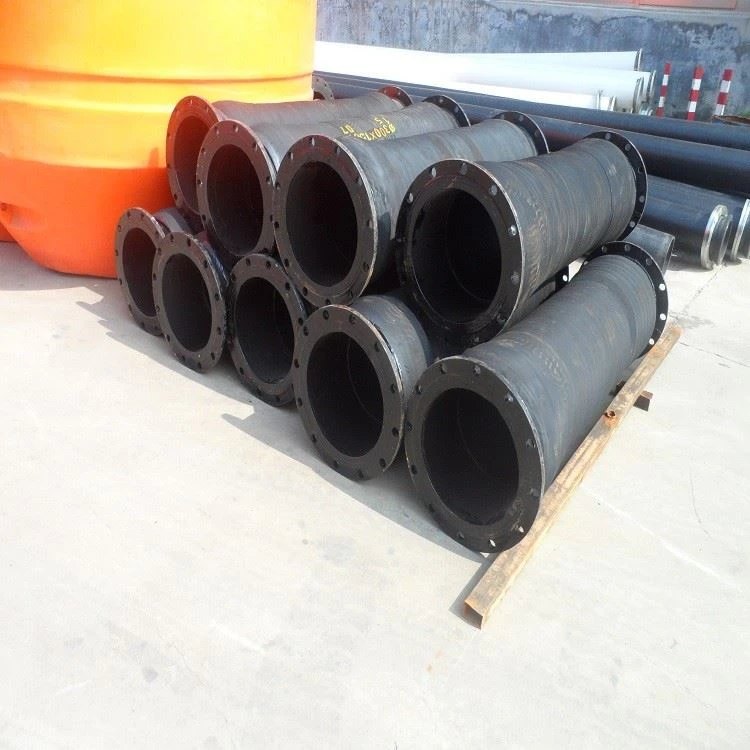
Before we talk about wall thickness, let's quickly go over what Dredging Rubber Hose is. It's a specialized type of hose used in dredging operations, which involve removing sediment and debris from the bottom of water bodies. These hoses are designed to withstand the harsh conditions of dredging, including abrasive materials, high pressures, and varying temperatures.
There are different types of dredging hoses available, such as the Dredging Discharge Rubber Hose and the Flexible Dredge Rubber Hose. Each type has its own unique features and applications, but they all share the common goal of efficiently transporting dredged materials.
The Impact of Wall Thickness on Strength and Durability
One of the most obvious ways that wall thickness affects the performance of a Dredging Rubber Hose is in terms of strength and durability. A thicker wall generally means a stronger hose that can withstand higher pressures and more abrasive materials.
When you're dealing with dredging operations, the hose is constantly exposed to rough and sharp particles. These particles can cause wear and tear on the hose, and if the wall is too thin, it may rupture or develop leaks. A thicker wall provides an extra layer of protection, reducing the risk of damage and extending the lifespan of the hose.
For example, let's say you're using a Dredging Rubber Hose to transport sand and gravel. If the wall thickness is too thin, the sand and gravel can quickly wear through the hose, leading to frequent replacements. On the other hand, a hose with a thicker wall can handle the abrasive materials better, saving you time and money in the long run.
Flexibility and Maneuverability
While a thicker wall can improve strength and durability, it can also have an impact on the flexibility and maneuverability of the hose. A thicker wall makes the hose stiffer, which can make it more difficult to bend and position.
In some dredging operations, flexibility is crucial. For instance, if you need to navigate around obstacles or adjust the position of the hose quickly, a more flexible hose is essential. In these cases, a thinner wall may be a better option, as it allows for greater flexibility and easier maneuverability.
However, it's important to find the right balance between strength and flexibility. A hose that is too thin may not be able to withstand the pressures and abrasion of the dredging process, while a hose that is too thick may be too rigid to use effectively.
Pressure Resistance
Another important factor to consider is the pressure resistance of the Dredging Rubber Hose. The wall thickness plays a significant role in determining how much pressure the hose can handle.
A thicker wall can increase the pressure resistance of the hose, allowing it to operate at higher pressures without bursting. This is particularly important in dredging operations, where high pressures are often required to transport the dredged materials.
However, it's important to note that increasing the wall thickness also increases the weight and cost of the hose. So, you need to find a balance between pressure resistance and other factors, such as flexibility and cost.

Cost Considerations
When it comes to choosing the right wall thickness for your Dredging Rubber Hose, cost is always a factor. A thicker wall generally means a higher cost, as more material is used in the manufacturing process.
However, it's important to look at the long-term costs. While a thicker wall may cost more upfront, it can save you money in the long run by reducing the need for frequent replacements. On the other hand, a thinner wall may be more affordable initially, but it may require more frequent repairs and replacements, which can add up over time.
Making the Right Choice
So, how do you choose the right wall thickness for your Dredging Rubber Hose? It depends on a variety of factors, including the type of dredging operation, the materials being transported, the pressure requirements, and your budget.
If you're dealing with highly abrasive materials or high pressures, a thicker wall may be the best option. However, if flexibility and maneuverability are more important, a thinner wall may be more suitable.
It's also a good idea to consult with a professional supplier, like us. We have the expertise and experience to help you choose the right wall thickness for your specific needs. We can provide you with detailed information about the different types of hoses available and their performance characteristics.
Conclusion
In conclusion, the wall thickness of a Dredging Rubber Hose has a significant impact on its performance. A thicker wall can improve strength, durability, and pressure resistance, but it can also reduce flexibility and increase cost. On the other hand, a thinner wall can provide greater flexibility and lower cost, but it may not be as strong or durable.
When choosing the right wall thickness for your Dredging Rubber Hose, it's important to consider all the factors and find the right balance. If you have any questions or need help choosing the right hose, don't hesitate to contact us. We're here to help you make the best decision for your dredging operations.
If you're interested in purchasing Dredging Rubber Hose, you can check out our Dredging Rubber Hose page for more information. We offer a wide range of high-quality hoses to meet your needs.
References
- "Dredging Equipment Handbook" by Peter V. R. Van den Berg
- "Rubber Hose Technology" by James R. Wagner