

As a dedicated supplier of Dredging Rubber Hose, I understand the critical role that sealing performance plays in the overall functionality and efficiency of these hoses. Ensuring a proper seal at the connections is essential to prevent leaks, maintain pressure, and ultimately, guarantee the smooth operation of dredging systems. In this blog post, I will share some valuable insights and practical tips on how to ensure the sealing performance of a dredging rubber hose connection.
Understanding the Importance of Sealing Performance
Before delving into the specific measures to ensure sealing performance, it's crucial to understand why it matters so much. In dredging operations, rubber hoses are used to transport a variety of materials, including sand, gravel, and slurry. These materials can be abrasive, corrosive, and high in pressure. A poor seal at the hose connection can lead to several issues, such as:
- Leakage: Leaks not only result in the loss of valuable materials but can also cause environmental pollution and safety hazards.
- Reduced Efficiency: Leaks can lead to a drop in pressure, which in turn reduces the efficiency of the dredging system. This can result in longer operation times and increased energy consumption.
- Equipment Damage: Abrasive materials leaking from a faulty connection can damage surrounding equipment, leading to costly repairs and downtime.
Factors Affecting Sealing Performance
Several factors can affect the sealing performance of a dredging rubber hose connection. Understanding these factors is the first step in ensuring a reliable seal.
- Hose Quality: The quality of the dredging rubber hose itself is a significant factor. High-quality hoses are made from durable materials that can withstand the harsh conditions of dredging operations. When sourcing hoses, it's essential to choose a reputable supplier that offers hoses that meet industry standards. You can explore our range of Dredging Rubber Hose for high-quality options.
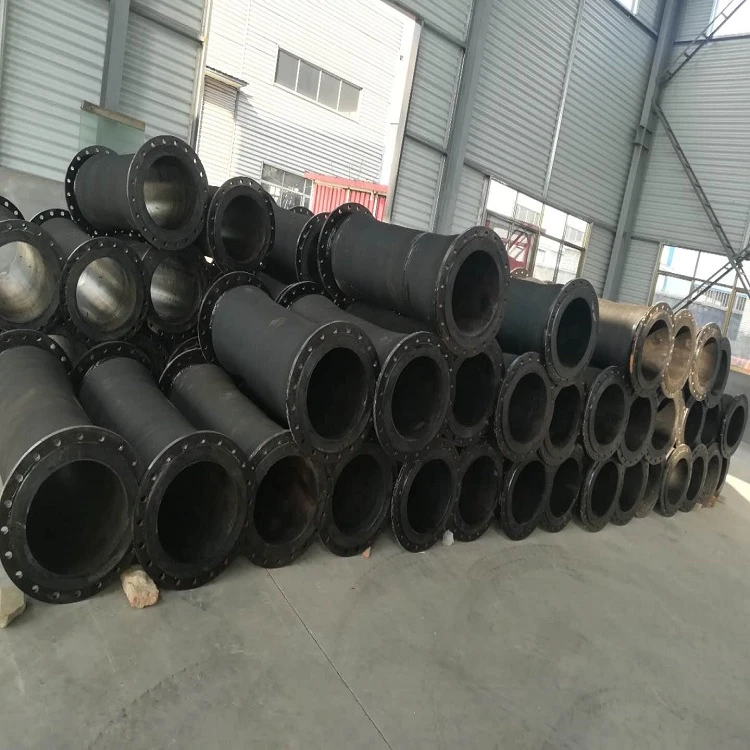
- Connection Type: There are various types of connections used for dredging rubber hoses, such as flanged connections, clamp connections, and threaded connections. Each type has its own advantages and disadvantages, and the choice of connection type depends on factors such as the application, pressure requirements, and ease of installation.
- Surface Preparation: Proper surface preparation is crucial for a good seal. The mating surfaces of the hose and the connection must be clean, smooth, and free of debris. Any dirt, rust, or other contaminants can prevent a proper seal from forming.
- Sealing Material: The sealing material used in the connection, such as gaskets or O-rings, plays a vital role in ensuring a tight seal. The sealing material must be compatible with the hose material and the transported medium. It should also be able to withstand the pressure and temperature conditions of the application.
- Installation Technique: The way the hose is installed can also affect the sealing performance. Improper installation, such as over-tightening or under-tightening the connection, can lead to leaks. It's important to follow the manufacturer's installation instructions carefully.
Tips for Ensuring Sealing Performance
Now that we understand the factors affecting sealing performance, let's look at some practical tips to ensure a reliable seal.
- Choose the Right Hose and Connection: Select a dredging rubber hose and connection type that are suitable for your specific application. Consider factors such as the pressure rating, temperature range, and the type of material being transported. Our Dredging Discharge Rubber Hose is designed to meet the demanding requirements of dredging operations.
- Inspect the Hose and Connection: Before installation, carefully inspect the hose and the connection for any signs of damage or defects. Check for cracks, cuts, or other imperfections that could affect the sealing performance. If any issues are found, replace the damaged parts before proceeding with the installation.
- Clean the Surfaces: Thoroughly clean the mating surfaces of the hose and the connection to remove any dirt, rust, or other contaminants. Use a suitable cleaning agent and a clean cloth to ensure a clean and smooth surface. This will help the sealing material to form a tight seal.
- Select the Right Sealing Material: Choose a sealing material that is compatible with the hose material and the transported medium. Consider factors such as the pressure, temperature, and chemical resistance of the sealing material. Make sure the sealing material is the correct size and shape for the connection.
- Follow the Installation Instructions: Follow the manufacturer's installation instructions carefully. This includes the proper torque specifications for tightening the connection. Over-tightening can damage the hose or the connection, while under-tightening can result in a leak. Use a torque wrench to ensure the correct torque is applied.
- Perform Regular Inspections: Regularly inspect the hose connections during operation to check for any signs of leakage or damage. Look for wet spots, drips, or other indications of a leak. If a leak is detected, take immediate action to repair or replace the faulty connection.
- Consider Different Sizes: Depending on your specific application, you may need Differenct Size Discharge Rubber Hose. Make sure to choose the right size hose and connection to ensure a proper fit and seal.
Maintenance and Troubleshooting
Proper maintenance is essential to ensure the long-term sealing performance of dredging rubber hose connections. Here are some maintenance tips:
- Keep the Hoses Clean: Regularly clean the hoses to remove any dirt, debris, or other contaminants that could affect the sealing performance. This can help prevent corrosion and damage to the hoses.
- Store the Hoses Properly: When not in use, store the hoses in a cool, dry place away from direct sunlight and sources of heat. This can help prevent the hoses from deteriorating and losing their sealing properties.
- Replace Worn Sealing Materials: Over time, the sealing materials may wear out or become damaged. Replace the sealing materials at regular intervals to ensure a reliable seal.
If you encounter any issues with the sealing performance of a dredging rubber hose connection, here are some troubleshooting steps:
- Check for Leaks: If you suspect a leak, carefully inspect the connection for any signs of wetness or dripping. Use a pressure test to confirm the presence of a leak.
- Tighten the Connection: If the connection is loose, use a torque wrench to tighten it to the correct torque specification. Be careful not to over-tighten the connection.
- Replace the Sealing Material: If the sealing material is damaged or worn out, replace it with a new one. Make sure to choose a sealing material that is compatible with the hose and the transported medium.
- Inspect the Hose and Connection: Check the hose and the connection for any signs of damage or defects. If any issues are found, replace the damaged parts.
Conclusion
Ensuring the sealing performance of a dredging rubber hose connection is crucial for the efficient and safe operation of dredging systems. By understanding the factors affecting sealing performance, following the tips outlined in this blog post, and performing regular maintenance, you can minimize the risk of leaks and ensure a reliable seal. As a leading supplier of Dredging Rubber Hose, we are committed to providing high-quality products and expert advice to help you achieve optimal sealing performance. If you have any questions or need assistance with your dredging rubber hose needs, please feel free to contact us. We look forward to discussing your requirements and helping you find the best solutions for your dredging operations.

References
- "Dredging Equipment Handbook" by IADC (International Association of Dredging Companies)
- "Rubber Hose Technology" by various industry experts