

As a seasoned supplier of Dredging Rubber Hoses, I've witnessed firsthand the challenges that come with ensuring these hoses can withstand the harsh conditions of dredging operations. Wear resistance is a critical factor in the performance and longevity of dredging rubber hoses, as they are constantly exposed to abrasive materials such as sand, gravel, and rocks. In this blog post, I'll share some effective strategies on how to improve the wear resistance of a dredging rubber hose.
1. Select High - Quality Rubber Compounds
The choice of rubber compound is fundamental to the wear resistance of a dredging hose. Natural rubber is known for its excellent resilience and tear resistance, but it may not be the most suitable option for highly abrasive environments. Synthetic rubbers like neoprene, nitrile rubber (NBR), and styrene - butadiene rubber (SBR) can offer better wear resistance.

Neoprene has good resistance to oil, ozone, and abrasion, making it a popular choice for dredging hoses that may come into contact with various contaminants. Nitrile rubber is highly resistant to oils and fuels, and it also provides good abrasion resistance. SBR is a cost - effective option with decent wear resistance, especially when combined with other rubbers.
We offer a range of dredging rubber hoses made from high - quality rubber compounds. You can explore our [Differenct Size Discharge Rubber Hose](/rubber - hose/discharge - rubbe - hose/differenct - size - discharge - rubber - hose.html) collection to find the right hose with the appropriate rubber compound for your specific needs.
2. Reinforce the Hose Structure
Reinforcement is another key aspect of improving wear resistance. A dredging rubber hose typically consists of an inner tube, reinforcement layers, and an outer cover. The reinforcement layers play a crucial role in preventing the hose from bursting under pressure and also contribute to its wear resistance.
Common reinforcement materials include synthetic fibers such as polyester, nylon, and aramid. Polyester is strong, lightweight, and has good dimensional stability. Nylon offers high tensile strength and abrasion resistance. Aramid fibers, like Kevlar, are extremely strong and can significantly enhance the wear resistance and durability of the hose.
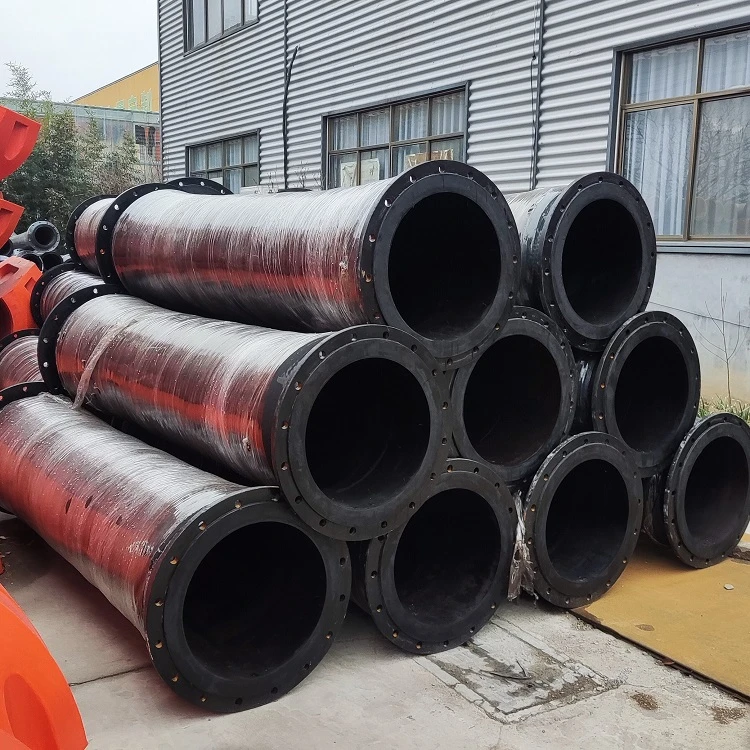
By using multiple layers of reinforcement and the right type of fibers, we can create a hose that can withstand the rigors of dredging operations. Our [Flexible Dredge Rubber Hose](/rubber - hose/discharge - rubbe - hose/flexible - dredge - rubber - hose.html) is designed with advanced reinforcement techniques to ensure maximum wear resistance and flexibility.

3. Optimize the Inner Surface Design
The inner surface of the dredging rubber hose is in direct contact with the abrasive materials, so its design can have a significant impact on wear resistance. A smooth inner surface can reduce friction and the likelihood of particles getting stuck, which in turn reduces wear.
Some hoses are designed with a special liner or coating on the inner surface. For example, a ceramic - lined inner surface can provide excellent wear resistance. Ceramic materials are extremely hard and can withstand the abrasion caused by high - velocity flow of abrasive particles.
We also pay close attention to the inner surface design of our hoses. Our [Dredging Discharge Rubber Hose](/rubber - hose/discharge - rubbe - hose/dredging - discharge - rubber - hose.html) is engineered to have a smooth and wear - resistant inner surface, which helps to extend the service life of the hose.
4. Proper Installation and Maintenance
Proper installation and maintenance are essential for ensuring the long - term wear resistance of a dredging rubber hose. During installation, it's important to avoid sharp bends, kinks, and excessive tension, as these can cause stress concentration and premature wear.

Regular maintenance includes inspecting the hose for signs of wear, damage, or leakage. Any small issues should be addressed promptly to prevent them from escalating into major problems. Cleaning the hose regularly can also help to remove abrasive particles that may accumulate on the inner or outer surface.
We provide detailed installation and maintenance guidelines to our customers to ensure that their dredging rubber hoses perform at their best. If you have any questions about installation or maintenance, feel free to reach out to us.
5. Consider the Operating Conditions
The wear resistance of a dredging rubber hose can also be affected by the operating conditions. Factors such as the type of dredged material, flow velocity, pressure, and temperature need to be taken into account.
For example, if the dredged material contains a high percentage of sharp - edged particles, a hose with higher wear resistance may be required. High flow velocities can increase the abrasion rate, so the hose should be designed to withstand the associated forces. Similarly, extreme temperatures can affect the properties of the rubber, so a hose that is suitable for the specific temperature range should be selected.
By understanding the operating conditions and choosing the right hose accordingly, you can improve the wear resistance and overall performance of your dredging system.
6. Collaborate with a Reliable Supplier
Partnering with a reliable supplier is crucial when it comes to improving the wear resistance of your dredging rubber hose. A good supplier will have the expertise and experience to recommend the right hose for your specific application.
We have been in the business of supplying dredging rubber hoses for many years. Our team of experts can analyze your requirements and provide you with customized solutions. We use the latest manufacturing techniques and high - quality materials to ensure that our hoses meet the highest standards of wear resistance and performance.
If you are looking for a dredging rubber hose with excellent wear resistance, we invite you to contact us for a consultation. We can help you select the right hose and provide you with all the necessary support throughout the purchasing process. Whether you need a [Differenct Size Discharge Rubber Hose](/rubber - hose/discharge - rubbe - hose/differenct - size - discharge - rubber - hose.html), a [Flexible Dredge Rubber Hose](/rubber - hose/discharge - rubbe - hose/flexible - dredge - rubber - hose.html), or a [Dredging Discharge Rubber Hose](/rubber - hose/discharge - rubbe - hose/dredging - discharge - rubber - hose.html), we have the products and the knowledge to meet your needs.
In conclusion, improving the wear resistance of a dredging rubber hose requires a comprehensive approach that includes selecting the right rubber compound, reinforcing the hose structure, optimizing the inner surface design, proper installation and maintenance, considering the operating conditions, and collaborating with a reliable supplier. By implementing these strategies, you can extend the service life of your dredging rubber hoses and reduce the overall cost of your dredging operations.
If you are interested in learning more about our dredging rubber hoses or have any questions about wear resistance, please don't hesitate to get in touch with us. We look forward to discussing your requirements and providing you with the best solutions.
References
- Mark, J. E., & Erman, B. (2007). Rubber Technology. Oxford University Press.
- Gent, A. N. (2012). Engineering with Rubber: How to Design Rubber Components. Hanser Publishers.
- ASTM International. (2019). ASTM Standards for Rubber Hoses. ASTM International.