

Hey there! As a supplier of Dredging Rubber Hoses, I've seen my fair share of issues with hose deformation under pressure. It's a common problem that can seriously affect the efficiency and lifespan of these hoses. So, I thought I'd share some tips on how to prevent this deformation, making your dredging operations smoother and more cost - effective.
Understanding the Causes of Dredging Rubber Hose Deformation
First off, we need to know what causes a dredging rubber hose to deform under pressure. Pressure is, of course, the main culprit. When the hydraulic pressure inside the hose exceeds its design limit, it can cause the hose to bulge, stretch or even burst.
Another factor is the quality of the rubber material. Low - quality rubber may not have enough strength and elasticity to withstand the pressure. Environmental factors also play a role. Extreme temperatures, whether it's too hot or too cold, can make the rubber more brittle or soft, increasing the risk of deformation.
Choosing the Right Hose
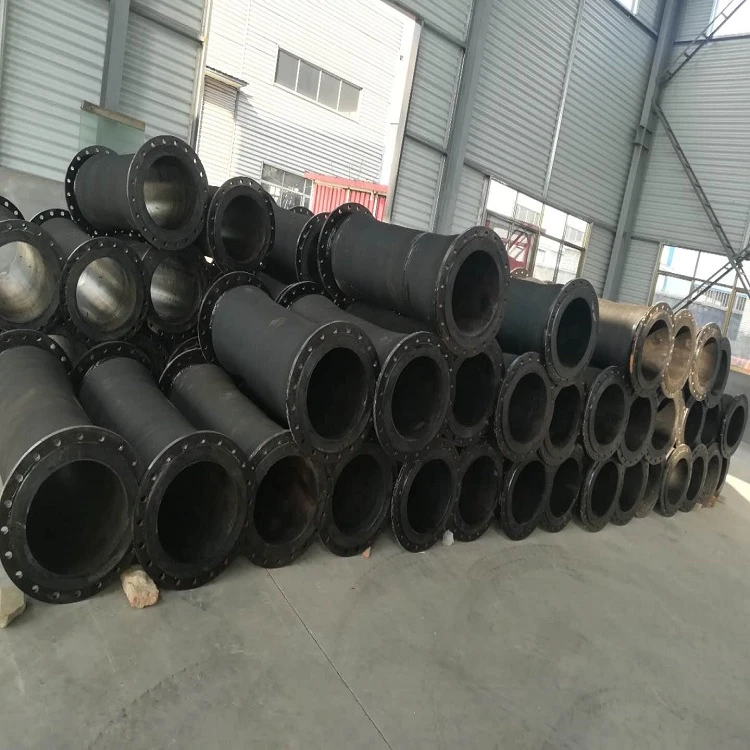
The first step in preventing deformation is choosing the right dredging rubber hose. You can check out our Differenct Size Discharge Rubber Hose options. Different sizes are designed for different flow rates and pressure levels. Make sure to select a hose that can handle the pressure and volume of the dredging material you'll be transporting.
The construction of the hose is also crucial. Look for hoses with multiple layers of reinforcement. A good dredging rubber hose usually has an inner tube, reinforcement layers (such as synthetic fibers or steel wires), and an outer cover. The reinforcement layers provide strength and stability, helping the hose resist deformation. Our Dredging Rubber Hose is designed with high - quality reinforcement layers to ensure maximum pressure resistance.
Proper Installation
Proper installation is key to preventing hose deformation. When installing the hose, make sure it's not kinked or bent at sharp angles. Kinks and sharp bends can cause uneven pressure distribution inside the hose, leading to deformation.
Use the right fittings and connectors. Ill - fitting connectors can cause leaks and increase the pressure on certain parts of the hose. Make sure the connectors are tightened properly but not over - tightened, as this can also damage the hose.
Regular Maintenance
Regular maintenance is essential for keeping your dredging rubber hose in good condition. Inspect the hose regularly for signs of wear and tear, such as cracks, abrasions, or bulges. If you notice any issues, address them immediately.
Clean the hose after each use to remove any debris or sediment that may have accumulated inside. This can prevent blockages, which can increase the pressure inside the hose and cause deformation.
Pressure Management
Managing the pressure inside the hose is crucial. Don't exceed the maximum pressure rating of the hose. If you need to increase the flow rate or pressure, consider upgrading to a higher - rated hose.
Use pressure - regulating valves to keep the pressure within the safe range. These valves can automatically adjust the pressure to prevent over - pressurization.
Temperature Control
As mentioned earlier, temperature can have a big impact on the performance of the rubber hose. In cold weather, the rubber can become brittle and more prone to cracking. You can use insulation to keep the hose warm.
In hot weather, the rubber can soften and lose its shape. Provide shade or cooling systems to keep the hose at a reasonable temperature.
Training the Operators
Finally, making sure your operators are well - trained is important. They should know how to handle the hoses properly, including installation, maintenance, and operation. Provide them with training on the correct procedures and safety guidelines.
By following these tips, you can significantly reduce the risk of deformation of your dredging rubber hoses under pressure. Not only will this save you money on replacements, but it will also improve the efficiency of your dredging operations.

If you're in the market for high - quality Flexible Dredge Rubber Hose or have any questions about preventing hose deformation, feel free to reach out and start a procurement discussion. We're here to help you find the best solutions for your dredging needs.
References
- Johnson, M. (2020). “Rubber Hose Technology and Applications”. Industrial Publication Inc.
- Smith, A. (2021). “Pressure Management in Fluid Transfer Systems”. Hydraulic Press.