

Hey there! As a supplier of Dredging Rubber Hoses, I've seen firsthand how important it is to store these hoses properly. Not only does proper storage extend the lifespan of the hoses, but it also ensures they're in top - notch condition when you need them. In this blog, I'll share some tips on how to store dredging rubber hoses correctly.
1. Clean the Hoses Thoroughly Before Storage
Before you even think about stashing your dredging rubber hoses away, you gotta clean them up. Dredging hoses are often exposed to all sorts of muck, debris, and even corrosive substances. If you leave this stuff on the hoses during storage, it can cause damage over time.
Start by flushing the hoses with clean water. You can use a high - pressure water jet if possible. This will help to remove any loose dirt and sediment inside the hoses. For stubborn stains or residues, you might need to use a mild detergent. Just make sure it's compatible with the rubber material of the hoses. After cleaning, rinse the hoses again to get rid of any detergent residue. Then, let them dry completely. You can hang them up or lay them out in a well - ventilated area. Avoid direct sunlight during the drying process as it can cause the rubber to deteriorate.
2. Choose the Right Storage Location
The place where you store your dredging rubber hoses can make a huge difference. First of all, it should be a dry place. Moisture is the enemy of rubber hoses as it can lead to mold growth and corrosion of any metal parts (like flanges). A warehouse or a covered shed is a great option.
The storage area should also be away from sources of heat and direct sunlight. High temperatures can cause the rubber to become brittle and lose its elasticity. If you have to store the hoses outdoors, make sure they're covered with a UV - resistant tarp.
Another thing to consider is the proximity to chemicals. Some chemicals can react with the rubber and cause it to break down. So, keep the hoses away from areas where chemicals are stored or used.
3. Proper Coiling and Support
When it comes to storing dredging rubber hoses, how you coil them matters. Don't just toss them in a heap. Coil the hoses neatly with a proper diameter. A too - tight coil can cause kinks and stress on the rubber, while a too - loose coil might not make efficient use of the storage space.
Use hose supports or racks to keep the coils in place. This will prevent the hoses from getting flattened or deformed. If you have long hoses, you can use multiple supports along the length of the coil.
For hoses with flanges, like the Dredging Rubber Hose with Flange, be extra careful. Make sure the flanges are protected to avoid any damage. You can use flange protectors or wrap them with a soft material.
4. Regular Inspection During Storage
Storing the hoses isn't a "set it and forget it" deal. You need to check on them regularly. Every few months, take a look at the hoses to see if there are any signs of damage, such as cracks, bulges, or discoloration.
Check the connections and any metal parts for rust or corrosion. If you notice any issues, address them right away. For minor problems, you might be able to do some simple repairs. But for more serious damage, you might need to replace the hose.
5. Protect Against Pests
Pests can also be a problem when storing dredging rubber hoses. Rodents might chew on the rubber, and insects could build nests inside the hoses. To prevent this, you can use pest - control methods. You can place rodent traps around the storage area or use insect - repellent sprays (make sure they're safe for rubber).
6. Keep an Inventory
It's a good idea to keep an inventory of your dredging rubber hoses. This will help you keep track of how many hoses you have, their sizes, and their condition. You can use a simple spreadsheet or a more advanced inventory management system.
When you need to use a hose, you can quickly find the right one based on your inventory records. And when it's time to order new hoses, you'll know exactly what you need.
7. Separate Hoses by Type and Usage
If you have different types of dredging rubber hoses, like Dredging Rubber Hose and Dredging Discharge Rubber Hose, it's best to store them separately. This makes it easier to find the right hose when you need it.
Also, if some hoses are used for more demanding applications or are exposed to more harsh conditions, you might want to keep them in a separate area for more careful monitoring.
Why Proper Storage is Worth It
Proper storage of dredging rubber hoses can save you a lot of money in the long run. By extending the lifespan of the hoses, you won't have to replace them as often. This also means less downtime for your dredging operations.
Well - stored hoses perform better. They're less likely to develop leaks or other issues, which can lead to more efficient dredging processes.

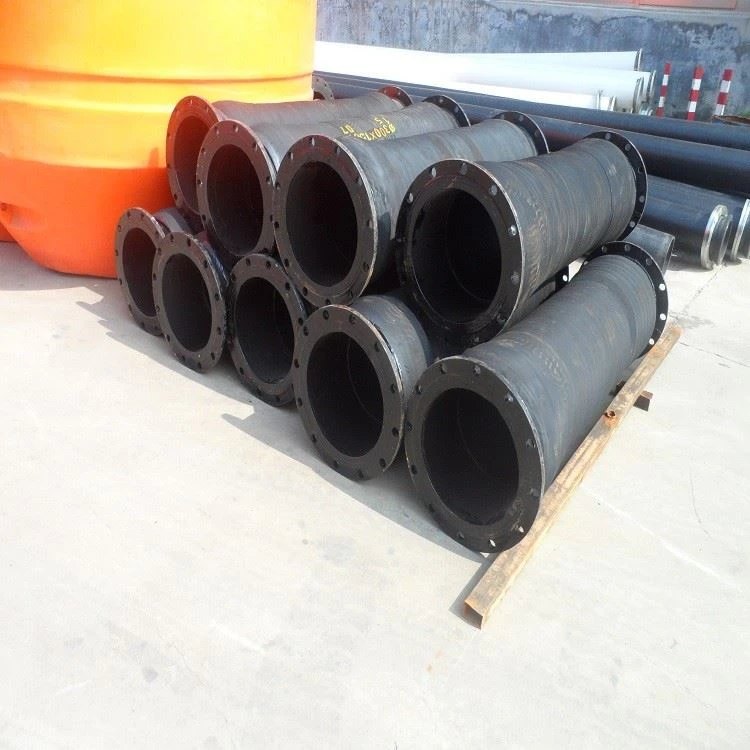
If you're looking for high - quality dredging rubber hoses, we've got you covered. Our hoses are designed to withstand the toughest dredging conditions. And if you have any questions about storage or usage, feel free to reach out. We're always here to help you make the most of your dredging equipment.
So, if you're in the market for dredging rubber hoses or want to learn more about our products, don't hesitate to contact us for a purchase and negotiation. We'll work with you to find the best solutions for your needs.
References
- Rubber Manufacturers Association. "Best Practices for Rubber Hose Storage."
- Dredging Industry Handbook. "Maintenance and Storage of Dredging Equipment."