

Hey there! I'm a supplier of rotomoulded products, and I often get asked about the environmental impacts of what we produce. Rotomoulding, or rotational moulding, is a manufacturing process that creates hollow plastic products. It's used to make a wide range of stuff, from Agricultural Chassis to Digestion Tank and Traffic Safety Barrier. So, let's dive into the environmental side of things.
Raw Material Sourcing
The first step in rotomoulding is getting the raw materials. Most rotomoulded products are made from polyethylene (PE), a type of plastic. The extraction and production of PE have some environmental impacts.
Polyethylene is derived from petroleum or natural gas. The extraction of these fossil fuels is a major concern. It often involves activities like drilling, which can lead to habitat destruction. Oil spills during extraction or transportation can have devastating effects on marine and terrestrial ecosystems. For example, a large - scale oil spill can kill fish, birds, and other wildlife, and contaminate water sources for years.
The production of PE from these fossil fuels also requires a significant amount of energy. Energy is needed for processes like cracking and polymerization. This energy usually comes from non - renewable sources, such as coal - fired power plants. Burning coal releases large amounts of greenhouse gases, including carbon dioxide (CO₂), which contributes to global warming.
However, there are some positive aspects. There's a growing trend in using recycled polyethylene in rotomoulding. Recycling plastic reduces the demand for virgin plastic production. When we use recycled PE, we're giving a second life to plastic waste that would otherwise end up in landfills or the environment. This helps to conserve natural resources and reduce the environmental footprint associated with raw material extraction.
The Rotomoulding Process
The rotomoulding process itself has its own set of environmental impacts.
Energy consumption is a big one. The rotomoulding machine needs to heat the plastic resin to a molten state. This requires a lot of energy, especially if the machine is not energy - efficient. The heat is usually provided by gas burners or electric heaters. If the energy comes from non - renewable sources, it adds to the carbon footprint of the product. For instance, an old - fashioned rotomoulding machine might use a lot of natural gas to heat up, and the combustion of natural gas releases CO₂.
On the plus side, modern rotomoulding machines are becoming more energy - efficient. New technologies are being developed to reduce the amount of energy needed to heat the plastic. Some machines use advanced insulation materials to retain heat better, so less energy is wasted. Also, there are efforts to use renewable energy sources, like solar or wind power, to run the rotomoulding process. This would significantly reduce the environmental impact by cutting down on greenhouse gas emissions.
Another aspect is the emission of volatile organic compounds (VOCs). During the heating process, some plastics can release VOCs. These are chemicals that can have negative effects on air quality and human health. They can cause respiratory problems, headaches, and in some cases, long - term health issues like cancer. However, manufacturers are taking steps to reduce VOC emissions. For example, using low - VOC plastic resins or installing ventilation systems to capture and treat the emitted VOCs.
Product Use and Durability
The environmental impact of rotomoulded products doesn't stop at the production stage. It also depends on how the products are used and how long they last.
Rotomoulded products are known for their durability. Products like Agricultural Chassis and Traffic Safety Barrier are designed to withstand harsh conditions. This means they don't need to be replaced as often as less durable products. For example, a rotomoulded traffic safety barrier can last for many years, reducing the need for frequent manufacturing and disposal of new barriers. This helps to conserve resources and reduce the overall environmental impact.
However, if a rotomoulded product is not used properly or is over - designed, it can still have a negative environmental impact. For example, if an Agricultural Chassis is made much larger and heavier than necessary, it will require more raw materials and energy to produce. And during its use, it might consume more fuel if it's part of a vehicle.
Product Disposal
When a rotomoulded product reaches the end of its life, disposal becomes an issue.
If the product is sent to a landfill, it can take a long time to decompose. Plastic products, including rotomoulded ones, are not biodegradable in a reasonable time frame. In a landfill, they can take hundreds of years to break down. As they sit in the landfill, they can also leach chemicals into the soil and groundwater, potentially contaminating these resources.
Incineration is another option, but it also has its problems. Burning plastic releases a lot of pollutants, including dioxins and furans. These are highly toxic chemicals that can cause serious health problems in humans and wildlife. They can bioaccumulate in the food chain, meaning they build up in the bodies of animals and humans over time.

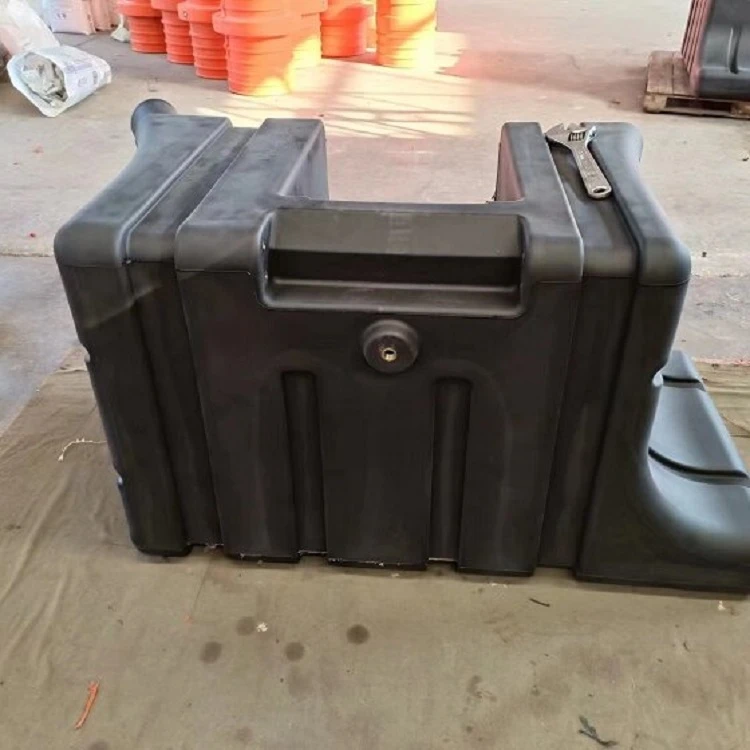
Recycling is the best option for rotomoulded products. As mentioned earlier, recycled polyethylene can be used in the rotomoulding process. But there are challenges to recycling rotomoulded products. The design of some products might make them difficult to recycle. For example, if a product has multiple layers of different plastics or has been painted or coated, it can be hard to separate the materials for recycling.
What We're Doing as a Supplier
As a supplier of rotomoulded products, we're aware of these environmental impacts and are taking steps to minimize them.
We're actively promoting the use of recycled polyethylene in our products. We work with recycling partners to source high - quality recycled plastic. By doing this, we're reducing the demand for virgin plastic and helping to keep plastic waste out of landfills.
We're also investing in energy - efficient rotomoulding machines. We've upgraded our equipment to use less energy during the production process. This not only reduces our carbon footprint but also saves us money on energy costs in the long run.
In terms of product design, we're focusing on making our products more recyclable. We're avoiding using complex multi - layer designs and are looking for alternative coating and painting methods that don't interfere with the recycling process.
Conclusion
Producing rotomoulded products has both positive and negative environmental impacts. The raw material sourcing, the rotomoulding process, product use, and disposal all have their own environmental challenges. However, there are also many opportunities to reduce these impacts.
As a supplier, we're committed to being part of the solution. We believe that by using recycled materials, improving energy efficiency, and designing more recyclable products, we can make the rotomoulding industry more sustainable.
If you're interested in our rotomoulded products, whether it's an Agricultural Chassis, a Digestion Tank, or a Traffic Safety Barrier, and want to learn more about our environmentally - friendly practices, feel free to reach out to us for a procurement discussion. We're always happy to talk about how we can meet your needs while also being kind to the environment.
References
- "Plastic Recycling: Challenges and Opportunities" - Journal of Environmental Science and Technology
- "Energy Efficiency in Manufacturing Processes" - Industrial Engineering Review
- "Environmental Impacts of Fossil Fuel Extraction" - Environmental Science Magazine