

As a supplier of agricultural chassis, I've witnessed firsthand the pivotal role these machines play in modern farming. Agricultural chassis are the backbone of numerous farming operations, from tilling and planting to harvesting. However, the comfort and safety of the operators sitting behind the controls are equally crucial. In this blog, I'll delve into the essential ergonomic considerations for agricultural chassis operators.
1. Seat Design and Adjustability
The seat is the operator's primary contact point with the agricultural chassis. A well - designed seat can significantly reduce fatigue and prevent long - term musculoskeletal disorders.
Padding and Support: High - density foam padding provides a comfortable sitting surface that conforms to the operator's body. Lumbar support is essential to maintain the natural curve of the lower back. Adjustable lumbar support allows operators of different body types to customize the seat to their needs. For example, a farmer who spends long hours on the chassis during the harvest season can adjust the lumbar support to reduce lower back pain.
Seat Adjustability: The seat should be adjustable in multiple directions. Vertical adjustment allows operators to position their eyes at the optimal height for visibility through the windshield. Horizontal adjustment enables them to reach the controls comfortably. Additionally, seat tilt adjustment helps operators find a sitting position that reduces pressure on the thighs and buttocks.
2. Control Layout and Accessibility
The layout of controls on an agricultural chassis can greatly impact the operator's efficiency and safety.
Logical Grouping: Controls should be grouped logically based on their function. For instance, all the controls related to the implement attachment, such as the hydraulic controls for raising and lowering a plow, should be in one area. This reduces the time the operator spends searching for a particular control, increasing productivity and reducing distraction.
Accessibility: Controls should be within easy reach of the operator without the need for excessive stretching or bending. For example, the steering wheel controls, which are used frequently, should be within a comfortable grasp. This not only improves the operator's comfort but also enhances safety by reducing the risk of sudden movements while trying to reach a control.
3. Visibility
Good visibility is essential for an agricultural chassis operator to perform their tasks safely and efficiently.
Windshield Design: The windshield should provide a wide field of view, both horizontally and vertically. It should be free of obstructions such as thick pillars that can block the operator's line of sight. Additionally, the windshield should be made of high - quality, shatter - resistant glass to ensure the operator's safety in case of an impact.
Mirror Placement: Mirrors are crucial for monitoring the implement being towed and the surrounding area. Side mirrors should be adjustable to provide a clear view of the sides and rear of the chassis. Rear - view cameras can also be installed to enhance visibility, especially when backing up or operating in tight spaces.
4. Vibration and Noise Reduction
Agricultural chassis often operate in rough terrains, which can generate significant vibrations and noise.
Vibration Isolation: The chassis should be equipped with vibration - isolation systems to reduce the amount of vibration transferred to the operator's seat and controls. Rubber mounts between the engine and the chassis frame can absorb some of the vibrations. Additionally, the seat can be designed with suspension systems to further isolate the operator from vibrations.
Noise Insulation: Noise can cause fatigue and hearing damage over time. The cab of the agricultural chassis should be well - insulated to reduce the amount of engine and external noise. Sound - absorbing materials can be used on the walls, ceiling, and floor of the cab. This creates a quieter and more comfortable working environment for the operator.
5. Climate Control
Farmers often work in various weather conditions, so a proper climate control system is essential.
Heating and Cooling: The cab should be equipped with a reliable heating system for cold weather and an effective cooling system for hot weather. The temperature should be adjustable to the operator's preference. For example, in the early morning during the winter, the operator can quickly warm up the cab, while in the middle of summer, the cooling system can keep the cab at a comfortable temperature.
Ventilation: Adequate ventilation is necessary to remove stale air and prevent the build - up of odors and humidity. Adjustable vents can be placed in the cab to direct the airflow where it is needed.
6. Space and Comfort
The operator's cab should provide enough space for comfortable movement.
Cab Size: A spacious cab allows the operator to stretch their legs and move around slightly without feeling cramped. This is especially important for long - duration operations. The cab should also have enough headroom to accommodate operators of different heights.
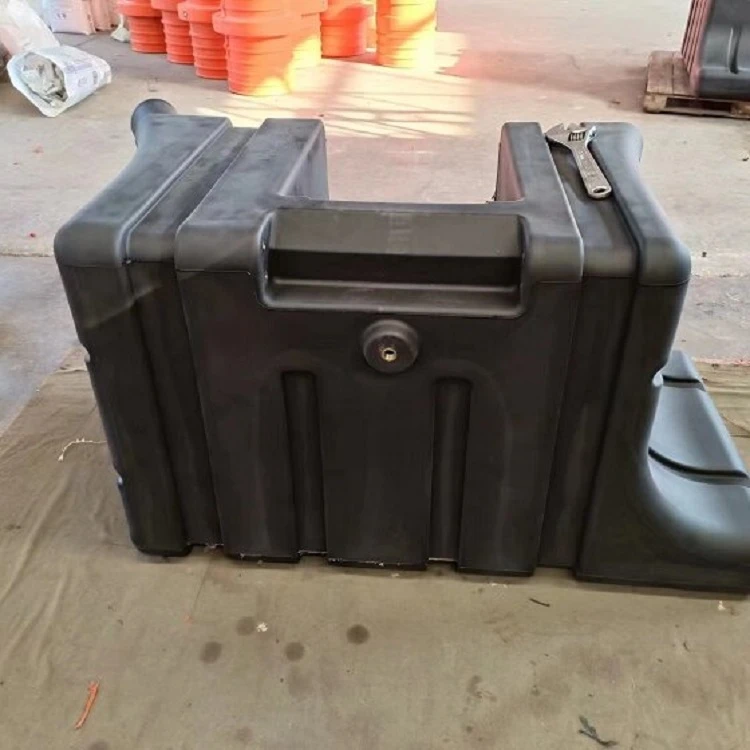

Interior Design: The interior of the cab should be designed with comfort in mind. Soft materials can be used on the dashboard and door panels to reduce glare and provide a more pleasant tactile experience. Additionally, storage compartments can be provided for the operator to keep personal items, tools, and documents.
7. Interaction with Other Equipment
Agricultural chassis often work in conjunction with other equipment, such as Traffic Safety Barrier, Aquaculture Leech Container, and Digestion Tank. The operator should be able to interact with these additional pieces of equipment easily.
Compatibility: The agricultural chassis should be designed to be compatible with different types of implements and equipment. This includes having the appropriate hydraulic connections, electrical interfaces, and mounting points.
Control Integration: If possible, the controls for the attached equipment should be integrated into the chassis's control system. This allows the operator to operate both the chassis and the attached equipment from a single control panel, improving efficiency and reducing complexity.
In conclusion, ergonomic considerations for agricultural chassis operators are of utmost importance. By focusing on seat design, control layout, visibility, vibration and noise reduction, climate control, space and comfort, and interaction with other equipment, we can create a more comfortable and safe working environment for farmers. As an agricultural chassis supplier, we are committed to incorporating these ergonomic features into our products to meet the needs of modern farmers.
If you're in the market for high - quality agricultural chassis that prioritize operator ergonomics, we'd love to have a conversation with you. Contact us to discuss your specific requirements and start a procurement negotiation.
References
- Grandjean, E. (1988). Fitting the Task to the Man: An Introduction to Ergonomics. Taylor & Francis.
- Konz, S., & Johnson, S. (2012). Work Design: Industrial Ergonomics. Cengage Learning.
- Salvendy, G. (Ed.). (2012). Handbook of Human Factors and Ergonomics. Wiley.