

Marine marker buoys play a crucial role in the vast expanse of the ocean. They serve as essential navigational aids, guiding ships, boats, and other marine vessels safely through waterways. As a dedicated supplier of marine marker buoys, I have had the privilege of witnessing the significance of these buoys in maritime operations. In this blog, I will delve into the communication protocols of marine marker buoys, exploring how they transmit vital information to ensure the safety and efficiency of marine activities.
The Basics of Marine Marker Buoys
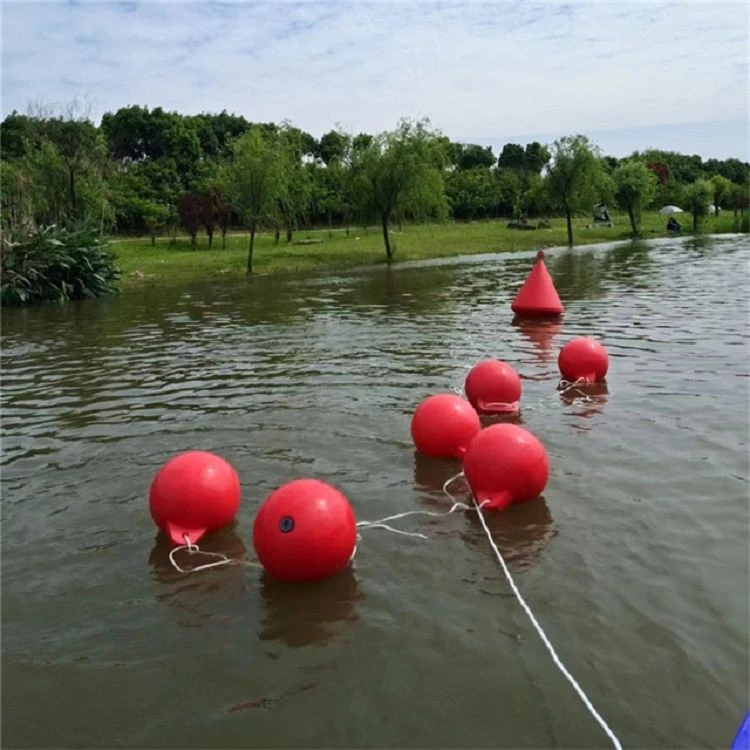
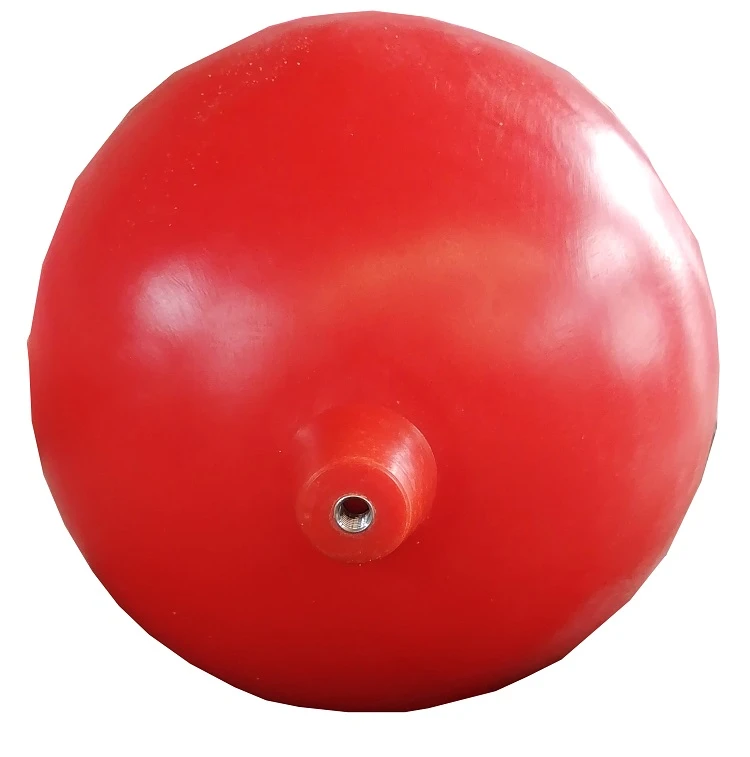
Before we dive into the communication protocols, let's first understand what marine marker buoys are and their primary functions. Marine marker buoys are floating devices that are anchored to the seabed at specific locations. They come in various shapes, sizes, and colors, each with a distinct purpose. Some common types of marine marker buoys include Marker Buoys with Both End Eyes, PE Shell Marker Buoy, and Anchor Marker Buoy.
These buoys are used to mark channels, hazards, boundaries, and other important locations in the water. They provide visual and sometimes audible cues to mariners, helping them navigate safely and avoid potential dangers. In addition to their navigational function, some marine marker buoys are also equipped with sensors and communication devices to collect and transmit data about the surrounding environment.
Communication Protocols of Marine Marker Buoys
The communication protocols of marine marker buoys are designed to ensure reliable and efficient data transmission between the buoys and the shore-based monitoring stations or other vessels. There are several communication technologies and protocols used in marine marker buoys, each with its own advantages and limitations.
Radio Frequency (RF) Communication
Radio frequency communication is one of the most commonly used methods for transmitting data from marine marker buoys. RF communication allows buoys to send and receive signals over long distances, making it suitable for monitoring large areas of the ocean. There are different types of RF communication protocols, such as Very High Frequency (VHF), Ultra High Frequency (UHF), and Long Range Radio (LoRa).
VHF communication is widely used in marine applications because it provides good coverage and is relatively easy to implement. VHF signals can travel up to 25 nautical miles, depending on the antenna height and the surrounding environment. UHF communication, on the other hand, offers higher data transfer rates but has a shorter range compared to VHF. LoRa is a low-power, long-range wireless communication protocol that is well-suited for battery-powered devices, such as marine marker buoys. LoRa can achieve ranges of up to several kilometers, making it ideal for remote monitoring applications.
Satellite Communication
Satellite communication is another important communication protocol used in marine marker buoys, especially for buoys located in remote or offshore areas where terrestrial communication infrastructure is limited. Satellite communication allows buoys to transmit data to a satellite, which then relays the data to a ground station. This enables real-time monitoring of buoys from anywhere in the world.
There are different types of satellite communication systems, such as Geostationary Earth Orbit (GEO) satellites and Low Earth Orbit (LEO) satellites. GEO satellites are positioned at a fixed point above the Earth's equator and provide continuous coverage over a large area. LEO satellites, on the other hand, orbit the Earth at a lower altitude and offer lower latency and higher data transfer rates. However, LEO satellite communication systems require a network of satellites to provide global coverage.
Acoustic Communication
Acoustic communication is a unique communication protocol used in marine marker buoys that rely on sound waves to transmit data through the water. Acoustic communication is particularly useful for underwater applications, where RF and satellite communication may not be feasible. Acoustic signals can travel long distances in water, making it suitable for monitoring underwater environments.
Acoustic communication systems use transducers to convert electrical signals into sound waves and vice versa. These transducers are typically installed on the buoy or attached to a separate underwater device. The data is then modulated onto the acoustic signals and transmitted through the water to a receiver. Acoustic communication has its own challenges, such as signal attenuation, multipath interference, and background noise, which need to be addressed to ensure reliable data transmission.
Data Transmission and Monitoring
Once the marine marker buoys have collected data from their sensors, they need to transmit this data to the shore-based monitoring stations or other vessels. The data can include information such as water temperature, salinity, wave height, current speed, and position. The communication protocols mentioned above are used to transmit this data in a reliable and efficient manner.
The shore-based monitoring stations receive the data from the buoys and process it to generate real-time reports and alerts. These reports can be used by mariners, researchers, and other stakeholders to make informed decisions about their activities in the water. For example, if a buoy detects a sudden increase in water temperature or a change in wave height, it can send an alert to the monitoring station, which can then notify nearby vessels to take appropriate precautions.
In addition to real-time monitoring, the data collected by marine marker buoys can also be used for long-term research and analysis. By analyzing the data over time, scientists can gain insights into the behavior of the ocean, such as climate change, ocean currents, and marine ecosystems. This information can be used to develop strategies for sustainable management of the ocean and its resources.
Importance of Communication Protocols in Marine Marker Buoys
The communication protocols of marine marker buoys are essential for ensuring the safety and efficiency of maritime operations. Reliable data transmission allows mariners to receive timely and accurate information about the surrounding environment, helping them navigate safely and avoid potential hazards. In addition, the data collected by buoys can be used for various purposes, such as weather forecasting, environmental monitoring, and resource management.
Moreover, the communication protocols enable remote monitoring of buoys, which reduces the need for manual inspections and maintenance. This not only saves time and resources but also improves the reliability and accuracy of the data. By using advanced communication technologies, marine marker buoys can provide real-time data, which is crucial for making informed decisions in a dynamic and unpredictable marine environment.
Conclusion
In conclusion, the communication protocols of marine marker buoys are a critical component of their functionality. Radio frequency communication, satellite communication, and acoustic communication are some of the commonly used methods for transmitting data from buoys to the shore-based monitoring stations or other vessels. These protocols ensure reliable and efficient data transmission, enabling real-time monitoring and decision-making in the maritime industry.
As a supplier of marine marker buoys, I understand the importance of these communication protocols in ensuring the safety and efficiency of our products. We are committed to using the latest technologies and protocols to provide our customers with high-quality buoys that meet their specific needs. If you are interested in purchasing marine marker buoys or have any questions about our products, please feel free to contact us for more information and to discuss your procurement requirements.
References
- International Maritime Organization (IMO). (2023). Guidelines for the Use of Marine Buoys and Beacons.
- National Oceanic and Atmospheric Administration (NOAA). (2023). Marine Navigation and Hydrography.
- IEEE Journal of Oceanic Engineering. (2023). Special Issue on Marine Communication Technologies.