

Hey there! As a supplier of Dredging Rubber Hoses, I often get asked a bunch of questions about our products. One question that pops up quite a bit is, "Are dredging rubber hoses resistant to oil?" Well, let's dig into this topic and find out.
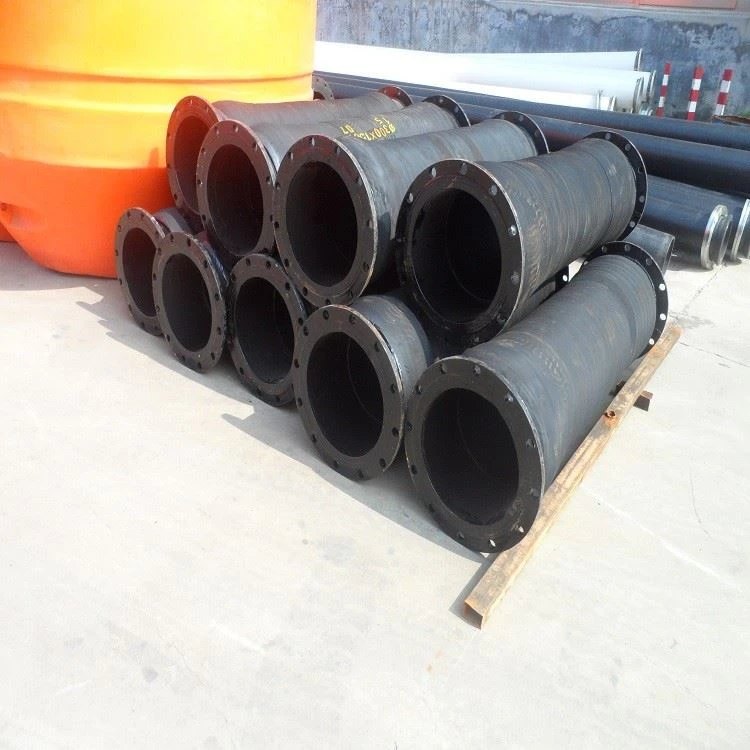
First off, let's talk about what dredging rubber hoses are. These hoses are super important in the dredging industry. They're used to transfer all sorts of materials like sand, gravel, and even some liquid - solid mixtures. You can check out more about them on our Dredging Rubber Hose page.
Now, when it comes to oil resistance, it's not a one - size - fits - all answer. The oil resistance of dredging rubber hoses depends on a few key factors.
1. Rubber Material
The type of rubber used to make the hose plays a huge role. There are different kinds of rubber out there, each with its own properties.
Natural Rubber
Natural rubber is one of the most common materials for making hoses. It's great because it's flexible, strong, and can handle a fair amount of wear and tear. But here's the catch: natural rubber isn't very resistant to oil. When it comes into contact with oil, it can swell up, lose its shape, and its mechanical properties can go downhill pretty quickly. So, if your dredging job involves a lot of oil exposure, natural rubber hoses might not be the best choice.
Synthetic Rubbers
On the other hand, there are synthetic rubbers that are designed to be oil - resistant. For example, Nitrile Butadiene Rubber (NBR). NBR is known for its excellent resistance to oils, fuels, and other petroleum - based products. If you're dealing with an environment where there's a high chance of oil contact, hoses made from NBR would be a much better option. Our Flexible Dredge Rubber Hose can be made with different rubber materials, including NBR for oil - resistant needs.
Neoprene
Neoprene is another synthetic rubber that offers some level of oil resistance. It's also resistant to ozone, weather, and chemicals. While it's not as oil - resistant as NBR in some cases, it still performs well in many dredging applications where there's some oil present.
2. Additives and Compounding
Manufacturers can add certain chemicals and additives to the rubber during the compounding process to improve its oil resistance. These additives can form a protective layer on the rubber surface or change the internal structure of the rubber to make it less likely to absorb oil.
For example, some anti - oxidants and anti - ozone agents can also help enhance the overall durability of the rubber in an oil - containing environment. The right combination of additives can make a big difference in how well a dredging rubber hose stands up to oil.
3. Hose Design and Construction
The way the hose is designed and constructed also affects its oil resistance.
Inner Lining
The inner lining of the hose is the part that comes into direct contact with the fluid or material being transferred. If the inner lining is made from an oil - resistant rubber material, it can provide a good barrier against oil penetration. For instance, in our Differenct Size Discharge Rubber Hose, we can customize the inner lining material according to the specific requirements of the application, including using oil - resistant rubbers.
Reinforcement Layers
The reinforcement layers in the hose are there to provide strength and support. These layers can also have an impact on oil resistance. If the reinforcement materials are properly protected and coated, they can prevent oil from seeping through to the outer layers of the hose.
Real - World Applications
Let's take a look at some real - world scenarios to see how oil resistance matters in dredging operations.
Marine Dredging
In marine dredging, there's always a risk of encountering oil and petroleum products. For example, if you're dredging near an oil rig or in an area with a history of oil spills, the hoses need to be able to withstand oil exposure. Using oil - resistant hoses can prevent damage and ensure the long - term performance of the dredging equipment.
Industrial Dredging
In industrial settings, such as in chemical plants or refineries, there might be a lot of oil and chemical substances present. Dredging operations in these areas require hoses that can handle the harsh environment. Oil - resistant hoses can reduce the maintenance costs and downtime associated with hose replacement.
Testing and Certification
To ensure that our dredging rubber hoses meet the required oil - resistance standards, we conduct various tests. These tests simulate real - world conditions and measure how well the hoses perform in the presence of oil.
We also aim to get our products certified by relevant industry organizations. Certifications can give our customers peace of mind, knowing that the hoses they're buying have been tested and meet the necessary quality and safety standards.

Making the Right Choice
So, how do you decide if you need an oil - resistant dredging rubber hose? Here are some things to consider:
- Nature of the Dredging Job: If there's a high probability of oil contact, like in the scenarios we mentioned above, then oil - resistant hoses are a must.
- Budget: Oil - resistant hoses might be more expensive than regular hoses. You need to weigh the cost against the potential savings in terms of reduced maintenance and replacement.
- Long - Term Goals: If you're looking for a long - lasting solution for your dredging operations, investing in oil - resistant hoses can be a smart move.
As a supplier, we're here to help you make the right choice. We can provide you with detailed information about the different types of hoses we offer, their oil - resistance properties, and how they fit into your specific application.
If you're interested in learning more about our Dredging Rubber Hoses or have any questions about oil resistance, don't hesitate to reach out. We're always happy to have a chat and help you find the perfect hose for your needs. Whether you need a standard size or a custom - made hose, we've got you covered.
References
- Morton, M. (2018). Rubber Technology. Springer.
- Carr, C. (2019). Handbook of Elastomers. CRC Press.