

Hey there! As a supplier of HDPE Pipe Floats, I've been in the game long enough to know that getting the best performance out of these floats is crucial for our customers. Whether you're dealing with Dredging Hose Float, Pipe Floating Pontoon, or Plastic Dredging Pipe Float, there are several key factors to consider. In this blog post, I'm gonna share some tips and tricks on how to improve the performance of HDPE Pipe Floats.
1. Material Selection
First things first, the quality of the HDPE material matters a whole lot. High - density polyethylene is known for its durability, chemical resistance, and buoyancy. When choosing the HDPE for your pipe floats, look for materials with a high molecular weight. These materials tend to have better mechanical properties, which means they can withstand more stress and wear over time.
Some suppliers might offer cheaper HDPE options, but trust me, it's worth investing in a higher - quality material. Cheaper materials may break down faster, leading to leaks or reduced buoyancy. You don't want your pipe floats sinking in the middle of a project, right? So, do your research and choose a reliable HDPE material supplier.
2. Design Optimization
The design of the HDPE Pipe Float plays a huge role in its performance. A well - designed float should have a proper shape and size to provide maximum buoyancy and stability. For example, the float should be wide enough to distribute the weight of the pipe evenly, preventing it from tipping over.
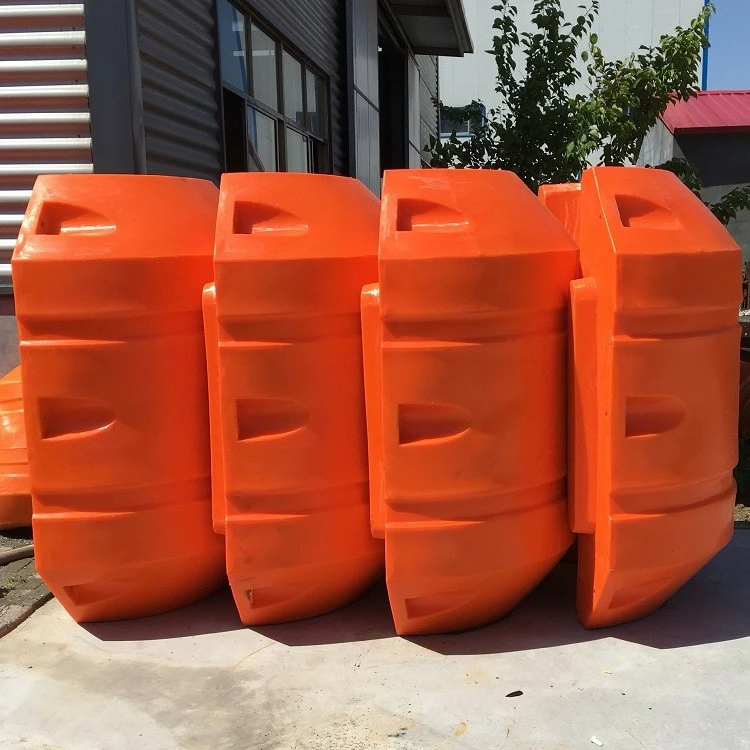

Also, consider adding features like reinforcement ribs or baffles inside the float. These features can enhance the structural integrity of the float, making it more resistant to impacts and deformation. When designing the float, take into account the specific requirements of your application, such as the type of pipe it will support and the environmental conditions it will be exposed to.
3. Installation
Proper installation is key to getting the most out of your HDPE Pipe Floats. Before installation, make sure the surface of the pipe is clean and free of any debris or sharp edges. This will prevent damage to the float during installation and use.
When attaching the floats to the pipe, use the right kind of fasteners. Make sure they are tight enough to hold the float securely in place but not so tight that they damage the HDPE material. If possible, follow the manufacturer's installation instructions. These instructions are usually based on extensive testing and can help you avoid common installation mistakes.
4. Maintenance
Regular maintenance is essential for keeping your HDPE Pipe Floats in top shape. Inspect the floats regularly for any signs of damage, such as cracks, holes, or wear. If you notice any issues, address them as soon as possible. Small problems can quickly turn into big ones if left untreated.
Clean the floats periodically to remove any dirt, algae, or other contaminants. You can use a mild detergent and a soft brush to clean the surface of the float. Avoid using harsh chemicals, as they can damage the HDPE material.
5. Environmental Considerations
The environment in which the HDPE Pipe Floats are used can have a significant impact on their performance. If the floats are used in saltwater, they may be exposed to corrosion and other chemical reactions. In this case, consider using a float with a special coating or treatment to protect it from the saltwater.
Temperature can also affect the performance of HDPE Pipe Floats. Extreme cold can make the HDPE material more brittle, while extreme heat can cause it to expand and lose its shape. If you're using the floats in an area with extreme temperatures, choose a HDPE material that is designed to withstand those conditions.
6. Load Capacity Management
It's important to know the load capacity of your HDPE Pipe Floats and not exceed it. Overloading the floats can lead to premature failure, such as cracking or sinking. When calculating the load capacity, take into account the weight of the pipe, the fluid inside the pipe, and any additional equipment or accessories attached to the pipe.
If you need to support a heavier load, consider using multiple floats or upgrading to a float with a higher load capacity. Don't try to cut corners by using fewer or smaller floats than recommended. It's better to be safe than sorry.
7. Compatibility with Other Components
HDPE Pipe Floats often work in conjunction with other components, such as pipes, connectors, and mooring systems. Make sure that all these components are compatible with each other. For example, the size and shape of the float should match the pipe it is supporting.
Incompatible components can cause problems such as leaks, instability, or excessive wear. When planning your project, take the time to ensure that all the components are designed to work together seamlessly.
8. Testing and Quality Control
Before putting your HDPE Pipe Floats into use, it's a good idea to conduct some tests. You can perform buoyancy tests to make sure the floats provide the required amount of buoyancy. You can also test the floats for their resistance to impacts, chemicals, and other environmental factors.
Implement a strict quality control process during the manufacturing of the floats. This can help identify and correct any defects early on, ensuring that only high - quality floats are delivered to your customers.
9. Upgrades and Improvements
The technology and materials used in HDPE Pipe Floats are constantly evolving. Keep an eye on the latest trends and developments in the industry. You may be able to upgrade your existing floats or introduce new and improved designs to your customers.
For example, new types of HDPE materials with enhanced properties may become available. By upgrading to these materials, you can improve the performance and longevity of your pipe floats.
10. Customer Feedback
Finally, don't underestimate the power of customer feedback. Your customers are the ones using the HDPE Pipe Floats in real - world applications, so they can provide valuable insights into what works and what doesn't.
Encourage your customers to share their experiences with you. Listen to their suggestions and use them to improve your products and services. By continuously improving based on customer feedback, you can stay ahead of the competition and provide the best possible HDPE Pipe Floats.
In conclusion, improving the performance of HDPE Pipe Floats requires a combination of factors, from material selection to customer feedback. By following these tips, you can ensure that your pipe floats perform at their best, providing reliable support for your pipes in various applications.
If you're interested in purchasing high - performance HDPE Pipe Floats or have any questions about how to improve their performance, feel free to reach out. We're here to help you find the best solutions for your projects.
References
- "Plastics in Marine Applications" - A research paper on the use of plastics, including HDPE, in marine environments.
- "Design and Performance of Buoyant Structures" - A technical book that covers the design principles and performance evaluation of buoyant structures like HDPE Pipe Floats.