

HDPE (High-Density Polyethylene) pipe floats are essential components in various industries, offering buoyancy and support for pipes in water-based applications. As a leading supplier of HDPE pipe floats, I am well-versed in the design features that make these products highly effective and reliable. In this blog post, I will delve into the key design features of HDPE pipe floats and explain how they contribute to their performance and durability.
Material Composition
The primary material used in HDPE pipe floats is high-density polyethylene, a thermoplastic polymer known for its exceptional strength, durability, and chemical resistance. HDPE has a high density, which gives it excellent stiffness and impact resistance, making it suitable for use in harsh environments. It is also resistant to UV radiation, oxidation, and most chemicals, ensuring long-term performance even in outdoor and marine applications.
The use of HDPE in pipe floats offers several advantages. Firstly, it is lightweight, which makes the floats easy to handle and install. This is particularly important in applications where large numbers of floats are required or where the floats need to be moved frequently. Secondly, HDPE is corrosion-resistant, eliminating the need for regular maintenance and replacement due to rust or other forms of corrosion. This reduces the overall cost of ownership and increases the lifespan of the pipe floats.
Buoyancy Design
One of the most critical design features of HDPE pipe floats is their buoyancy. The floats are designed to provide sufficient buoyancy to support the weight of the pipes and any additional loads, such as the weight of the fluid inside the pipes. The buoyancy of the floats is determined by their volume and the density of the material used.
To ensure optimal buoyancy, HDPE pipe floats are typically designed with a hollow structure. The hollow interior reduces the overall weight of the float while increasing its volume, thereby increasing its buoyancy. The shape of the float also plays a role in its buoyancy. Most HDPE pipe floats are designed with a cylindrical or oval shape, which provides a stable and efficient buoyancy platform.
In addition to the basic buoyancy design, some HDPE pipe floats are also equipped with additional features to enhance their buoyancy. For example, some floats may have a foam-filled interior, which further increases their buoyancy and provides additional insulation. Others may have a reinforced structure to withstand higher loads and pressures.
Structural Design
The structural design of HDPE pipe floats is another important factor that affects their performance and durability. The floats need to be able to withstand the forces exerted on them by the pipes, the water, and any other external factors. To ensure structural integrity, HDPE pipe floats are typically designed with a thick wall thickness and a reinforced structure.
The wall thickness of the floats is carefully calculated to provide sufficient strength and rigidity to support the weight of the pipes and any additional loads. The thickness may vary depending on the size and application of the floats. For example, larger floats or those used in high-pressure applications may require a thicker wall thickness.
In addition to the wall thickness, the floats may also be reinforced with ribs, webs, or other structural elements. These reinforcements help to distribute the loads evenly across the float and prevent deformation or failure. The reinforced structure also increases the resistance of the floats to impact, abrasion, and other forms of damage.
Connection Design
The connection design of HDPE pipe floats is crucial for ensuring a secure and reliable connection between the floats and the pipes. The floats need to be able to attach to the pipes firmly and securely, preventing them from slipping or detaching during use.
There are several different types of connection designs available for HDPE pipe floats. One common design is the clamp-on connection, which uses a clamp or a band to attach the float to the pipe. This type of connection is easy to install and remove, making it suitable for applications where the floats need to be moved or replaced frequently.
Another type of connection design is the bolt-on connection, which uses bolts or screws to attach the float to the pipe. This type of connection provides a more secure and permanent attachment, but it may require more time and effort to install.
Some HDPE pipe floats may also be designed with a snap-on or slide-on connection, which allows for quick and easy installation. These types of connections are typically used in applications where the floats need to be installed or removed quickly, such as in emergency situations.
Environmental Resistance
HDPE pipe floats are often used in outdoor and marine environments, where they are exposed to a variety of environmental factors, such as sunlight, water, wind, and chemicals. To ensure long-term performance and durability, the floats need to be resistant to these environmental factors.
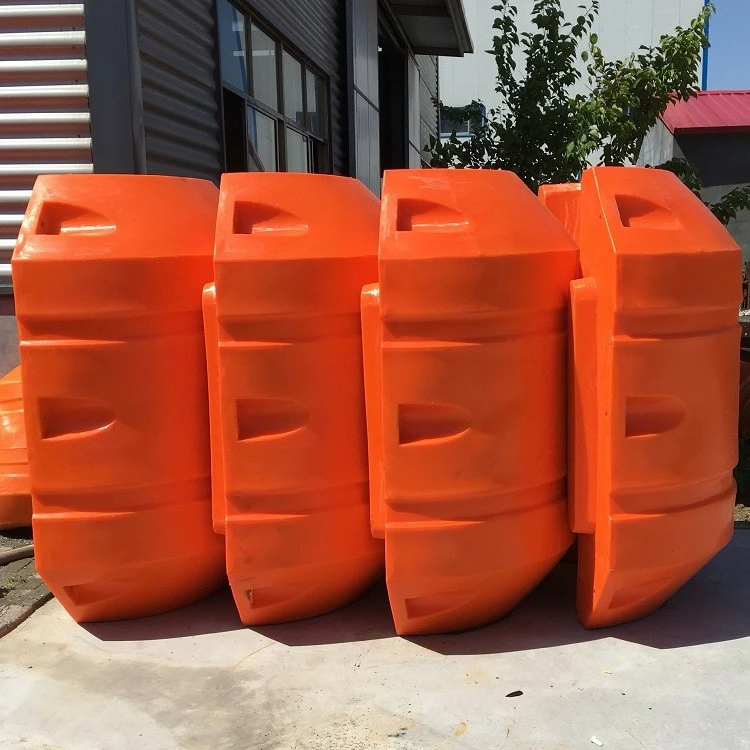

As mentioned earlier, HDPE is highly resistant to UV radiation, oxidation, and most chemicals. This makes it an ideal material for use in outdoor and marine applications. In addition to the inherent environmental resistance of HDPE, some pipe floats may also be treated with additional coatings or additives to enhance their environmental resistance.
For example, some floats may be coated with a UV-resistant paint or a protective film to prevent damage from sunlight. Others may be treated with a chemical-resistant coating to protect them from exposure to chemicals or other corrosive substances.
Customization Options
As a supplier of HDPE pipe floats, I understand that different customers may have different requirements and applications. To meet these diverse needs, we offer a wide range of customization options for our HDPE pipe floats.
We can customize the size, shape, and color of the pipe floats to match the specific requirements of our customers. For example, we can produce floats in different diameters and lengths to fit different pipe sizes. We can also produce floats in different colors to match the color scheme of the pipes or the surrounding environment.
In addition to the basic customization options, we can also customize the buoyancy, structural design, and connection design of the pipe floats. For example, we can design floats with a higher buoyancy for applications where the pipes are heavier or where the water conditions are more challenging. We can also design floats with a reinforced structure for applications where the floats need to withstand higher loads and pressures.
Applications
HDPE pipe floats have a wide range of applications in various industries. Some of the most common applications include:
- Dredging: Dredging Hose Float are used to support the dredging hoses and keep them afloat in the water. The floats help to prevent the hoses from sinking or getting damaged, ensuring efficient dredging operations.
- Water Supply and Drainage: HDPE pipe floats are used to support the water supply and drainage pipes in rivers, lakes, and other water bodies. The floats help to keep the pipes above the water level, preventing them from being submerged and damaged by the water.
- Mining: Pipe Float For Mining Tailings are used to support the pipes used for transporting mining tailings. The floats help to keep the pipes floating on the surface of the tailings pond, preventing them from sinking and getting clogged.
- Aquaculture: HDPE pipe floats are used to support the pipes used for water circulation and aeration in aquaculture farms. The floats help to keep the pipes in place and ensure efficient water flow, which is essential for the health and growth of the fish and other aquatic organisms.
Conclusion
In conclusion, the design features of HDPE pipe floats play a crucial role in their performance and durability. The use of high-density polyethylene, the buoyancy design, the structural design, the connection design, the environmental resistance, and the customization options all contribute to making HDPE pipe floats a reliable and cost-effective solution for a wide range of applications.
As a supplier of HDPE pipe floats, we are committed to providing our customers with high-quality products that meet their specific requirements. Whether you need Plastic Pipe Float for a small-scale project or large quantities of floats for a major industrial application, we have the expertise and resources to meet your needs.
If you are interested in learning more about our HDPE pipe floats or would like to discuss your specific requirements, please do not hesitate to contact us. We look forward to working with you to provide the best pipe float solutions for your project.
References
- ASTM International. (2017). Standard Specification for High-Density Polyethylene (HDPE) Plastic Molding and Extrusion Materials. ASTM D4101-17.
- ISO 4427:2012. Plastics pipes and fittings for water supply - Polyethylene (PE).
- Smith, J. (2019). The Use of HDPE Pipe Floats in Marine Applications. Journal of Marine Engineering and Technology, 15(2), 34-42.