

As a supplier of other pipe floats, I've witnessed firsthand the concerns and inquiries from our customers regarding the impact of extreme weather conditions on these essential products. In this blog, I'll delve into the science behind how extreme weather can affect other pipe floats, drawing on our experiences and industry knowledge.
Understanding Other Pipe Floats
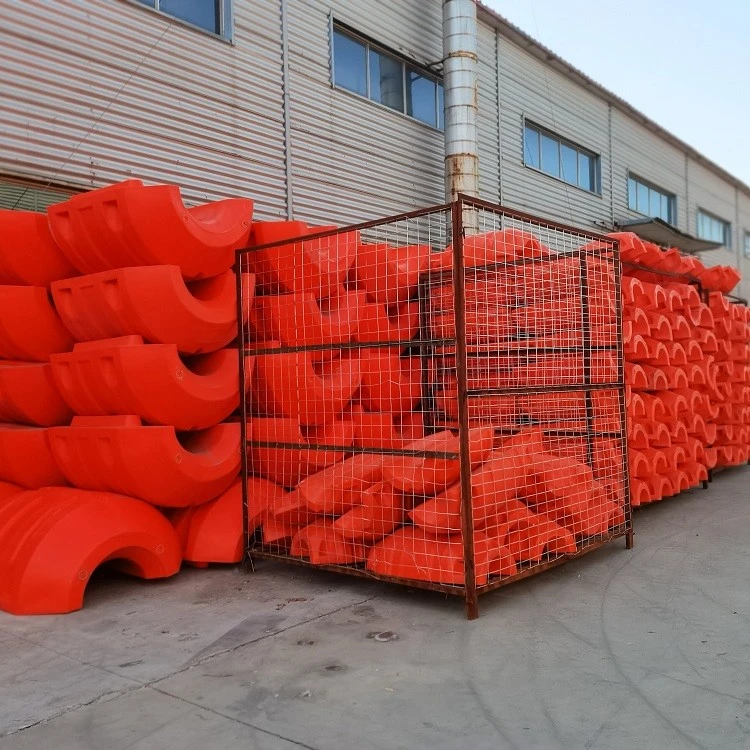
Before we explore the impact of extreme weather, let's briefly understand what other pipe floats are. These are specialized floating devices designed to support pipes, cables, and other underwater or water - surface structures. We offer a diverse range of other pipe floats, including Different Size Pipe Float, Electric Cable Float, and Pipe Float with Rubber Strip. Each type is engineered to meet specific requirements in various environments.
Extreme Heat
Extreme heat can have several effects on other pipe floats. Most pipe floats are made from polymers such as polyethylene or polypropylene. These materials have a certain melting point and thermal expansion coefficient. When exposed to high temperatures, the first noticeable effect is thermal expansion.
The increase in temperature causes the molecules in the polymer to vibrate more vigorously, leading to an expansion of the material. This can result in a change in the dimensions of the pipe float. For example, if a pipe float is precisely engineered to fit a specific pipe diameter, thermal expansion may cause it to become loose, reducing its effectiveness in supporting the pipe.
In addition, prolonged exposure to extreme heat can lead to degradation of the polymer material. UV radiation often accompanies high - temperature conditions. UV rays can break the chemical bonds in the polymer, causing it to become brittle over time. This brittleness makes the pipe float more susceptible to cracking and damage, especially when subjected to mechanical stress such as waves or the movement of the supported pipe.
Extreme Cold
On the other end of the temperature spectrum, extreme cold also poses challenges for other pipe floats. Polymers become more rigid in cold conditions. As the temperature drops, the molecular motion within the polymer slows down, and the material loses its flexibility.
A rigid pipe float is more likely to crack when it encounters external forces. For instance, in icy waters, ice floes can collide with the pipe floats. A float that has lost its flexibility due to cold temperatures may shatter upon impact, rendering it useless. Cold - induced cracking can also occur due to the contraction of the material. Just as it expands in heat, a pipe float contracts in cold weather. If the contraction is uneven or if the float is constrained in some way, internal stresses can build up, leading to cracks.
High Winds and Storms
High - wind conditions, often associated with storms, can cause significant problems for pipe floats. Strong winds generate large waves on the water surface. These waves exert substantial forces on the pipe floats and the pipes they support.
The first issue is the potential for the pipe floats to be displaced. High - energy waves can push the floats out of their intended positions. This is especially critical in applications where the precise alignment of pipes is necessary, such as in offshore oil and gas pipelines.
Moreover, the impact of large waves can cause mechanical damage to the pipe floats. The repeated pounding of waves can wear down the surface of the floats, leading to abrasion. In severe cases, the force of the waves can break the floats into pieces. If the pipe floats are attached to cables, high winds can also cause the cables to sway violently, putting additional stress on the floats and their attachment points.
Heavy Rain and Floods
Heavy rain and floods can also affect other pipe floats. One of the main concerns is waterlogging. If the pipe floats have any openings or if there are defects in their construction, water can seep inside. Once waterlogged, the weight of the pipe float increases significantly.

An overweight pipe float may sink below the water surface, which defeats its purpose of providing buoyancy. In addition, the presence of water inside the float can cause corrosion if the float has any metal components, such as fasteners or brackets. Corrosion weakens the structure of the float and can lead to its failure over time.
Mitigating the Effects of Extreme Weather
To address these challenges, we at our company take several measures in the design and manufacturing of other pipe floats.
For heat resistance, we use additives in the polymer materials. These additives can enhance the thermal stability of the polymer, reducing the degree of thermal expansion and protecting it from UV - induced degradation. We also apply special coatings on the surface of the floats to reflect UV radiation and provide an additional layer of protection.
To combat the effects of cold, we incorporate plasticizers into the polymer formulation. Plasticizers help to maintain the flexibility of the material at low temperatures, reducing the risk of cracking.
In terms of withstanding high winds and storms, we design our pipe floats with reinforced structures. For example, we may add internal ribs or use thicker walls to increase the strength of the floats. We also develop advanced attachment systems that can better withstand the forces exerted by waves and wind.
To prevent waterlogging, our pipe floats are designed with a sealed construction. We use high - quality gaskets and seals to ensure that no water can enter the floats.
Conclusion
In conclusion, extreme weather conditions can have a significant impact on other pipe floats. From thermal expansion and degradation in high - temperature environments to cracking in cold weather, and from displacement and damage in high - wind conditions to waterlogging in heavy rain, there are multiple challenges to overcome.
However, through careful design, material selection, and manufacturing processes, we can minimize these effects and provide reliable pipe floats that can withstand a wide range of weather conditions.
If you are in need of high - quality other pipe floats that are designed to resist the challenges of extreme weather, we are here to help. Our team of experts can provide you with detailed information and customized solutions based on your specific requirements. Whether you need Different Size Pipe Float, Electric Cable Float, or Pipe Float with Rubber Strip, we have the products and knowledge to meet your needs. Contact us today to start a discussion about your pipe - floating requirements and explore how we can work together to ensure the success of your project.
References
- Ashby, M. F., & Jones, D. R. H. (2012). Engineering Materials 1: An Introduction to Properties, Applications, and Design. Butterworth - Heinemann.
- Brown, R. F. (2005). Introduction to Polymers. Wiley.
- Callister, W. D., & Rethwisch, D. G. (2011). Materials Science and Engineering: An Introduction. Wiley.