

Hey there! I'm a supplier of Marine Marker Buoys, and today I want to have a chat with you about whether these buoys can be used for aquaculture.
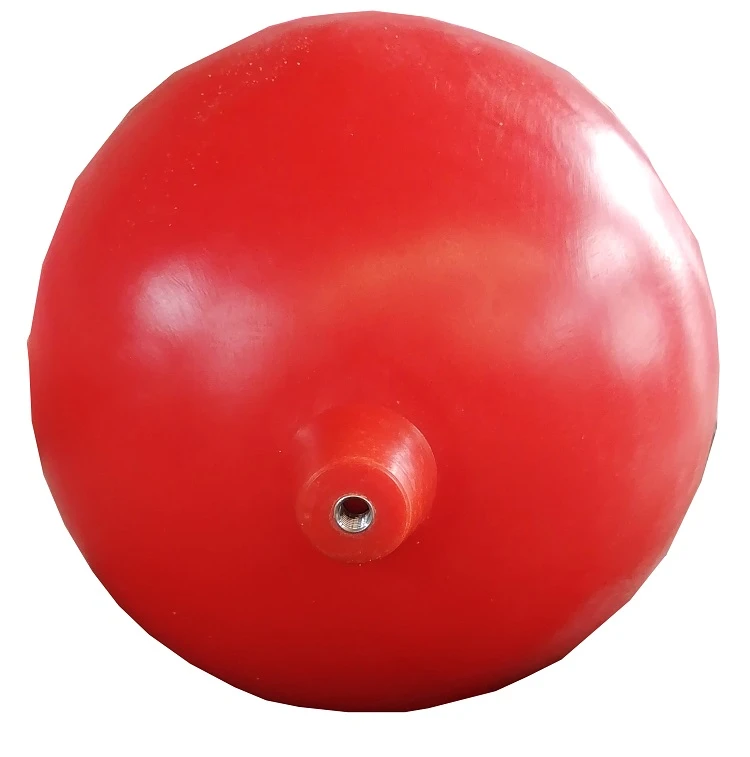
First off, let's get to know what marine marker buoys are. Marine Marker Buoys are floating devices placed in the water to mark specific locations, areas, or hazards. They come in various shapes, sizes, and colors, and each type has its own unique features and functions. You can check out more about them on our website Marine Marker Buoys.

Now, let's dig into the world of aquaculture. Aquaculture is the farming of fish, shellfish, and other aquatic organisms. It's a huge industry that plays a vital role in feeding the world's growing population. With the increasing demand for seafood, aquaculture has been expanding rapidly in recent years. But it also faces a lot of challenges, like proper management of fish farms, protecting the environment, and ensuring the safety of the workers.
So, can marine marker buoys be used for aquaculture? The answer is a big yes! Here are some of the ways these buoys can be super useful in aquaculture.
1. Marking Aquaculture Zones
One of the most obvious uses of marine marker buoys in aquaculture is to mark the boundaries of fish farms. By placing buoys around the perimeter of the farm, it becomes clear where the aquaculture area starts and ends. This is important for several reasons.
For one thing, it helps other boats and vessels in the area to avoid accidentally entering the fish farm. This reduces the risk of collisions with the nets, cages, or other equipment used in the aquaculture operation. It also helps the aquaculture farmers to keep track of their own property and ensure that no one is encroaching on their space.
We have a great option called Marker Buoys with Both End Eyes. These buoys are really easy to install and can be securely attached to ropes or chains. They are highly visible and can clearly define the boundaries of the aquaculture zone.
2. Identifying Different Types of Aquaculture Areas
In a large aquaculture farm, there may be different areas for different purposes. For example, there could be areas for growing different species of fish, or areas for breeding, nursing, or fattening the fish. Marine marker buoys can be used to identify these different areas.
By using buoys of different colors or shapes, it becomes easy to tell which area is which. This helps the farmers to manage their operations more efficiently. They can quickly find the area they need to work in and ensure that the right procedures are being followed in each area.
3. Monitoring Water Quality
Some advanced marine marker buoys can be equipped with sensors to monitor water quality parameters such as temperature, pH, dissolved oxygen, and salinity. These sensors can transmit the data wirelessly to a central monitoring station.
In aquaculture, water quality is crucial for the health and growth of the fish. By continuously monitoring the water quality, farmers can detect any changes or problems early on and take appropriate measures. For example, if the dissolved oxygen level drops too low, the farmers can increase the aeration in the water to prevent the fish from suffocating.
4. Safety and Navigation
Marine marker buoys also play an important role in ensuring the safety of the workers in the aquaculture farm. They can be used to mark the location of underwater structures, such as anchor points or pipes, which could pose a danger to boats or divers.
Anchor Marker Buoy is a great example. It clearly marks the position of the anchor, so that boats can avoid hitting it. This reduces the risk of damage to the boats and the aquaculture equipment, and also protects the workers from potential accidents.
5. Environmental Protection
In aquaculture, it's important to minimize the impact on the surrounding environment. Marine marker buoys can help with this. By clearly marking the aquaculture area, it becomes easier to control the waste and pollution generated by the farm.
For example, the buoys can be used to mark the location of waste collection points or areas where the water is being treated. This ensures that the waste is properly managed and does not contaminate the surrounding water.
Challenges and Considerations
Of course, using marine marker buoys in aquaculture also comes with some challenges. One of the main challenges is the durability of the buoys. They need to be able to withstand the harsh marine environment, including strong winds, waves, and saltwater corrosion.
Another challenge is the cost. High - quality buoys with advanced features such as sensors can be quite expensive. However, in the long run, the benefits they provide in terms of improved efficiency, safety, and environmental protection often outweigh the costs.
When choosing marine marker buoys for aquaculture, it's important to consider the specific needs of the farm. Factors such as the size of the farm, the type of aquaculture operation, and the local environmental conditions should all be taken into account.
Conclusion
In conclusion, marine marker buoys can be extremely useful in aquaculture. They can help with marking zones, identifying different areas, monitoring water quality, ensuring safety and navigation, and protecting the environment.
As a supplier of Marine Marker Buoys, I'm really excited about the potential of these buoys in the aquaculture industry. We offer a wide range of buoys to meet different needs and budgets. Whether you're a small - scale aquaculture farmer or a large - scale commercial operation, we have the right buoys for you.
If you're interested in using marine marker buoys for your aquaculture farm, I'd love to have a chat with you. We can discuss your specific requirements and find the best solutions for your business. So, don't hesitate to reach out and start a conversation about your aquaculture buoy needs.
References
- FAO. (2022). The State of World Fisheries and Aquaculture 2022. Rome: FAO.
- NOAA. (2023). Marine Navigation Aids. National Oceanic and Atmospheric Administration.