

Hey there! As a supplier of agricultural chassis, I've often gotten questions about how these specialized chassis stack up against regular vehicle chassis. So, let's dig into it and break down the differences, advantages, and when you might want to choose one over the other.
Design and Structure
First off, let's talk about design. Regular vehicle chassis, like those in cars or trucks we see on the roads every day, are built mainly for smooth asphalt and concrete surfaces. They're designed to provide a comfortable ride for passengers or to carry a specific amount of load on well - maintained roads. The suspension systems in regular vehicles are tuned to absorb shocks from small bumps and potholes, ensuring a stable and relatively quiet ride.
On the flip side, agricultural chassis have a completely different design goal. They need to handle the rough and uneven terrain of farms. Fields can be muddy, rocky, or have large ruts, so an agricultural chassis must be rugged and durable. The frame is usually heavier and more robust, made to withstand the constant jolts and stresses from off - road use. For example, the beams and cross - members in an agricultural chassis are often thicker and made from high - strength steel to prevent bending or breaking when going over large obstacles.
Suspension Systems
The suspension is a key area where these two types of chassis diverge. In a regular vehicle, the suspension is all about comfort and handling on paved roads. Independent suspension systems are common, allowing each wheel to move up and down independently. This helps keep the tires in contact with the road, improving traction and steering control. It also reduces the transfer of vibrations to the cabin, making for a more pleasant driving experience.
Agricultural chassis, however, require a suspension system that can cope with extreme unevenness. Many agricultural vehicles use a more basic, yet highly effective, leaf spring suspension. Leaf springs are made up of multiple layers of metal strips stacked on top of each other. They can handle large vertical movements and heavy loads. This type of suspension is simple, reliable, and easy to maintain, which is crucial in a farm environment where quick repairs are often needed.
Power and Drivetrain
When it comes to power, regular vehicles are designed to operate efficiently at different speeds on roads. Most cars and trucks have engines that are optimized for a range of RPMs, allowing them to accelerate quickly from a stop and maintain a steady speed on the highway. The drivetrain in a regular vehicle is usually set up for either front - wheel drive, rear - wheel drive, or all - wheel drive, depending on the vehicle's purpose.
Agricultural chassis, on the other hand, need a lot of low - end torque. Tractors and other farm vehicles often have to pull heavy implements, like plows or harvesters, at slow speeds. So, their engines are designed to produce high torque at low RPMs. In terms of drivetrain, many agricultural vehicles use four - wheel drive as standard. This provides maximum traction in soft or slippery soil conditions, ensuring that the vehicle can move forward even when pulling a heavy load.
Utility and Functionality
Regular vehicles are mainly used for transportation of people or goods on public roads. They come in different sizes and configurations, from compact cars for city driving to large trucks for hauling freight. Their functionality is focused on getting from point A to point B efficiently and safely.
Agricultural chassis are built for a wide range of farming tasks. They can be fitted with various attachments, such as mowers, tillers, or sprayers. This modularity is a huge advantage on the farm, as one vehicle can be used for multiple purposes throughout the year. For instance, a tractor with a front - end loader can be used for moving hay bales in the winter and then fitted with a seeder in the spring for planting crops.
Cost and Maintenance
Cost is always a consideration when choosing between an agricultural chassis and a regular vehicle chassis. Regular vehicles are mass - produced, which usually means they are more affordable upfront. The cost of parts and maintenance is also generally lower because there is a large market for replacement parts, and mechanics are well - trained to work on them.
Agricultural chassis, however, are often more expensive. The specialized design, heavy - duty components, and lower production volumes all contribute to a higher price tag. Maintenance can also be more costly and time - consuming. The parts are often larger and more complex, and finding the right replacement can be a challenge, especially in remote areas. But in the long run, the durability and functionality of an agricultural chassis can make it a worthwhile investment for farmers.
Safety Considerations
Safety is important in both regular vehicles and those with agricultural chassis. Regular vehicles are subject to strict safety regulations, with features like airbags, anti - lock brakes, and stability control systems. These features are designed to protect passengers in the event of a collision on the road.

In the agricultural environment, safety is also a top priority. Agricultural vehicles need to be stable on uneven ground to prevent roll - overs. Some modern agricultural chassis are equipped with roll - over protection structures (ROPS) to protect the operator in case of an accident. Additionally, the visibility from the operator's cab is crucial, as farmers need to be aware of their surroundings while working in the fields.
When to Choose Each Type
If you're just looking for a vehicle to commute to work, run errands around town, or take a road trip, a regular vehicle chassis is the obvious choice. It offers comfort, efficiency, and a wide range of options to suit your needs.
However, if you're a farmer or involved in agricultural work, an agricultural chassis is essential. Its ability to handle rough terrain, pull heavy loads, and be fitted with different attachments makes it the workhorse of the farm. And if you're in the market for an agricultural chassis, well, that's where I come in!
Related Products
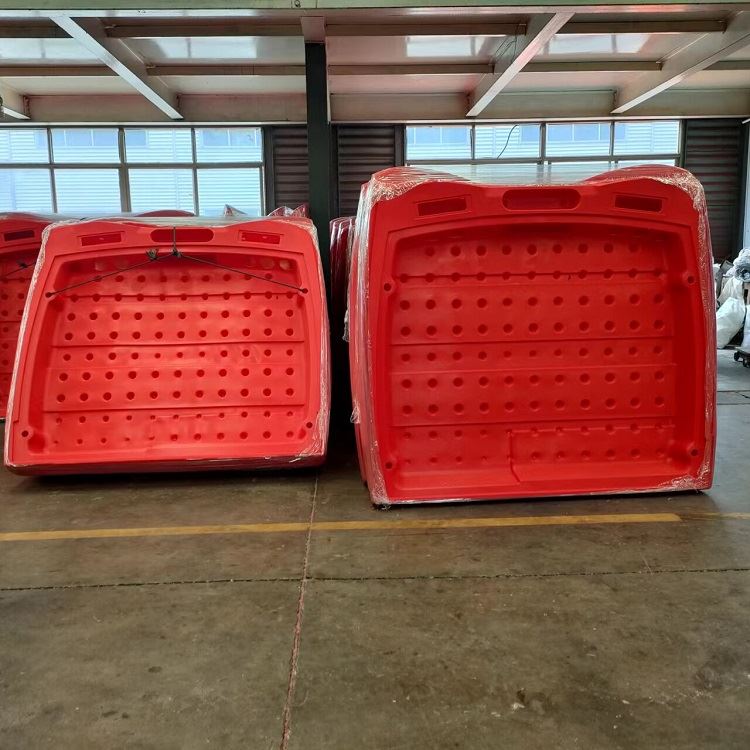
While we're on the topic of agricultural equipment, I'd also like to mention some related products. You might be interested in the Traffic Safety Barrier, which can be useful for setting boundaries on the farm or protecting workers. The Rotational Moulding Farm Machinery Ceiling is another great addition, providing protection from the elements for your farm equipment. And if you're involved in livestock farming, the Digestion Tank can help manage waste and produce biogas.
Let's Talk
If you're thinking about purchasing an agricultural chassis or have any questions about how it can fit into your farming operation, I'd love to chat. I've got a wide range of options to suit different needs and budgets, and I can provide you with all the information you need to make an informed decision. Just reach out, and we can start the conversation about finding the perfect agricultural chassis for you.
References
- "Automotive Chassis Design: Principles and Analysis" by John C. Dixon
- "Agricultural Machinery Management" by Peter C. Robert
So, there you have it - a breakdown of how an agricultural chassis compares with a regular vehicle chassis. I hope this blog has been helpful, and I look forward to hearing from you soon!