

As a supplier of Dredging Rubber Hoses, one of the most frequently asked questions I encounter is, "How long is the typical lifespan of a dredging rubber hose?" This query is crucial for our clients as it directly impacts their operational costs, efficiency, and overall project planning. In this blog, I'll delve into the factors that influence the lifespan of dredging rubber hoses and provide some general estimates to help you make informed decisions.
Understanding Dredging Rubber Hoses
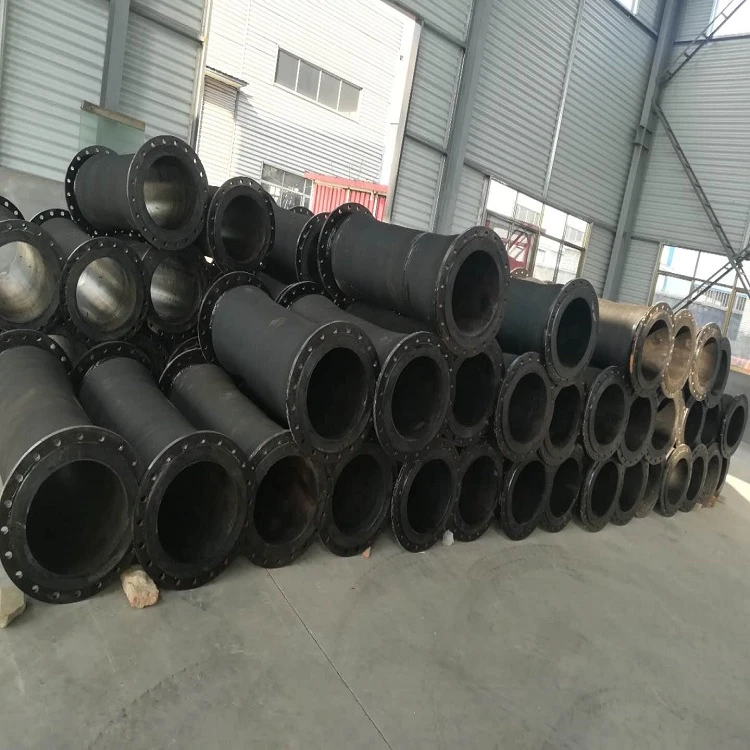
Before we discuss the lifespan, let's briefly understand what dredging rubber hoses are. Dredging rubber hoses, such as the Dredging Rubber Hose, are essential components in dredging operations. They are designed to handle the transfer of abrasive materials like sand, gravel, and mud from the dredging site to the desired location. These hoses need to withstand high pressures, abrasive wear, and sometimes harsh environmental conditions.
Factors Affecting the Lifespan of Dredging Rubber Hoses
1. Material Quality
The quality of the rubber used in the hose construction is a primary determinant of its lifespan. High - quality rubber compounds are more resistant to abrasion, chemicals, and weathering. At our company, we use premium rubber materials that are carefully selected and tested to ensure maximum durability. For example, our Flexible Dredge Rubber Hose is made from a special rubber blend that offers excellent flexibility without compromising on strength.
2. Operating Conditions
The conditions under which the hose operates play a significant role in its longevity. If the hose is used to transfer highly abrasive materials, such as sharp - edged gravel, it will experience more wear and tear compared to hoses used for less abrasive materials like fine sand. Additionally, the pressure at which the material is pumped through the hose also affects its lifespan. Higher pressures can cause the rubber to stretch and fatigue more quickly.
3. Installation and Maintenance
Proper installation is crucial for the long - term performance of dredging rubber hoses. Incorrect installation, such as kinking or over - tightening the hose connections, can lead to premature failure. Regular maintenance, including inspections for signs of wear, damage, and proper cleaning, can significantly extend the hose's lifespan. For instance, if a hose is regularly cleaned to remove abrasive particles that may be stuck inside, it will reduce the internal wear.
4. Environmental Factors
Environmental conditions can also impact the lifespan of dredging rubber hoses. Exposure to extreme temperatures, sunlight, and chemicals can cause the rubber to degrade over time. Hoses used in saltwater environments may be more prone to corrosion and degradation compared to those used in freshwater.
Typical Lifespan Estimates
Based on our experience and industry data, the typical lifespan of a dredging rubber hose can vary widely depending on the factors mentioned above. In general, for hoses used in relatively mild conditions, such as transferring fine sand at low pressures in a freshwater environment, the lifespan can range from 1 to 2 years. These hoses are often well - maintained and not subjected to excessive wear.
On the other hand, hoses used in harsh conditions, such as transferring highly abrasive gravel at high pressures in a saltwater environment, may have a lifespan of only 3 to 6 months. These hoses are under constant stress and are more likely to experience rapid wear and damage.
It's important to note that these are just rough estimates, and the actual lifespan of a dredging rubber hose can be significantly different based on the specific circumstances of its use.
Choosing the Right Dredging Rubber Hose
When selecting a dredging rubber hose, it's essential to consider the operating conditions and the expected lifespan. Our company offers a wide range of Differenct Size Discharge Rubber Hose to meet the diverse needs of our clients. We can help you choose the right hose based on your specific requirements, ensuring that you get the best value for your investment.

Extending the Lifespan of Dredging Rubber Hoses
Here are some tips to extend the lifespan of your dredging rubber hoses:
- Proper Installation: Ensure that the hose is installed correctly, following the manufacturer's guidelines. Avoid kinking or over - tightening the connections.
- Regular Inspections: Conduct regular inspections to check for signs of wear, damage, or leaks. Replace any damaged parts immediately to prevent further damage.
- Cleaning: Clean the hose regularly to remove abrasive particles and other debris that may cause internal wear.
- Proper Storage: When not in use, store the hose in a cool, dry place away from direct sunlight and chemicals.
Conclusion
The lifespan of a dredging rubber hose is influenced by multiple factors, including material quality, operating conditions, installation, maintenance, and environmental factors. While it's difficult to provide an exact lifespan, by understanding these factors and taking appropriate measures, you can maximize the lifespan of your dredging rubber hoses.
If you're in the market for high - quality dredging rubber hoses, we're here to help. Our team of experts can assist you in selecting the right hose for your specific needs and provide guidance on installation and maintenance. Contact us today to discuss your requirements and start a conversation about how we can support your dredging operations.
References
- Industry reports on dredging equipment and rubber hoses
- Internal company data on hose performance and lifespan