

Hey there! As a supplier of Dredging Cable Floats, I often get asked a bunch of questions about where and how these floats can be used. One question that pops up quite a bit is whether dredging cable floats can be used in icy water conditions. Let's dig into this topic and see what we can find out.

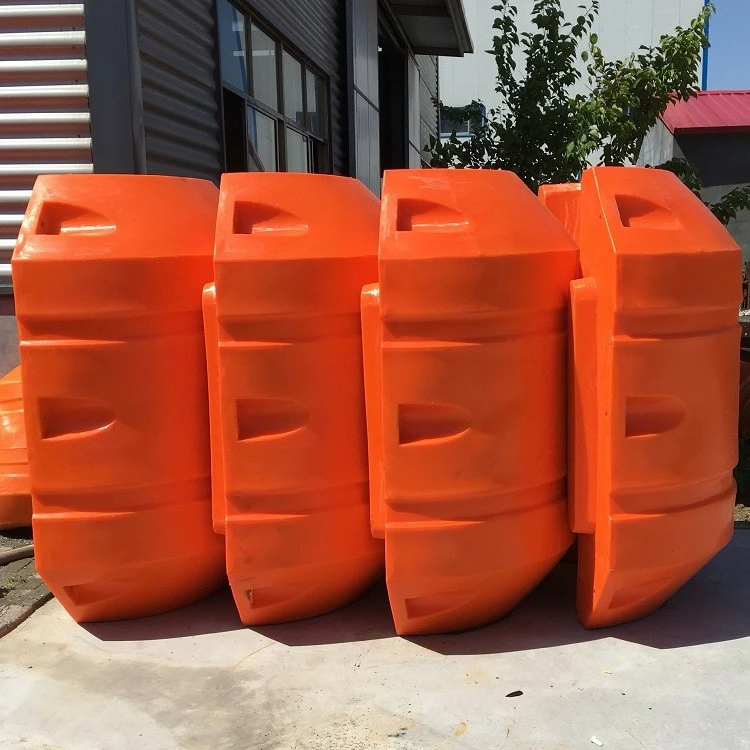
First off, let's understand what dredging cable floats are. These are essential tools in the dredging industry. They help keep the cables afloat, ensuring that the dredging equipment can operate smoothly. We offer a variety of floats, like the PU Foamed Filled Dredging Pipe Float, Dredging Hose Float, and HDPE Pipe Float. Each type has its own unique features and benefits, but they all serve the same basic purpose: to provide buoyancy for the cables used in dredging operations.
Now, let's talk about icy water conditions. Icy water is a whole different ballgame compared to regular water. The cold temperature can make the water denser, and of course, there's the presence of ice. Ice can be a real pain in the neck for dredging cable floats. It can cause physical damage to the floats. Sharp ice edges can scratch, chip, or even puncture the floats. If the float gets punctured, it can lose its buoyancy, and that's a big problem for the dredging operation.
Another issue is the effect of cold temperatures on the materials used in the floats. Most dredging cable floats are made from materials like plastic, rubber, or foam. Cold temperatures can make these materials more brittle. For example, a plastic float that's flexible at normal temperatures might become rigid and prone to cracking in icy water. This reduces the float's lifespan and can lead to costly replacements.
But it's not all doom and gloom. There are ways to use dredging cable floats in icy water conditions. One option is to use floats made from materials that are more resistant to cold and ice. Some advanced plastics and rubber compounds are designed to maintain their flexibility and strength even in extremely cold temperatures. These materials can withstand the impact of ice and the stress of cold water without breaking down easily.
We also need to consider the design of the floats. Floats with a more robust and rounded design are better able to withstand the impact of ice. A rounded shape reduces the chances of ice getting caught on sharp edges and causing damage. Additionally, floats with reinforced cores or layers can provide extra protection against ice punctures.
When using dredging cable floats in icy water, proper maintenance is crucial. Regular inspections should be carried out to check for any signs of damage. If a float is showing signs of wear or damage, it should be replaced immediately to prevent any issues during the dredging operation.
It's also a good idea to have a backup plan. In case a float fails, having spare floats on hand can minimize downtime and keep the dredging operation running smoothly.
Now, let's talk about the benefits of using dredging cable floats in icy water conditions. In some areas, dredging needs to be done year-round, even in the winter. Using floats allows the dredging equipment to operate efficiently, regardless of the water temperature. This means that projects can be completed on time, and there's no need to wait for the ice to melt.
In addition, using floats in icy water can help protect the cables from damage. Without floats, the cables would be in direct contact with the ice and cold water, which could lead to corrosion and other issues. The floats act as a buffer, keeping the cables safe and extending their lifespan.
So, can dredging cable floats be used in icy water conditions? The answer is yes, but with some precautions. By choosing the right materials, using a good design, and maintaining the floats properly, it's possible to use them effectively in cold and icy water.
If you're in the dredging industry and need dredging cable floats for your operations, whether it's in normal water or icy water conditions, we've got you covered. We offer high-quality floats that are designed to meet the demands of your project. If you're interested in learning more about our products or want to discuss your specific needs, feel free to reach out to us. We're always happy to help and look forward to working with you on your next dredging project.
References
- Dredging Industry Handbook
- Materials Science for Marine Applications