

When it comes to selecting the right HDPE straight pipe, there are numerous factors to consider. As a seasoned HDPE straight pipe supplier, I've witnessed firsthand the challenges customers face in making the best choice for their specific needs. In this blog post, I'll share some valuable insights and guidelines to help you navigate through the process and choose the ideal HDPE straight pipe for your project.
Understanding HDPE Straight Pipes
HDPE, or High - Density Polyethylene, is a thermoplastic polymer known for its high strength - to - density ratio. HDPE straight pipes are widely used in various industries due to their excellent properties such as corrosion resistance, flexibility, and long - term durability. They can be found in applications ranging from water supply systems, drainage, and sewerage to industrial fluid transportation and agricultural irrigation.
Key Factors to Consider
1. Pipe Diameter
The diameter of the HDPE straight pipe is a crucial factor. It directly affects the flow rate of the fluid or gas that will pass through the pipe. For applications with high - volume flow requirements, such as large - scale water supply projects, larger diameter pipes are necessary. On the other hand, smaller diameter pipes are suitable for applications with lower flow rates, like residential plumbing systems. When choosing the diameter, it's essential to calculate the required flow rate based on the project's specifications and consult relevant engineering standards.
2. Wall Thickness
Wall thickness determines the pipe's pressure - bearing capacity. Pipes with thicker walls can withstand higher internal pressures. In high - pressure applications, such as industrial pipelines carrying pressurized chemicals or gases, a thicker - walled HDPE straight pipe is required. However, thicker walls also mean higher material costs. So, it's important to strike a balance between the required pressure resistance and cost - effectiveness. Consider the maximum operating pressure of your system and select a pipe with an appropriate wall thickness accordingly.
3. Length
The length of the HDPE straight pipe can have a significant impact on installation efficiency and cost. Longer pipes reduce the number of joints required during installation, which can save time and labor costs. However, longer pipes may also pose challenges in transportation and handling. You can explore our Differenct Length HDPE Straight Pipe options to find the most suitable length for your project. We offer a variety of lengths to meet different customer needs.
4. Chemical Resistance
If the pipe will be used to transport chemicals, it's vital to ensure that the HDPE material has sufficient chemical resistance. Different chemicals can react with the pipe material, leading to degradation and reduced service life. Before making a selection, identify the type of chemicals that will come into contact with the pipe and consult the chemical resistance chart provided by the pipe manufacturer. Our HDPE straight pipes are tested to ensure they can withstand a wide range of chemicals, making them suitable for various industrial applications.
5. Environmental Conditions
Environmental factors such as temperature, sunlight exposure, and soil conditions can affect the performance of HDPE straight pipes. For outdoor applications, especially in areas with high sunlight exposure, consider using UV Resistance HDPE Straight Pipe. UV - resistant pipes are formulated to prevent degradation caused by ultraviolet rays, ensuring a longer service life. In cold climates, the pipe material should have good low - temperature flexibility to prevent cracking.
6. Application - Specific Requirements
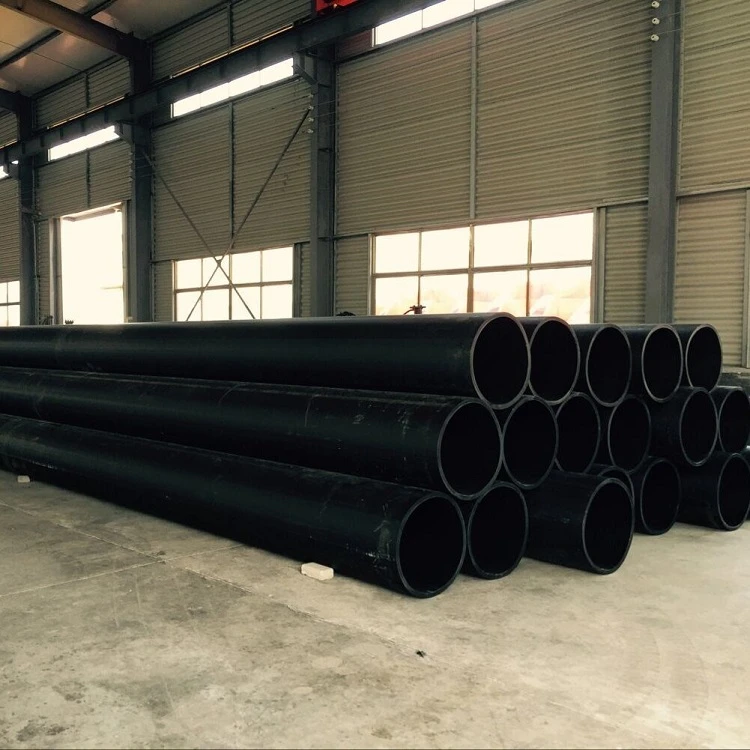
Different applications have unique requirements. For example, in dredging projects, Black Dredging HDPE Straight Pipe is often preferred due to its abrasion resistance and durability. The pipe needs to withstand the abrasive action of sediment and water during the dredging process. In agricultural irrigation, pipes need to be lightweight and easy to install, while also being able to withstand the pressure of water flow.
Quality Assurance
When choosing an HDPE straight pipe, it's important to source from a reliable supplier. A reputable supplier will have strict quality control measures in place. Look for pipes that comply with international standards such as ASTM (American Society for Testing and Materials) or ISO (International Organization for Standardization). These standards ensure that the pipes meet certain quality and performance criteria. Our company adheres to the highest quality standards in the production of HDPE straight pipes, and we provide detailed product certifications to guarantee the quality of our products.
Installation and Maintenance
Proper installation and maintenance are also crucial for the long - term performance of HDPE straight pipes. During installation, follow the manufacturer's guidelines carefully. Ensure that the pipes are properly aligned, and the joints are sealed correctly to prevent leaks. Regular maintenance, such as inspecting for signs of damage or wear, can help detect potential problems early and extend the service life of the pipes.
Cost Considerations
While cost is an important factor, it should not be the sole determining factor when choosing an HDPE straight pipe. Cheaper pipes may not meet the required quality and performance standards, which can lead to higher long - term costs due to frequent repairs or replacements. Consider the total cost of ownership, including the purchase price, installation cost, and maintenance cost over the pipe's service life.

Conclusion
Choosing the right HDPE straight pipe requires a comprehensive understanding of your project's requirements, the properties of HDPE pipes, and careful consideration of various factors such as diameter, wall thickness, length, chemical resistance, and environmental conditions. As a professional HDPE straight pipe supplier, we are committed to providing high - quality products and expert advice to help you make the best choice for your project.
If you have any questions about selecting the right HDPE straight pipe or would like to discuss your project requirements, please feel free to contact us. We look forward to working with you and providing you with the most suitable HDPE straight pipe solutions.
References
- ASTM International standards for HDPE pipes
- ISO standards related to plastic pipes and fittings
- Technical literature on HDPE materials and their applications