

Hey there! I'm a supplier of Pipe Floaters, and today I wanna share with you how to test the performance of these nifty little devices. Pipe Floaters are super important in a bunch of industries, like dredging and marine construction. They help keep pipes afloat and in place, so getting their performance right is crucial.
1. Visual Inspection
Let's start with the basics - a good old visual inspection. Before you even think about more complex tests, take a close look at the Pipe Floater. Check for any obvious signs of damage, like cracks, dents, or uneven surfaces. A damaged floater might not perform as expected and could lead to problems down the line.
For example, if you're looking at a Dredging Hose Float, make sure the outer layer is intact. Any cuts or tears could let water in, which would mess up the buoyancy. And if you spot any discoloration, it could be a sign of chemical damage or degradation.
2. Buoyancy Testing
Buoyancy is the name of the game when it comes to Pipe Floaters. After all, their main job is to keep pipes floating. To test buoyancy, you'll need a large body of water - like a pool or a small lake.
First, measure the weight of the Pipe Floater. Then, gently place it in the water and see how it behaves. It should float steadily without any signs of sinking or tilting. You can also attach a known weight to the floater and see how much extra load it can support before it starts to go under.
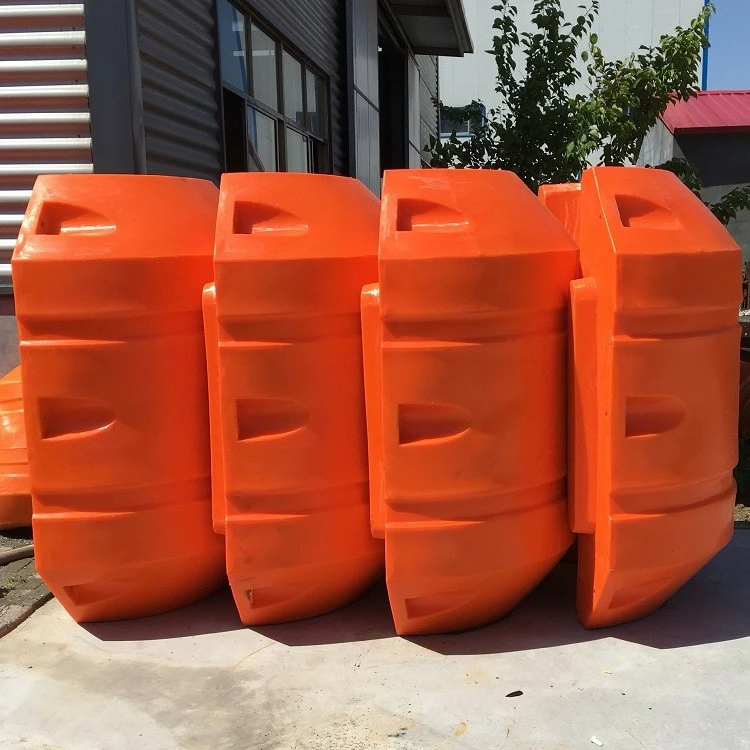
For PU Foamed Filled Dredging Pipe Float, the foam inside plays a big role in buoyancy. If the foam has been compressed or damaged, the floater might not have enough buoyancy. So, during the test, pay close attention to how the floater responds to different loads.

3. Durability Testing
Pipe Floaters have to withstand all sorts of harsh conditions, like UV rays, saltwater, and rough handling. To test durability, you can simulate these conditions in a controlled environment.
For UV resistance, you can use a UV chamber to expose the floater to intense UV light for a set period. Check for any changes in color, texture, or strength. If the floater starts to become brittle or lose its shape, it might not be suitable for long - term outdoor use.
Saltwater resistance is also important, especially for marine applications. You can soak the floater in a saltwater solution for a few weeks and then check for any signs of corrosion or degradation. For HDPE Pipe Float, HDPE is known for its good resistance to chemicals and saltwater, but it's still worth testing.
4. Impact Testing
In real - world scenarios, Pipe Floaters can get bumped into or hit by other objects. Impact testing helps you figure out how well they can handle these situations.
You can use a pendulum or a dropping weight to simulate impacts. Drop a known weight from a certain height onto the floater and see if it cracks or breaks. If the floater can withstand multiple impacts without significant damage, it's a good sign of its durability.
5. Stability Testing
Stability is crucial for Pipe Floaters, especially when they're supporting heavy pipes. To test stability, you can place the floater in a flowing body of water or use a water flow simulator.
Observe how the floater moves and stays in place. It should not spin or flip over easily. You can also attach a pipe to the floater and see how the combination behaves in the water. If the floater can keep the pipe stable even in turbulent conditions, it's doing its job well.
6. Material Testing
The materials used in Pipe Floaters can have a big impact on their performance. You can send samples of the floater to a laboratory for material testing.
They can analyze the density, hardness, and chemical composition of the materials. For example, if the outer layer of the floater is made of a certain plastic, the lab can test its tensile strength and elongation at break. This information can help you understand the overall quality and performance of the Pipe Floater.
7. Long - Term Testing
Finally, long - term testing is a great way to see how the Pipe Floater performs over time. You can install the floater in a real - world application and monitor it for months or even years.
Keep track of any changes in performance, like a decrease in buoyancy or an increase in wear and tear. This long - term data can give you a more accurate picture of the floater's reliability and lifespan.
If you're in the market for high - quality Pipe Floaters and want to learn more about our products, feel free to reach out. We're always happy to chat about how our floaters can meet your specific needs and pass all these performance tests with flying colors. Whether you're working on a small dredging project or a large - scale marine construction job, we've got the right Pipe Floaters for you. So, don't hesitate to contact us for more information and start the procurement process.
References
- ASTM International. (20XX). Standard test methods for [related material or product].
- Dredging Industry Handbook. (20XX). Published by [Publisher Name].
- Marine Construction Best Practices Guide. (20XX). Compiled by [Organization Name].