

Yo, fellow pipe enthusiasts! As a supplier of HDPE straight pipes, I've got a ton of hands - on experience with how these pipes handle all sorts of weather conditions. Today, we're gonna dig deep into how HDPE straight pipes perform in cold weather.
Let's start off by getting to know HDPE a bit better. HDPE stands for High - Density Polyethylene. It's a type of plastic that's super popular for making pipes because it's tough, long - lasting, and cost - effective. Our HDPE straight pipes are used in heaps of different applications, like water supply systems, sewage disposal, and even in industrial settings.
When it comes to cold weather, many traditional materials can take a real beating. Metals might become brittle and crack, and some plastics can lose their flexibility. But HDPE straight pipes are a different story.
One of the key factors that make HDPE so great in cold weather is its low brittle - fracture temperature. This means that even when the mercury drops, the pipe doesn't just turn into a rigid, breakable thing. In fact, HDPE can remain flexible at temperatures as low as - 40°F (- 40°C). That flexibility is crucial because it allows the pipe to expand and contract with the changing temperatures without cracking.
For example, in regions where winter temperatures can plummet, like the northern parts of the United States or Canada, our HDPE straight pipes have been performing like champs. They don't experience the kind of cold - related failures that some other materials do. This reliability is a huge plus for projects in cold areas, whether it's a municipal water main or a private home's plumbing system.
Another advantage of HDPE in cold weather is its resistance to abrasion. The cold can sometimes cause the ground to shift, and when that happens, pipes are at risk of being rubbed against rocks or other hard objects. Our Wear - resistant Straight HDPE Pipe has a high wear tolerance, even in the harshest winter conditions. This means less damage to the pipe over time, which translates to lower maintenance costs and a longer lifespan.
UV resistance is also important, even in cold weather. You might think that the sun is less of a factor during winter, but in clear - sky, snowy areas, the sun's rays can be pretty intense. UV rays can degrade some materials, but our UV Resistance HDPE Straight Pipe is designed to withstand these rays. It retains its strength and integrity, ensuring that it will keep working properly throughout the cold season and beyond.
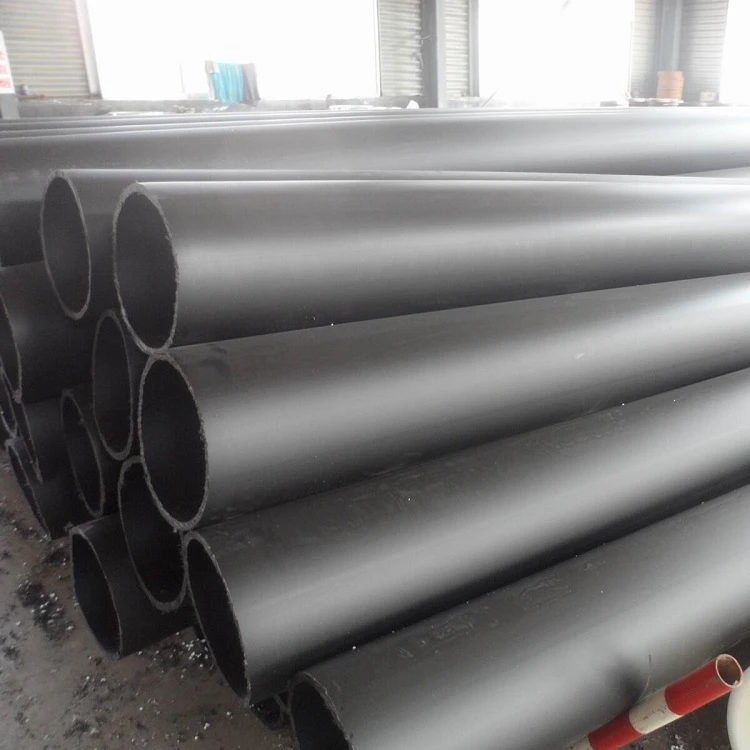
Now, let's talk about a specific application where HDPE straight pipes shine in cold weather: dredging. In cold climates, dredging operations might still need to go on, and the pipes used in these operations need to be up to the task. Our Black Dredging HDPE Straight Pipe is perfect for this. It can handle the high pressures and abrasive materials involved in dredging, even when the water and surrounding environment are freezing cold.
But it's not all sunshine and rainbows. There are a few things to keep in mind when using HDPE straight pipes in cold weather. Installation can be a bit trickier. The cold can make the pipe a bit stiffer, so you need to be extra careful when joining the pipes. Using the right joining methods, like heat fusion, is crucial. Heat fusion creates a strong, leak - proof bond between the pipes, and with proper training, it can be done effectively even in cold conditions.
Also, while HDPE is flexible in cold weather, extreme cold can still have an impact on its performance. If the temperature drops well below its recommended operating range for an extended period, the pipe might experience some reduced flexibility. However, this is usually only a concern in the most extreme cold environments, and as long as the pipes are installed and maintained properly, they should still work fine.
In terms of maintenance, HDPE straight pipes in cold weather don't require a whole lot. You just need to keep an eye on the surrounding area for any signs of ground movement or damage to the pipe. If there's a lot of snow or ice buildup around the pipe, it might be a good idea to remove it to prevent any additional stress on the pipe.
So, if you're working on a project in a cold - weather area, HDPE straight pipes are definitely worth considering. They offer a combination of flexibility, wear resistance, and UV protection that's hard to beat. Whether it's for a small residential project or a large - scale industrial application, our HDPE straight pipes can handle the cold and keep your system running smoothly.

If you're interested in learning more about our HDPE straight pipes or want to discuss a potential purchase, don't hesitate to reach out. We're here to help you find the right pipes for your needs and answer any questions you might have. Let's work together to make your project a success, even in the coldest of conditions!
References:
- "Plastics Pipe Engineering Handbook" by the Plastic Pipe Institute
- Industry research reports on HDPE pipe performance in cold climates