

When it comes to installing HDPE pipe floats, having the right tools at your disposal is crucial for a successful and efficient installation process. As a trusted HDPE pipe float supplier, I understand the significance of using appropriate tools to ensure that the installation is not only seamless but also meets the highest standards of safety and durability. In this blog post, I will discuss the essential installation tools needed for HDPE pipe floats and provide insights into their functions and importance.
Measuring Tools
Accurate measurements are the foundation of any successful installation project. Before installing HDPE pipe floats, you need to measure the pipes to determine the correct size and quantity of floats required. The following measuring tools are essential for this task:
- Tape Measure: A tape measure is a basic yet indispensable tool for measuring the length and diameter of the pipes. Make sure to use a high-quality tape measure with clear markings for accurate readings.
- Caliper: A caliper is used to measure the thickness of the pipes and the internal and external diameters of the float openings. This tool provides precise measurements, ensuring a proper fit between the pipes and the floats.
Cutting Tools
In some cases, you may need to cut the HDPE pipe floats to fit the specific requirements of your project. The following cutting tools are commonly used for this purpose:
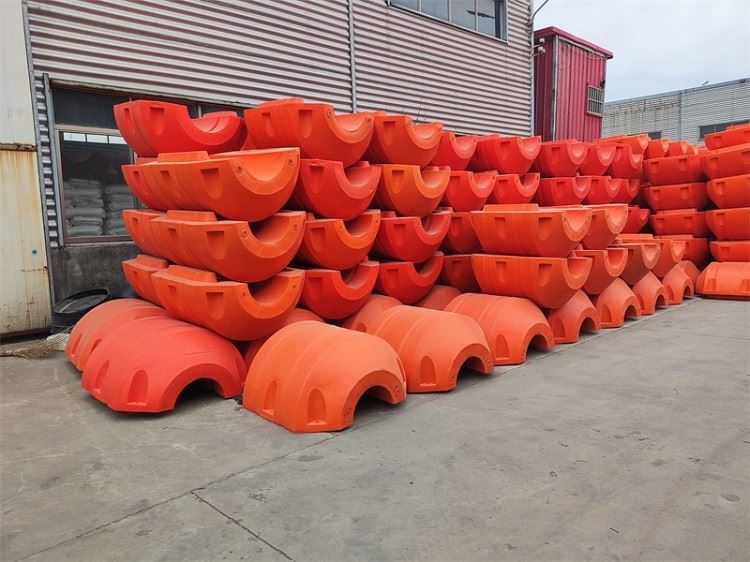

- Hacksaw: A hacksaw is a versatile cutting tool that can be used to cut HDPE pipe floats made of various materials. It is important to use a fine-toothed blade to ensure a clean and smooth cut.
- Jigsaw: A jigsaw is a power tool that can be used to make curved or irregular cuts in HDPE pipe floats. This tool is ideal for projects that require custom-shaped floats.
- Circular Saw: A circular saw is a powerful cutting tool that can be used to cut HDPE pipe floats quickly and efficiently. It is important to use a blade specifically designed for cutting plastic materials to prevent melting or cracking.
Fastening Tools
Once the HDPE pipe floats are cut to the appropriate size, you need to fasten them securely to the pipes. The following fastening tools are commonly used for this purpose:
- Screwdriver: A screwdriver is used to tighten screws and bolts that hold the HDPE pipe floats in place. Make sure to use the correct size and type of screwdriver to avoid damaging the screws or the floats.
- Wrench: A wrench is used to tighten nuts and bolts that secure the HDPE pipe floats to the pipes. It is important to use the correct size and type of wrench to ensure a proper fit and prevent over-tightening.
- Stapler: A stapler can be used to attach the HDPE pipe floats to the pipes using staples. This method is quick and easy, but it may not be as secure as using screws or bolts.
Lifting and Handling Tools
HDPE pipe floats can be heavy and bulky, especially when they are filled with foam or other materials. Therefore, it is important to use the appropriate lifting and handling tools to ensure the safety of the workers and prevent damage to the floats. The following lifting and handling tools are commonly used for this purpose:
- Forklift: A forklift is a powerful machine that can be used to lift and move heavy HDPE pipe floats. It is important to use a forklift with the appropriate capacity and attachments to ensure a safe and efficient lifting operation.
- Crane: A crane is a large and powerful machine that can be used to lift and move extremely heavy HDPE pipe floats. This tool is commonly used in large-scale installation projects.
- Hoist: A hoist is a device that can be used to lift and lower HDPE pipe floats manually or using a motor. This tool is ideal for small-scale installation projects or for lifting floats in hard-to-reach areas.
Safety Tools
Safety should always be a top priority when installing HDPE pipe floats. The following safety tools are essential for protecting the workers and preventing accidents:
- Hard Hat: A hard hat is a protective headgear that can prevent head injuries caused by falling objects or collisions.
- Safety Glasses: Safety glasses are used to protect the eyes from flying debris, dust, and other hazards.
- Gloves: Gloves are used to protect the hands from cuts, abrasions, and chemical exposure.
- Safety Harness: A safety harness is a device that can be used to prevent falls from heights. This tool is essential when working on elevated structures or near water.
Additional Tools
Depending on the specific requirements of your project, you may need to use additional tools for installing HDPE pipe floats. The following are some examples of additional tools that may be required:
- Adhesive Gun: An adhesive gun is used to apply adhesive to the HDPE pipe floats and the pipes, ensuring a strong and durable bond.
- Sealant Gun: A sealant gun is used to apply sealant to the joints between the HDPE pipe floats and the pipes, preventing water leakage and corrosion.
- Level: A level is used to ensure that the HDPE pipe floats are installed horizontally and vertically, preventing uneven distribution of weight and stress.
In conclusion, installing HDPE pipe floats requires the use of a variety of tools, each with its own specific function and importance. As a HDPE pipe float supplier, I recommend that you invest in high-quality tools and ensure that your workers are properly trained in their use. By using the right tools and following the recommended installation procedures, you can ensure a successful and efficient installation process that meets the highest standards of safety and durability.
If you are interested in purchasing HDPE pipe floats or have any questions about the installation process, please feel free to contact us. We offer a wide range of Pipe Float For Mining Tailings, Pipe Floating Pontoon, and Orange Dredging Pipe Float products to meet your specific needs. Our team of experts is always ready to assist you with your project and provide you with the best solutions.
References
- "HDPE Pipe Installation Guide," Plastic Pipe and Fittings Association.
- "Safety Guidelines for Working with HDPE Pipe Floats," Occupational Safety and Health Administration.