

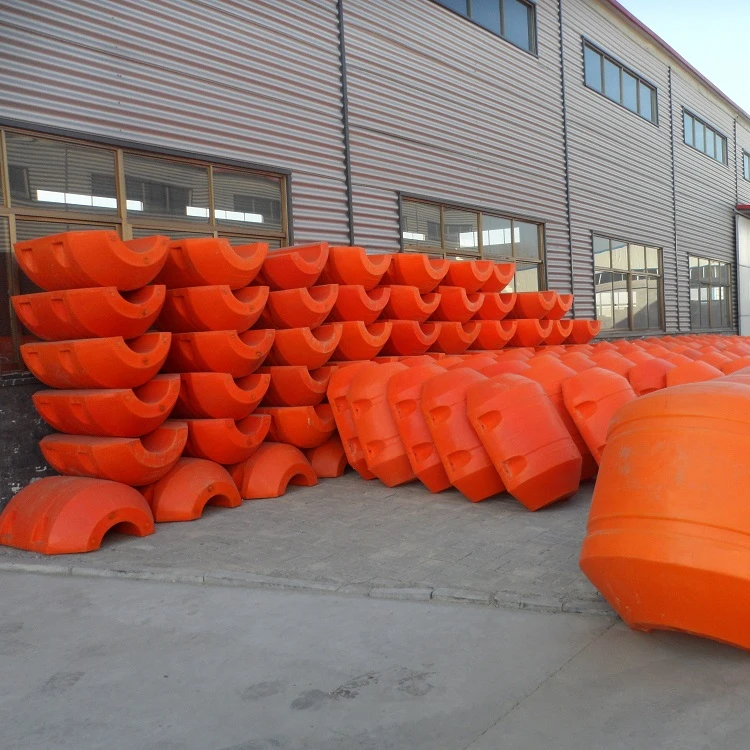
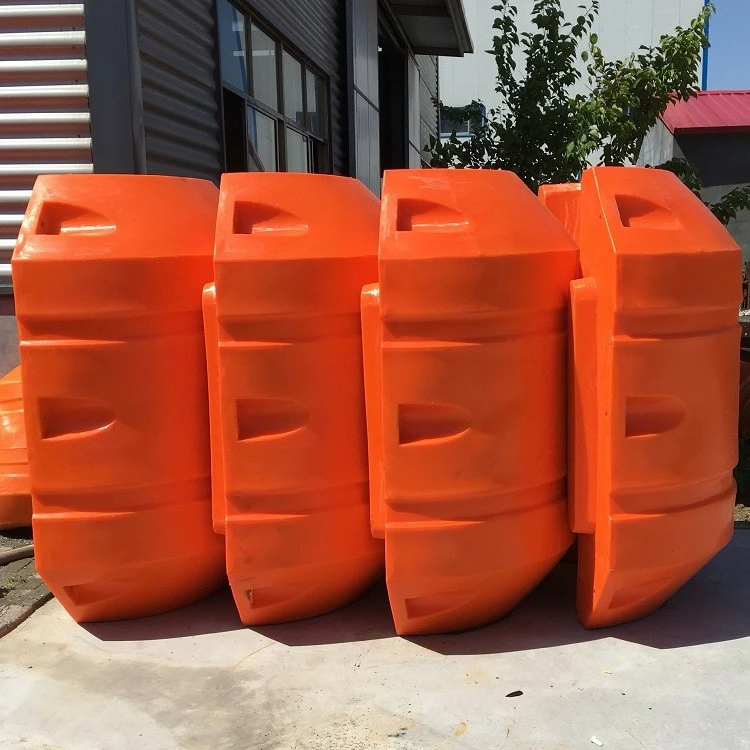
As a supplier of HDPE Pipe Floats, I've had the privilege of witnessing the wide - ranging applications and benefits of these products in various industries. HDPE (High - Density Polyethylene) Pipe Floats are renowned for their durability, buoyancy, and resistance to harsh environmental conditions. They are commonly used in aquaculture, marine construction, and dredging projects. However, like any product, HDPE Pipe Floats also have their limitations. In this blog post, I will delve into these limitations to provide a comprehensive understanding for potential buyers.
1. Limited Load - Bearing Capacity
One of the primary limitations of HDPE Pipe Floats is their load - bearing capacity. While they are designed to provide buoyancy for pipes and hoses, the amount of weight they can support is restricted. The load - bearing capacity depends on factors such as the size, thickness, and density of the float. For instance, smaller and thinner HDPE Pipe Floats may only be suitable for lightweight pipes or hoses, while larger and thicker ones can handle more substantial loads.
In dredging projects, where heavy - duty hoses are often used, the limited load - bearing capacity of HDPE Pipe Floats can be a significant drawback. Dredging Hose Float may require a high level of buoyancy to keep the hoses afloat in water. If the load - bearing capacity of the float is insufficient, it can lead to the sinking of the hose or uneven distribution of weight, which may cause damage to the hose and disrupt the dredging operation.
2. Vulnerability to Extreme Temperatures
HDPE is a thermoplastic material, and its physical properties can be affected by extreme temperatures. In extremely cold conditions, HDPE Pipe Floats can become brittle and more prone to cracking. The low - temperature brittleness of HDPE is a well - known issue. When the temperature drops below a certain level, the polymer chains in the HDPE become less flexible, reducing the float's ability to withstand impact and stress.
Conversely, in high - temperature environments, HDPE Pipe Floats may experience softening and deformation. Prolonged exposure to high temperatures can cause the float to lose its shape and buoyancy. For example, in regions with hot climates or near industrial facilities where high - temperature waste water is discharged, the performance of HDPE Pipe Floats may be compromised. This vulnerability to extreme temperatures limits the use of HDPE Pipe Floats in environments with significant temperature variations.
3. Chemical Resistance Limitations
Although HDPE is generally resistant to many chemicals, there are still some substances that can cause damage to HDPE Pipe Floats. Strong oxidizing agents, such as concentrated nitric acid and hydrogen peroxide, can react with HDPE and cause degradation of the material. Solvents like benzene, toluene, and chloroform can also dissolve or swell HDPE, leading to a loss of structural integrity.
In industrial settings where pipes are used to transport chemicals, the chemical resistance limitations of HDPE Pipe Floats need to be carefully considered. If the floats come into contact with incompatible chemicals, it can result in leaks, cracks, or even complete failure of the float. This can pose a significant risk to the environment and the safety of the operation.
4. UV Degradation
Exposure to ultraviolet (UV) radiation from the sun can cause degradation of HDPE Pipe Floats. UV rays can break down the polymer chains in HDPE, leading to a loss of strength, color fading, and surface cracking. Over time, the UV - degraded HDPE becomes more brittle and less resistant to impact.
For applications where HDPE Pipe Floats are used outdoors for extended periods, such as in aquaculture farms or coastal construction projects, UV degradation can be a major concern. To mitigate this issue, some HDPE Pipe Floats are treated with UV stabilizers. However, these treatments may only provide partial protection, and the floats still need to be regularly inspected and replaced to ensure their continued performance.
5. Installation and Maintenance Challenges
Installing HDPE Pipe Floats can be a complex and time - consuming process, especially for large - scale projects. The floats need to be properly aligned and secured to the pipes or hoses to ensure even distribution of buoyancy. Incorrect installation can lead to problems such as uneven floating, excessive stress on the pipes, and premature failure of the floats.
Maintenance of HDPE Pipe Floats also requires attention. Regular inspections are necessary to check for signs of damage, such as cracks, leaks, or wear. Any damaged floats need to be replaced promptly to prevent further issues. Additionally, cleaning the floats to remove dirt, algae, and other debris is important to maintain their buoyancy and appearance. These installation and maintenance challenges can increase the overall cost and effort associated with using HDPE Pipe Floats.
6. Limited Design Flexibility
HDPE Pipe Floats are typically available in standard sizes and shapes. While these standard products can meet the needs of many applications, there may be situations where custom - designed floats are required. However, the manufacturing process of HDPE Pipe Floats may limit the design flexibility.
For example, in some unique marine construction projects, the pipes may have non - standard diameters or shapes, and the existing HDPE Pipe Floats may not fit properly. Designing and manufacturing custom - sized or shaped floats can be expensive and time - consuming, as it may require specialized molds and production processes. This limited design flexibility can be a hindrance in projects with specific requirements.
Despite these limitations, HDPE Pipe Floats still offer many advantages, such as their cost - effectiveness, corrosion resistance, and ease of handling. At our company, we are constantly working on improving the performance of our Orange Dredging Pipe Float and Pipe Floater products. We are exploring new materials and manufacturing techniques to overcome the limitations and provide better solutions for our customers.
If you are considering using HDPE Pipe Floats for your project, it is essential to carefully evaluate the limitations and determine whether they are acceptable for your specific application. We are here to assist you in making an informed decision. Feel free to contact us to discuss your requirements and explore the possibilities of using our HDPE Pipe Floats in your project. Our team of experts will be happy to provide you with detailed information and guidance.
References
- ASTM International. (20XX). Standard specifications for high - density polyethylene (HDPE) materials for pipe and other plastic applications.
- Smith, J. (20XX). The properties and applications of high - density polyethylene. Journal of Polymer Science.
- Johnson, M. (20XX). Environmental factors affecting the performance of plastic pipe floats. Marine Engineering Journal.