

Hey there! I'm a supplier of rotomoulded products, and today I wanna chat about the cost of rotomoulded products compared to other manufacturing methods.
First off, let's get a basic understanding of rotomoulding. Rotomoulding, also known as rotational moulding, is a process where a plastic powder is placed in a mould. The mould is then heated and rotated slowly in multiple axes, causing the plastic to coat the inside of the mould evenly as it melts. Once it cools down, you've got your finished product.
Now, when it comes to cost, there are a few key areas we need to look at: tooling costs, material costs, production costs, and post - production costs.
Tooling Costs
Tooling is one of the first big expenses in any manufacturing process. In traditional manufacturing methods like injection moulding or blow moulding, the tooling costs can be sky - high. Injection moulds, for example, are often made from steel and require extremely precise machining. This precision work means that the initial investment in an injection mould can be tens of thousands of dollars, especially for complex parts.
On the other hand, rotomoulding tooling is generally much cheaper. The moulds for rotomoulding can be made from materials like aluminum, which is less expensive than the steel used in injection moulding. Also, the manufacturing process for rotomoulding moulds is less complex. You don't need to worry about high - pressure injection systems or complex cooling channels. For small - to medium - sized production runs, this can be a huge advantage. If you're looking into products like Agricultural Chassis, the lower tooling cost in rotomoulding allows for more flexibility in product development and customization.
Material Costs
The type of materials used in manufacturing also plays a big role in cost. In rotomoulding, a wide range of thermoplastics can be used, such as polyethylene (PE), polypropylene (PP), and polyvinyl chloride (PVC). These materials are relatively inexpensive compared to some of the specialized materials used in other manufacturing processes.
For example, in some high - end injection moulding applications, engineering plastics like polycarbonate or PEEK (polyether ether ketone) are used. These materials can be several times more expensive than the common plastics used in rotomoulding. Additionally, rotomoulding has a high material utilization rate. Since the plastic powder is evenly distributed in the mould, there's very little waste. In contrast, processes like injection moulding often generate a significant amount of scrap material, which adds to the overall material cost.
Production Costs
Production costs include things like labor, energy consumption, and production speed. Rotomoulding is generally a labor - friendly process. It doesn't require highly skilled operators to run the machines. The rotation and heating process is relatively simple to manage, so you don't need to pay top - dollar for experienced technicians.
In terms of energy consumption, while rotomoulding does require heating the mould, the overall energy usage is often lower compared to some other methods. For example, injection moulding requires high - pressure pumps and heaters to maintain the molten plastic at a consistent temperature, which can consume a large amount of electricity.
When it comes to production speed, rotomoulding might not be the fastest method for high - volume production. The heating and cooling cycles in rotomoulding can take some time. However, for low - to medium - volume production, the relatively slow speed is offset by the lower tooling and material costs. For products like Plastic Round Floats for Special Use, which might not require extremely high - volume production, rotomoulding offers a cost - effective solution.
Post - Production Costs
Post - production costs involve finishing touches like trimming, painting, and assembly. In rotomoulding, the parts often come out of the mould with a smooth finish, reducing the need for extensive post - processing. There are no parting lines like in injection moulding, which means less time and money spent on removing flash and smoothing edges.
In some other manufacturing methods, post - production can be a major cost factor. For example, die - casting parts often require significant machining and surface treatment to achieve the desired finish. With rotomoulded products, you can save on these additional costs. For instance, Digestion Tank made through rotomoulding can have a good surface finish right out of the mould, minimizing post - production expenses.
Cost - Benefit Analysis for Different Production Volumes
For low - volume production (less than 1,000 units per year), rotomoulding is a clear winner in terms of cost. The low tooling costs mean that you're not stuck with a huge upfront investment. The relatively simple production process and lower material costs also contribute to overall affordability.
For medium - volume production (1,000 - 10,000 units per year), rotomoulding still holds its own. While the production speed might be a bit slower compared to some other methods, the combined savings in tooling, materials, and post - production can make it a very cost - effective option.
For high - volume production (over 10,000 units per year), other methods like injection moulding might start to become more cost - effective due to their faster production speed. However, it's important to note that rotomoulding can still be a viable option if the product design requires features that are difficult to achieve with other methods, or if the cost of tooling for other methods is prohibitive.
Conclusion
So, in conclusion, the cost of rotomoulded products has its own unique advantages when compared to other manufacturing methods. The lower tooling costs, relatively inexpensive materials, and reduced post - production expenses make it a great choice for low - to medium - volume production. Even for high - volume production, there are scenarios where rotomoulding can be a cost - effective alternative.
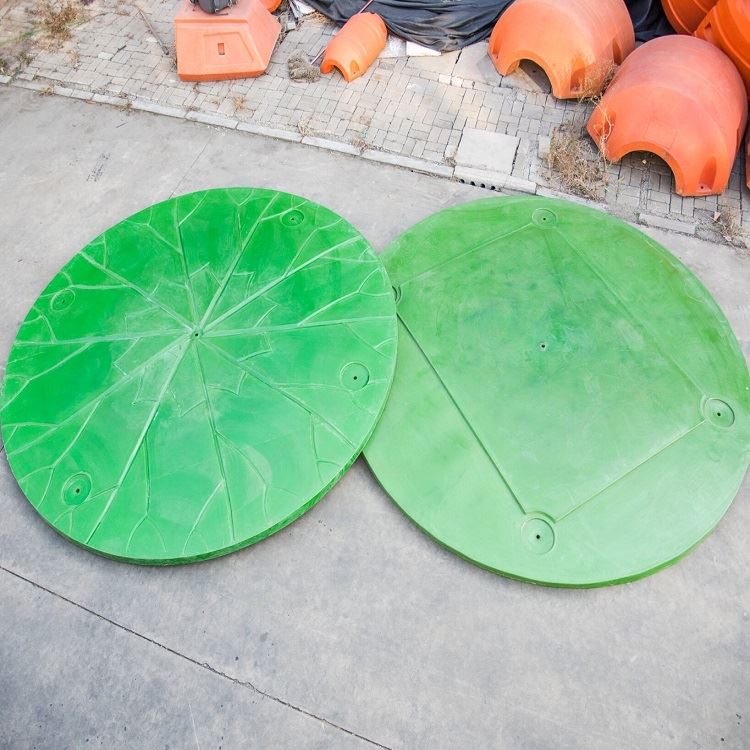

If you're in the market for rotomoulded products and want to discuss your specific needs, whether it's for Agricultural Chassis, Plastic Round Floats for Special Use, Digestion Tank, or any other custom - made rotomoulded items, I'd love to have a chat with you. Let's explore how rotomoulding can fit into your budget and production requirements.
References
- "Rotational Molding Technology" by the Society of Plastics Engineers
- "Handbook of Plastic Materials and Technology" edited by Irvin I. Rubin