

Hey there! I'm a supplier of PE pipe floaters, and I've been in this business for quite a while. Over the years, I've learned a thing or two about what can mess up these floaters. So, today, I'm gonna share with you what chemicals can damage PE pipe floaters.
First off, let's talk a bit about PE pipe floaters. They're super useful in a bunch of industries. You can find them in Pipe Floating Pontoon, Dredging Hose Float, and Pipe Float For Mining Tailings. These floaters are made from polyethylene (PE), which is a pretty tough and durable plastic. But even tough stuff can get damaged by the wrong chemicals.
Oxidizing Agents
Oxidizing agents are some of the biggest troublemakers for PE pipe floaters. These chemicals have a strong tendency to take electrons from other substances, and that includes the PE in our floaters.
One common oxidizing agent is chlorine. Chlorine is widely used in water treatment to kill bacteria and other harmful organisms. But when PE pipe floaters come into contact with high concentrations of chlorine, it can cause the polymer chains in the PE to break down. This leads to a loss of mechanical properties, like reduced strength and flexibility. The floaters might become brittle and crack easily over time.
Another oxidizing agent is hydrogen peroxide. It's used in various industrial processes, like bleaching and disinfection. Just like chlorine, hydrogen peroxide can oxidize the PE, causing it to degrade. The rate of degradation depends on the concentration of hydrogen peroxide and the temperature. Higher concentrations and warmer temperatures speed up the oxidation process.
Solvents
Solvents are another group of chemicals that can spell trouble for PE pipe floaters. Solvents have the ability to dissolve or swell polymers. When a PE floater is exposed to a solvent, the solvent molecules can penetrate the polymer matrix and disrupt the intermolecular forces holding the polymer chains together.
Aromatic solvents, such as benzene, toluene, and xylene, are particularly harmful to PE. These solvents can cause the PE to swell and lose its shape. The swelling can lead to stress on the floater, and if the stress is too high, it can cause the floater to crack or even break apart.
Halogenated solvents, like chloroform and carbon tetrachloride, can also damage PE. They have strong solvating power and can quickly dissolve the PE, especially at elevated temperatures. Even short-term exposure to these solvents can cause significant damage to the floaters.
Strong Acids and Bases
Strong acids and bases can also have a negative impact on PE pipe floaters. Acids can react with the PE and cause chemical degradation. For example, sulfuric acid is a strong acid that can dehydrate the PE, leading to the formation of carbonaceous residues and a loss of mechanical properties.
Bases, on the other hand, can cause hydrolysis of the PE. Sodium hydroxide, a common strong base, can react with the PE under certain conditions and break the polymer chains. This results in a decrease in the strength and durability of the floaters.
Petroleum Products
Petroleum products, such as gasoline, diesel, and motor oil, can also damage PE pipe floaters. These products contain a mixture of hydrocarbons and other additives that can interact with the PE.
Gasoline and diesel can cause the PE to swell and soften. The swelling can make the floaters less buoyant and more prone to damage. Motor oil, on the other hand, can penetrate the PE and cause it to become brittle over time. The additives in motor oil, such as detergents and anti - wear agents, can also react with the PE and accelerate its degradation.

How to Protect PE Pipe Floaters
Now that we know what chemicals can damage PE pipe floaters, the next question is how to protect them.
First of all, you need to identify the chemicals that the floaters might come into contact with in their intended application. If possible, try to avoid exposing the floaters to the harmful chemicals. For example, if you're using the floaters in a water treatment plant where chlorine is present, you can try to keep the chlorine concentration within a safe range.
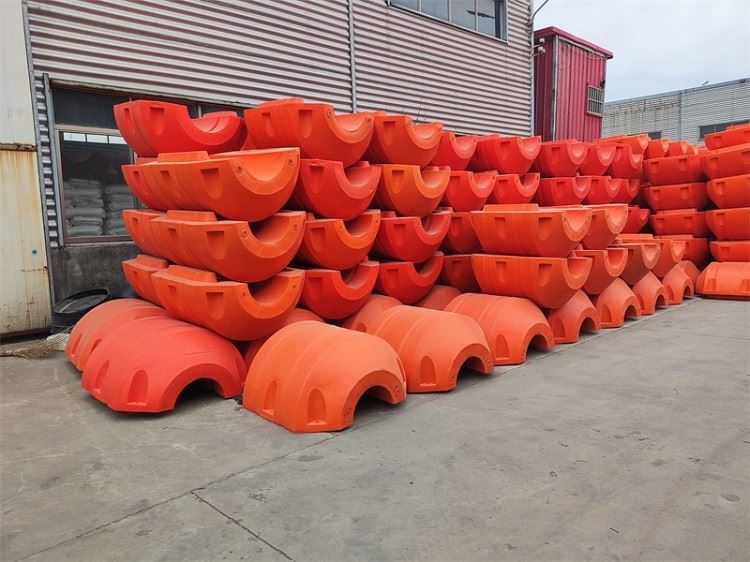
You can also use protective coatings on the floaters. There are some specialized coatings available that can provide a barrier between the PE and the chemicals. These coatings can resist the attack of oxidizing agents, solvents, acids, and bases to some extent.
Regular inspection of the floaters is also important. Check for any signs of damage, such as cracking, swelling, or discoloration. If you notice any problems, replace the damaged floaters as soon as possible to prevent further issues.
Why Choose Our PE Pipe Floaters
As a supplier of PE pipe floaters, I can tell you that our products are top - notch. We use high - quality polyethylene materials and advanced manufacturing processes to ensure the durability and performance of our floaters.
Our floaters are designed to withstand a certain level of chemical exposure. While they're not completely immune to the chemicals we've talked about, they're more resistant compared to some other products on the market.
We also offer a wide range of floaters to meet different application needs. Whether you need Pipe Floating Pontoon, Dredging Hose Float, or Pipe Float For Mining Tailings, we've got you covered.
Let's Talk Business
If you're in the market for PE pipe floaters, I'd love to have a chat with you. Whether you have questions about chemical resistance, product specifications, or pricing, I'm here to help. We can work together to find the best solution for your specific needs. So, don't hesitate to reach out and start a conversation about your procurement requirements.
References
- ASTM International. (Year). Standard test methods for plastics. West Conshohocken, PA: ASTM International.
- Polymer Handbook. (Year). Edited by Brandrup, J., Immergut, E. H., & Grulke, E. A. Wiley - Interscience.
- Chemical Resistance Guide for Plastics. (Year). Various industry sources.