

Hey there! As a supplier of HDPE straight pipes, I often get asked about the energy consumption during the production of these pipes. It's a super important topic, not just for us suppliers but also for our customers who are conscious about the environmental impact and cost - efficiency of the products they buy.
First off, let's understand what HDPE is. HDPE stands for High - Density Polyethylene. It's a thermoplastic polymer made from petroleum. We use HDPE to make straight pipes because it's strong, durable, and resistant to many chemicals. But making these pipes isn't a walk in the park; it requires a fair amount of energy.
The production process of HDPE straight pipes can be broken down into several key steps, and each step has its own energy requirements.
Raw Material Production
The first step is producing the raw HDPE material. This starts with the extraction and refining of petroleum. Crude oil is taken out from the ground, and then it goes through a refining process in a refinery. This refining is energy - intensive. Big machines are used to heat, distill, and separate the different components of crude oil. The energy comes mainly from burning fossil fuels like natural gas and coal. On average, it takes a significant amount of energy to convert crude oil into the basic polyethylene resin. Studies show that the energy consumption in this stage can account for about 30 - 40% of the total energy used in the entire HDPE straight pipe production process.
Polymerization
Once we have the basic components from the refined petroleum, the next step is polymerization. In this process, small molecules called monomers are joined together to form long chains of polymers, which is HDPE. There are different methods of polymerization, like the slurry process, gas - phase process, etc. Each method uses a specific amount of energy. For example, in the slurry process, the reaction takes place in a liquid medium, and heat and pressure need to be maintained. Specialized reactors are used, and they consume a lot of electricity to keep the reaction going at the right temperature and pressure. This step usually takes up around 20 - 30% of the total energy consumption.
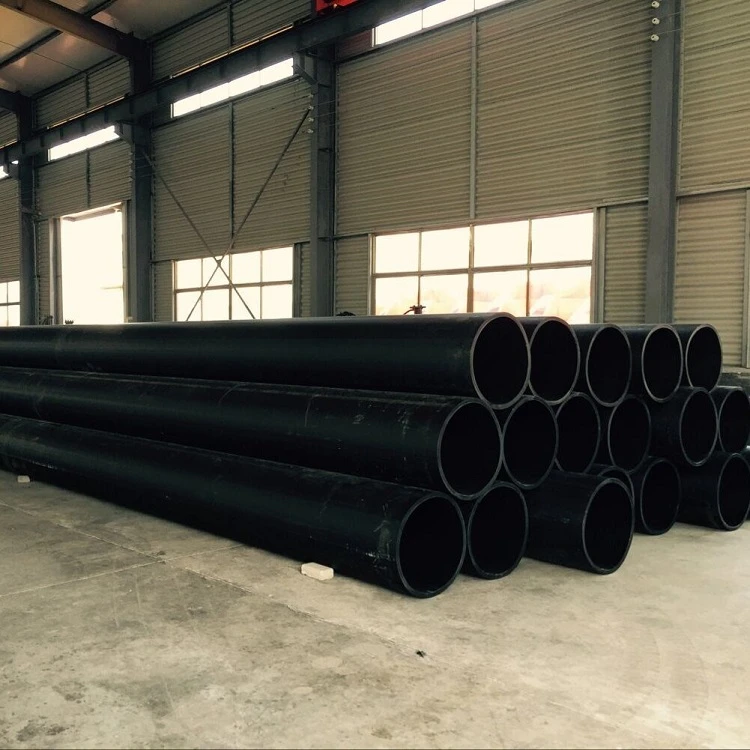

Pipe Extrusion
After getting the HDPE resin, it's time to turn it into straight pipes. This is done through the extrusion process. The HDPE resin is first heated until it becomes a molten state. Big extruders are used for this. These extruders have heaters that use a large amount of electricity to reach the high temperatures required to melt the HDPE. Once the resin is molten, it's forced through a die, which gives the pipe its shape. Cooling systems are then used to solidify the pipe quickly. The extrusion process can use up about 20 - 30% of the total energy, depending on the size and thickness of the pipes being produced.
Quality Control and Finishing
Once the pipes are extruded, they go through quality control checks. This involves things like measuring the dimensions, checking for any defects, and testing the strength of the pipes. Energy is used in the testing equipment, like machines that apply pressure to check the pipe's resistance. Also, some finishing touches might be added, like cutting the pipes to the right length or adding markings. This step generally accounts for around 10 - 20% of the total energy consumption.
Now, as a supplier, we're always looking for ways to reduce energy consumption. One way is by using more energy - efficient equipment. For example, we're investing in extruders that have better insulation, so less heat is lost during the melting process. We're also looking into using renewable energy sources. Some of our factories are starting to install solar panels on the roofs to generate a portion of the electricity needed for production.
We offer different types of HDPE straight pipes. If you're looking for a pipe that can resist UV rays, check out our UV Resistance HDPE Straight Pipe. These pipes are great for outdoor applications where they'll be exposed to sunlight. For dredging purposes, our Black Dredging HDPE Straight Pipe is a top - notch choice. It's strong and can handle the tough conditions of dredging operations. And if you need a pipe that can withstand a lot of wear and tear, take a look at our Wear - resistant Straight HDPE Pipe.
In conclusion, the energy consumption during the production of HDPE straight pipes is a multi - step and energy - intensive process. But we're committed to making it more sustainable and cost - effective. If you're in the market for high - quality HDPE straight pipes and want to learn more about our products and our energy - saving initiatives, don't hesitate to reach out. We're here to help you with your pipe needs and discuss any potential partnerships.
References
- "Energy Analysis of the Polyethylene Production Process", Journal of Polymer Science
- "Sustainable Manufacturing in the Plastic Pipe Industry", International Plastics Manufacturing Review