

Hey there! As a supplier of HDPE straight pipes, I often get asked about the friction coefficient of these pipes. So, I thought I'd write a blog post to shed some light on this topic.
First off, let's understand what the friction coefficient is. In simple terms, the friction coefficient is a measure of how much resistance there is between two surfaces when one surface slides or tries to slide over the other. For HDPE straight pipes, the friction coefficient plays a crucial role in determining how easily fluids (like water, chemicals, etc.) can flow through the pipes.
HDPE, or High - Density Polyethylene, is a thermoplastic polymer known for its high strength - to - density ratio. When it comes to the friction coefficient of HDPE straight pipes, it's generally quite low. This low friction coefficient is one of the many reasons why HDPE pipes are so popular in various industries.
The low friction coefficient of HDPE straight pipes offers several benefits. For starters, it reduces the energy required to pump fluids through the pipes. When the friction is low, less force is needed to move the fluid, which means lower energy consumption and cost savings in the long run. This is especially important in large - scale industrial applications where fluid transportation is a major part of the operation.
Another advantage is that the low friction helps in preventing the build - up of deposits inside the pipes. Since there's less resistance to the flow of the fluid, there's a lower chance of particles and debris sticking to the inner walls of the pipe. This keeps the pipes clean and reduces the need for frequent maintenance and cleaning.
Now, the actual value of the friction coefficient of HDPE straight pipes can vary depending on a few factors. One of the main factors is the roughness of the inner surface of the pipe. A smoother inner surface will have a lower friction coefficient. Most high - quality HDPE straight pipes are manufactured to have a very smooth inner surface, which contributes to their low friction characteristics.
The type of fluid flowing through the pipe also affects the friction coefficient. Different fluids have different viscosities, and more viscous fluids will generally experience more friction when flowing through the pipe. For example, a thick oil will have a higher friction coefficient when flowing through an HDPE pipe compared to water.
The flow velocity of the fluid is another factor. At higher flow velocities, the friction coefficient may change due to the turbulence created in the fluid. However, in most practical applications, the flow velocities are designed to keep the friction coefficient within an acceptable range.
When it comes to the specific values of the friction coefficient, it can typically range from about 0.009 to 0.012 for HDPE straight pipes under normal operating conditions. But again, this can vary depending on the factors I mentioned earlier.
If you're in the market for HDPE straight pipes, we offer a wide range of options. For instance, we have UV Resistance HDPE Straight Pipe. These pipes are great for outdoor applications where they'll be exposed to sunlight. The UV - resistant property ensures that the pipes won't degrade quickly due to sun exposure.
We also have Black Dredging HDPE Straight Pipe. These pipes are specifically designed for dredging operations, where they need to withstand the abrasion and wear caused by the movement of sediment and other materials.
And if you need pipes of different lengths, we've got you covered with our Differenct Length HDPE Straight Pipe. We can customize the length of the pipes according to your specific requirements.
In conclusion, the low friction coefficient of HDPE straight pipes is a significant advantage that makes them a top choice for many industries. Whether it's for reducing energy costs, preventing deposit build - up, or ensuring smooth fluid flow, HDPE pipes have got it all.
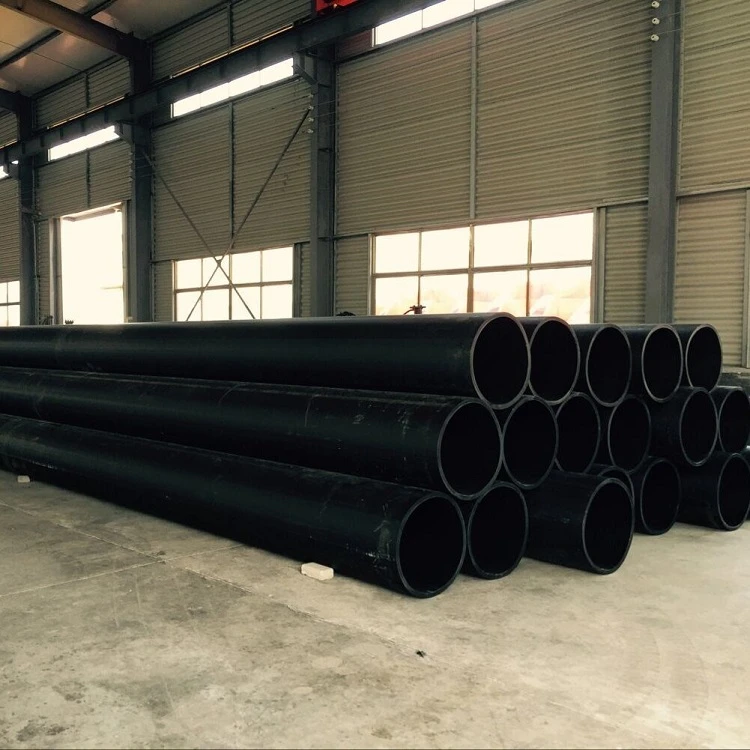

If you're interested in purchasing HDPE straight pipes for your project, don't hesitate to reach out. We're here to provide you with the best products and services. We can discuss your specific needs and offer you the most suitable solutions.
References
- "Fluid Mechanics" textbooks that cover the topic of pipe flow and friction coefficients.
- Industry reports on the properties and applications of HDPE pipes.