

As a supplier of HDPE straight pipes, I understand the critical importance of proper storage to maintain the quality and integrity of these products. HDPE (High-Density Polyethylene) straight pipes are widely used in various industries due to their excellent properties such as high strength, corrosion resistance, and flexibility. However, improper storage can lead to damage, degradation, and a decrease in the pipe's performance. In this blog, I will discuss the safety precautions that should be taken during the storage of HDPE straight pipes.

1. Storage Location Selection
- Dry Environment: HDPE pipes should be stored in a dry place. Moisture can cause the pipes to absorb water, which may lead to swelling and a reduction in the pipe's mechanical properties over time. A warehouse with a controlled humidity level is ideal. If outdoor storage is unavoidable, the pipes should be covered with waterproof tarps to protect them from rain and snow.
- Ventilation: Good ventilation is essential to prevent the accumulation of volatile organic compounds (VOCs) that may be released from the HDPE material. Proper ventilation helps to maintain a fresh air environment around the pipes, reducing the risk of chemical reactions and potential damage.
- Flat and Stable Surface: The storage surface should be flat and stable to prevent the pipes from warping or deforming. Uneven surfaces can cause stress concentration on the pipes, leading to cracks or other structural damages.
2. Protection from UV Radiation
HDPE pipes are sensitive to ultraviolet (UV) radiation. Prolonged exposure to sunlight can cause the pipes to degrade, resulting in a loss of strength and durability. To protect the pipes from UV radiation:
- Use UV-Resistant Covers: Cover the pipes with UV-resistant tarps or sheets. These covers are specifically designed to block UV rays and can significantly extend the lifespan of the pipes during storage.
- Store in Shaded Areas: If possible, store the pipes in shaded areas such as under a shed or inside a building. This reduces the direct exposure of the pipes to sunlight. You can also explore our UV Resistance HDPE Straight Pipe which is specially engineered to withstand UV radiation for longer periods.
3. Stacking and Handling
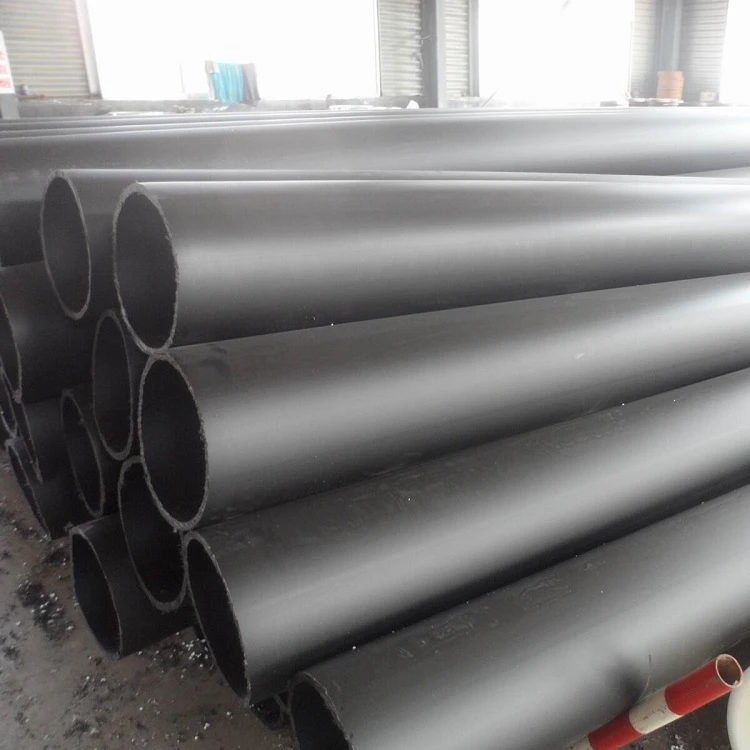
- Proper Stacking: When stacking HDPE straight pipes, it is important to stack them in a stable and organized manner. The pipes should be stacked horizontally with spacers between each layer to prevent scratching and damage. The height of the stack should be limited to avoid excessive pressure on the bottom pipes, which could cause deformation.
- Avoid Overloading: Do not overload the stacks. Each pipe has a specific load-bearing capacity, and overloading can lead to structural failure. Follow the manufacturer's guidelines for maximum stacking height and weight.
- Careful Handling: During handling, use appropriate equipment such as forklifts or cranes with soft attachments to avoid scratching or denting the pipes. Rough handling can cause surface damage, which may compromise the pipe's performance.
4. Protection from Chemicals
HDPE pipes can be affected by certain chemicals. To prevent chemical damage:
- Keep Away from Chemicals: Store the pipes away from chemicals such as solvents, acids, and alkalis. These chemicals can react with the HDPE material, causing it to dissolve, swell, or lose its mechanical properties.
- Clean Storage Area: Ensure that the storage area is clean and free from any chemical spills or residues. Regularly inspect the storage area for any signs of chemical contamination.
5. Temperature Control
- Avoid Extreme Temperatures: HDPE pipes should be stored within a reasonable temperature range. Extreme heat can cause the pipes to soften and deform, while extreme cold can make the pipes brittle and more prone to cracking. The ideal storage temperature for HDPE pipes is between -20°C and 40°C.
- Insulation in Cold Weather: In cold climates, consider insulating the storage area or covering the pipes with insulating materials to protect them from freezing temperatures.
6. Inspection and Monitoring
- Regular Inspections: Conduct regular inspections of the stored pipes to check for any signs of damage, such as cracks, scratches, or deformation. Early detection of problems allows for timely corrective actions to be taken.
- Monitoring of Environmental Conditions: Continuously monitor the temperature, humidity, and other environmental conditions in the storage area. Keep records of these conditions to ensure that they remain within the acceptable range.
7. Protection from Physical Impact
- Barriers and Guards: Install barriers or guards around the stored pipes to prevent accidental collisions with vehicles, equipment, or other objects. Physical impact can cause significant damage to the pipes, reducing their quality and performance.
- Safe Storage Layout: Arrange the storage area in a way that minimizes the risk of physical impact. Keep aisles clear and ensure that there is enough space for equipment to maneuver safely.
Conclusion
Proper storage of HDPE straight pipes is crucial to maintain their quality and performance. By following these safety precautions, you can ensure that the pipes remain in good condition until they are ready for use. As a reliable HDPE straight pipe supplier, we are committed to providing high-quality products and offering professional advice on storage and handling. If you are interested in purchasing our HDPE straight pipes or have any questions about their storage, please feel free to contact us for further discussion and procurement negotiations.
References
- ASTM International. (20XX). Standard specifications for HDPE pipes.
- Manufacturer's guidelines for HDPE pipe storage and handling.