

As a seasoned supplier of rotomoulded products, I've witnessed firsthand the incredible versatility and durability these items offer. One of the most crucial characteristics that often comes under scrutiny is their water - resistance. In this blog, we'll delve deep into what water - resistance means for rotomoulded products, how it's achieved, and why it matters in various applications.
Understanding Water - Resistance in Rotomoulded Products
Water - resistance refers to the ability of a material or product to prevent water from penetrating its structure. For rotomoulded products, this is a fundamental quality that determines their suitability for many environments. Unlike some other manufacturing processes, rotational moulding creates a seamless, one - piece structure. This seamless design eliminates joints and seams where water could potentially seep in, providing an inherent advantage in terms of water - resistance.

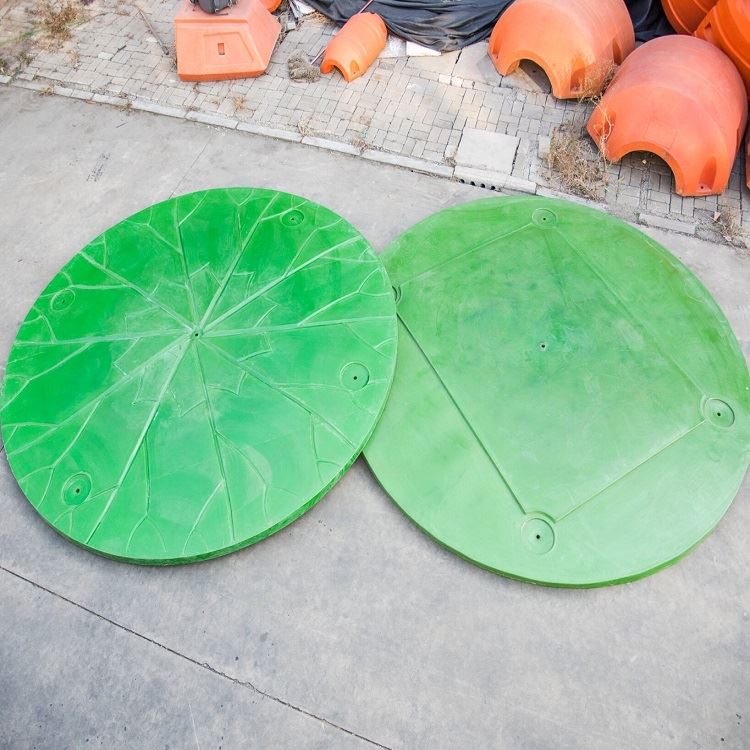
The raw materials used in rotomoulding also play a significant role. Most rotomoulded products are made from polyethylene, a thermoplastic polymer known for its excellent water - resistant properties. Polyethylene has a low water absorption rate, which means it can withstand exposure to water for extended periods without losing its structural integrity or performance.
How Water - Resistance is Achieved in Rotomoulding
The rotomoulding process itself contributes to the water - resistance of the final product. During rotational moulding, the plastic resin is placed in a heated mould that rotates on two axes. As the mould rotates, the resin melts and coats the inside of the mould evenly. This process creates a uniform wall thickness throughout the product, which is essential for maintaining water - resistance.
The heating and cooling cycles in rotomoulding are carefully controlled. The slow cooling process allows the plastic to solidify in a way that forms a dense, homogeneous structure. This dense structure acts as a barrier against water, preventing it from passing through the material.
In addition to the manufacturing process, post - production treatments can further enhance water - resistance. For example, some rotomoulded products may be coated with a waterproof sealant or finish. These coatings can provide an extra layer of protection, especially in harsh or wet environments.
Importance of Water - Resistance in Different Applications
Agricultural Applications
In the agricultural sector, rotomoulded products are widely used. Agricultural Chassis often need to withstand exposure to rain, irrigation water, and muddy conditions. Water - resistant agricultural chassis can prevent rust and corrosion, extending the lifespan of the equipment. They also ensure that the internal components are protected from water damage, which is crucial for the proper functioning of agricultural machinery.
Aquaculture Applications
Aquaculture is another area where water - resistance is of utmost importance. Aquaculture Leech Container must be completely water - tight to prevent the leeches from escaping and to maintain the correct water quality. Rotomoulded containers are ideal for this application because of their excellent water - resistance. They can also resist the corrosive effects of saltwater and chemicals used in aquaculture, ensuring long - term durability.
Floating Structures
Plastic Round Floats for Special Use are commonly used in marine and aquaculture applications. These floats need to remain buoyant and stable in water. Water - resistant floats prevent water from entering the structure, which could cause them to sink or lose their functionality. The water - resistance of rotomoulded floats also protects them from the damaging effects of UV rays and saltwater, ensuring they can be used for extended periods in harsh marine environments.
Testing the Water - Resistance of Rotomoulded Products
To ensure the water - resistance of rotomoulded products, various testing methods are employed. One common method is the immersion test, where the product is submerged in water for a specified period. The product is then inspected for any signs of water penetration, such as leaks or moisture inside the structure.
Another test is the water spray test, which simulates heavy rain or high - pressure water exposure. The product is sprayed with water at a certain pressure and angle for a set amount of time. After the test, the product is checked for water damage or penetration.
In addition to these physical tests, manufacturers may also use non - destructive testing methods, such as ultrasonic testing, to detect any internal defects or weaknesses that could affect water - resistance.
Factors Affecting Water - Resistance
While rotomoulded products generally have good water - resistance, several factors can affect this property. The quality of the raw materials is a significant factor. Lower - quality plastic resins may have a higher water absorption rate or be more prone to cracking, which can compromise water - resistance.
The design of the product also plays a role. Complex shapes or designs with thin walls may be more susceptible to water penetration. Additionally, any holes, vents, or openings in the product need to be properly sealed to maintain water - resistance.
Environmental factors can also impact water - resistance over time. Exposure to extreme temperatures, UV radiation, and chemicals can degrade the plastic and reduce its water - resistant properties. Regular maintenance and proper storage can help mitigate these effects.
Conclusion
Water - resistance is a vital characteristic of rotomoulded products. It is achieved through a combination of the rotomoulding process, the choice of raw materials, and post - production treatments. The water - resistance of rotomoulded products makes them suitable for a wide range of applications, from agriculture to aquaculture and marine industries.
As a supplier of rotomoulded products, we are committed to providing high - quality items with excellent water - resistance. Our products undergo rigorous testing to ensure they meet the highest standards of performance and durability.
If you're in the market for rotomoulded products and are looking for reliable water - resistant solutions, we'd love to have a discussion with you. Whether you need products for agricultural, aquaculture, or other applications, we can provide you with customized solutions that meet your specific requirements. Contact us to start a procurement discussion and find out how our rotomoulded products can benefit your business.
References
- "Rotational Moulding Technology" by C. Crawford.
- "Plastics in Agriculture: Properties and Applications" by R. K. Srivastava.
- "Aquaculture Engineering" by L. D. Losordo and H. S. Westers.