

Chemical resistance is a crucial property when it comes to dredging cable floats. As a supplier of dredging cable floats, I understand the significance of this characteristic in ensuring the longevity and performance of these essential components in various dredging operations.
Understanding Dredging Cable Floats
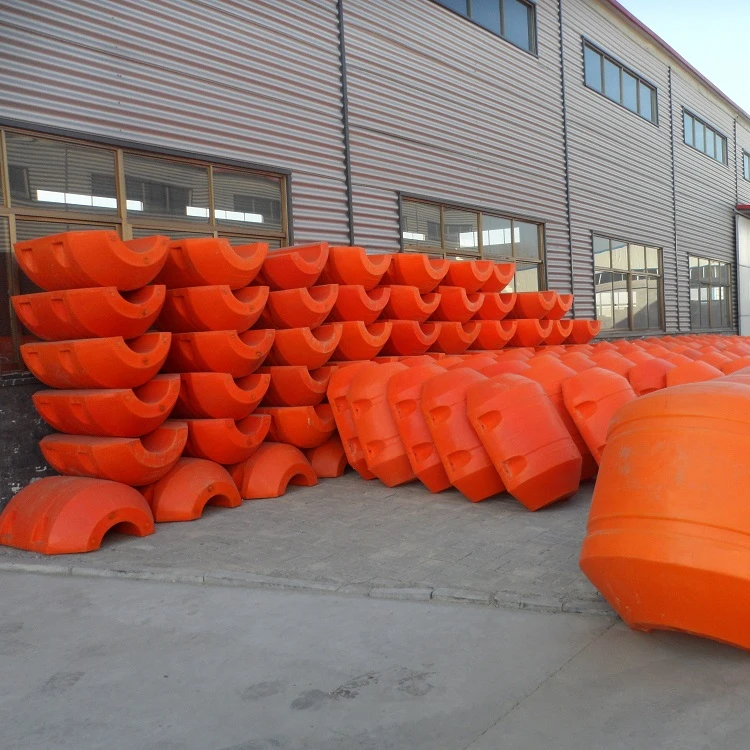
Dredging cable floats are designed to support and protect cables used in dredging activities. These floats are typically made from materials that can withstand the harsh conditions of marine and industrial environments. They are used to keep the cables afloat, preventing them from sinking to the bottom and getting damaged by the dredging equipment or the seabed.
Importance of Chemical Resistance
In dredging operations, cables and their associated floats are often exposed to a wide range of chemicals. These chemicals can come from the dredged materials, such as mud, sand, and sediment that may contain various pollutants and contaminants. Additionally, the use of cleaning agents, lubricants, and other chemicals in the dredging equipment can also pose a threat to the integrity of the floats.
Chemical resistance is important for several reasons. Firstly, it helps to prevent the degradation of the float material. When a float is exposed to chemicals, it can cause the material to swell, crack, or lose its mechanical properties. This can lead to a reduction in buoyancy and an increased risk of the cable sinking. Secondly, chemical resistance ensures the safety of the dredging operation. If a float fails due to chemical attack, it can result in the cable being damaged, which can disrupt the dredging process and potentially cause safety hazards.

Factors Affecting Chemical Resistance
Several factors can affect the chemical resistance of dredging cable floats. The type of material used in the float is one of the most important factors. Different materials have different levels of resistance to various chemicals. For example, some plastics are more resistant to acids and alkalis, while others are more resistant to organic solvents.
The concentration and duration of exposure to the chemicals also play a role. Higher concentrations of chemicals and longer exposure times are more likely to cause damage to the float material. Additionally, the temperature and pH of the environment can also affect the chemical resistance of the floats.
Materials with Good Chemical Resistance
There are several materials that are commonly used in the manufacturing of dredging cable floats due to their good chemical resistance.
Polyurethane (PU)
Polyurethane is a popular choice for dredging cable floats. It has excellent resistance to abrasion, impact, and a wide range of chemicals. PU floats can withstand exposure to oils, greases, and many common industrial chemicals. They are also known for their high buoyancy and long service life.
High - Density Polyethylene (HDPE)
HDPE is another material with good chemical resistance. It is resistant to many acids, alkalis, and organic solvents. HDPE floats are lightweight, durable, and have a low water absorption rate, which makes them suitable for use in wet environments.
Rubber
Rubber floats can also offer good chemical resistance, especially to certain types of chemicals. Natural rubber and synthetic rubbers like neoprene can resist some oils, acids, and alkalis. However, their chemical resistance may be limited compared to plastics in some cases.
Testing Chemical Resistance
To ensure the chemical resistance of dredging cable floats, manufacturers often conduct various tests. These tests involve exposing the float samples to different chemicals under controlled conditions. The samples are then evaluated for changes in their physical and mechanical properties, such as weight, dimensions, hardness, and tensile strength.
One common test method is the immersion test. In this test, the float samples are immersed in a chemical solution for a specified period of time. After the immersion, the samples are removed, dried, and examined for any signs of damage.
Applications and Chemical Exposure in Dredging
Dredging operations can take place in different environments, each with its own set of chemical exposure risks.
Marine Dredging
In marine dredging, the floats are exposed to seawater, which contains salts, minerals, and various marine organisms. Seawater is a corrosive medium, and the floats need to be resistant to the effects of saltwater corrosion. Additionally, the dredged materials from the seabed may contain heavy metals, oil, and other pollutants, which can also pose a chemical threat to the floats. Marine Dredging Pipe Floater
Mining Tailings Dredging
When dredging mining tailings, the floats are exposed to chemicals used in the mining process, such as cyanide, sulfuric acid, and other reagents. These chemicals can be highly corrosive and toxic, and the floats need to have excellent chemical resistance to withstand the exposure. Pipe Float For Mining Tailings
Dredging in Industrial Areas
In industrial areas, the dredging operations may be affected by industrial waste and pollutants. The floats can be exposed to a variety of chemicals, including solvents, acids, and alkalis, depending on the nature of the industrial activities in the area. Dredging Hose Float
Maintaining Chemical Resistance
To maintain the chemical resistance of dredging cable floats, proper maintenance and handling are essential. After each use, the floats should be cleaned thoroughly to remove any chemical residues. It is important to use cleaning agents that are compatible with the float material to avoid causing damage.
The floats should also be stored in a clean and dry environment when not in use. Exposure to extreme temperatures, sunlight, and humidity can also affect the chemical resistance of the floats over time.
Conclusion
The chemical resistance of dredging cable floats is a critical factor in ensuring the success and safety of dredging operations. By choosing the right materials, conducting proper testing, and following appropriate maintenance procedures, the floats can withstand the harsh chemical environments they are exposed to.
If you are involved in dredging operations and are looking for high - quality dredging cable floats with excellent chemical resistance, I encourage you to contact us. We are a leading supplier of dredging cable floats, and we can provide you with the products that meet your specific requirements. Our team of experts can also offer you professional advice on the selection and use of these floats.
References
- ASTM International. (Year). Standard test methods for evaluating the chemical resistance of plastics.
- Polymer Handbook. (Year). A comprehensive guide to polymer properties and applications.