

Hey there! As a supplier of HDPE straight pipes, I often get asked about the electrical insulation performance of these pipes. So, I thought I'd write this blog to share some insights on the topic.
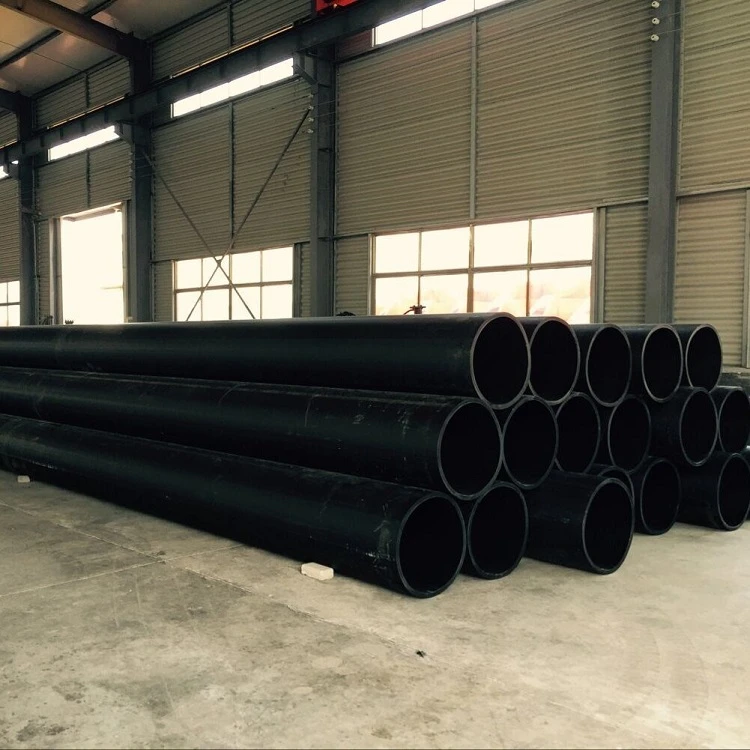
First off, let's understand what HDPE is. HDPE stands for High - Density Polyethylene. It's a type of thermoplastic polymer made from petroleum. HDPE straight pipes are known for their durability, flexibility, and chemical resistance. But what about their electrical insulation performance?
The Basics of Electrical Insulation
Electrical insulation is all about preventing the flow of electric current. Good insulators have high resistivity, which means they don't allow electrons to move freely through them. When it comes to HDPE straight pipes, they are excellent electrical insulators.
HDPE has a very high resistivity. Resistivity is a measure of how strongly a material opposes the flow of electric current. The resistivity of HDPE is in the order of (10^{13}) to (10^{16}) ohm - meters. This high resistivity makes it extremely difficult for electric current to pass through the HDPE straight pipe.
Why is Electrical Insulation Important for HDPE Straight Pipes?
There are several reasons why the electrical insulation performance of HDPE straight pipes is crucial.
1. Safety
In many applications, safety is the top priority. For example, in underground utility installations, HDPE straight pipes are often used to protect electrical cables. The high - quality electrical insulation of these pipes prevents electrical leakage, which could otherwise lead to short - circuits, fires, or electric shocks. If the pipes were not good insulators, the risk of electrical accidents would be significantly higher.
2. Corrosion Prevention
Electrical currents can cause corrosion in pipes. When a pipe is exposed to an electric current, it can accelerate the oxidation process, leading to rust and degradation. Since HDPE straight pipes are good electrical insulators, they prevent the flow of electric current through the pipe wall. This helps in reducing the risk of corrosion and extends the lifespan of the pipes.
3. Signal Integrity
In some cases, HDPE straight pipes are used to house communication cables. Electrical interference can disrupt the signals transmitted through these cables. The electrical insulation of HDPE pipes helps to shield the cables from external electrical noise, ensuring that the signals remain clear and intact.

Factors Affecting the Electrical Insulation Performance of HDPE Straight Pipes
While HDPE is inherently a good electrical insulator, there are some factors that can affect its insulation performance.
1. Temperature
Temperature can have an impact on the electrical resistivity of HDPE. As the temperature increases, the resistivity of HDPE decreases. This means that at higher temperatures, the pipe becomes a slightly better conductor of electricity. However, even at elevated temperatures, HDPE still maintains a relatively high resistivity and remains a good insulator.
2. Contamination
Contamination can also affect the electrical insulation performance of HDPE straight pipes. If the pipes come into contact with conductive materials such as water with dissolved salts or metallic particles, the insulation properties can be compromised. These contaminants can create conductive paths within the pipe, allowing electric current to flow.
3. Manufacturing Quality
The quality of the manufacturing process plays a significant role in determining the electrical insulation performance of HDPE straight pipes. Poorly manufactured pipes may have defects such as voids or inclusions, which can reduce the overall insulation quality. High - quality manufacturing processes ensure that the pipes have a uniform structure and consistent insulation properties.
Applications Benefiting from the Electrical Insulation of HDPE Straight Pipes
HDPE straight pipes with excellent electrical insulation are used in a wide range of applications.
1. Electrical Cable Conduits
As mentioned earlier, HDPE straight pipes are commonly used as electrical cable conduits. They provide a safe and reliable way to protect electrical cables from physical damage and electrical interference. You can find these pipes in buildings, industrial facilities, and underground utility networks. Check out our Black Dredging HDPE Straight Pipe which is suitable for such applications.
2. Telecommunication Networks
In the telecommunication industry, HDPE straight pipes are used to protect fiber - optic and copper cables. The electrical insulation of these pipes helps to maintain the integrity of the signals transmitted through the cables. Our Differenct Length HDPE Straight Pipe can be customized to meet the specific requirements of telecommunication installations.
3. Dredging Operations
In dredging operations, HDPE straight pipes are used to transport materials. The electrical insulation of these pipes is important to prevent any electrical interference with the equipment used in the dredging process. Our Dredging HDPE Pipe without Flange offers excellent insulation and is designed for efficient dredging applications.
Testing the Electrical Insulation Performance of HDPE Straight Pipes
To ensure that the HDPE straight pipes meet the required electrical insulation standards, various testing methods are used.
1. Insulation Resistance Testing
Insulation resistance testing is a common method used to measure the electrical insulation performance of HDPE straight pipes. This test involves applying a voltage across the pipe and measuring the resulting current. The insulation resistance is then calculated using Ohm's law ((R = V/I)). A high insulation resistance value indicates good insulation performance.
2. Dielectric Strength Testing
Dielectric strength testing is another important test. This test measures the maximum voltage that the HDPE pipe can withstand without breaking down. A higher dielectric strength means that the pipe can better resist electrical breakdown and maintain its insulation properties under high - voltage conditions.
Conclusion
In conclusion, the electrical insulation performance of HDPE straight pipes is one of their key advantages. Their high resistivity, along with other benefits such as safety, corrosion prevention, and signal integrity, makes them a popular choice in many industries. However, it's important to be aware of the factors that can affect the insulation performance and to ensure proper testing and quality control during the manufacturing process.
If you're in the market for high - quality HDPE straight pipes with excellent electrical insulation, we're here to help. Whether you need pipes for electrical cable conduits, telecommunication networks, or dredging operations, we can provide you with the right solution. Don't hesitate to reach out for a detailed discussion on your specific requirements and to start the procurement process.
References
- ASTM standards related to HDPE pipes
- Technical literature on polymer materials and their electrical properties
- Industry reports on the use of HDPE pipes in different applications